


Most people who sell to new buyers take the same boring and ineffective approach.
You will have received the same emails as I did. You know that …
Hello James
We are an excellent company that provides excellent services and we would like to speak with you to discuss how we can provide these services to you.
They then (or at least their automated system) follow up on this bunch of nonsense with the following:

Hello James,
I’ll just move this to your inbox since it’s been a week since I emailed you and I haven’t received a response. Can we arrange an appointment to talk?
Sometimes I look at these emails and think, “What planet do these people live on?”
And yet, unfortunately, it is happening more often than ever before. AI and automated systems have a lot to answer for.
If you’re reading this and thinking, “What’s wrong with this email?” then let’s talk!
There are so many things wrong with this approach. This email would be 10 pages long if I explained what I really think about this method of prospecting. My Email from last week and that Last week Both explain how to use email for prospecting.
Email plays an important role in reaching new buyers, but the key is to not just use it as a strategy.
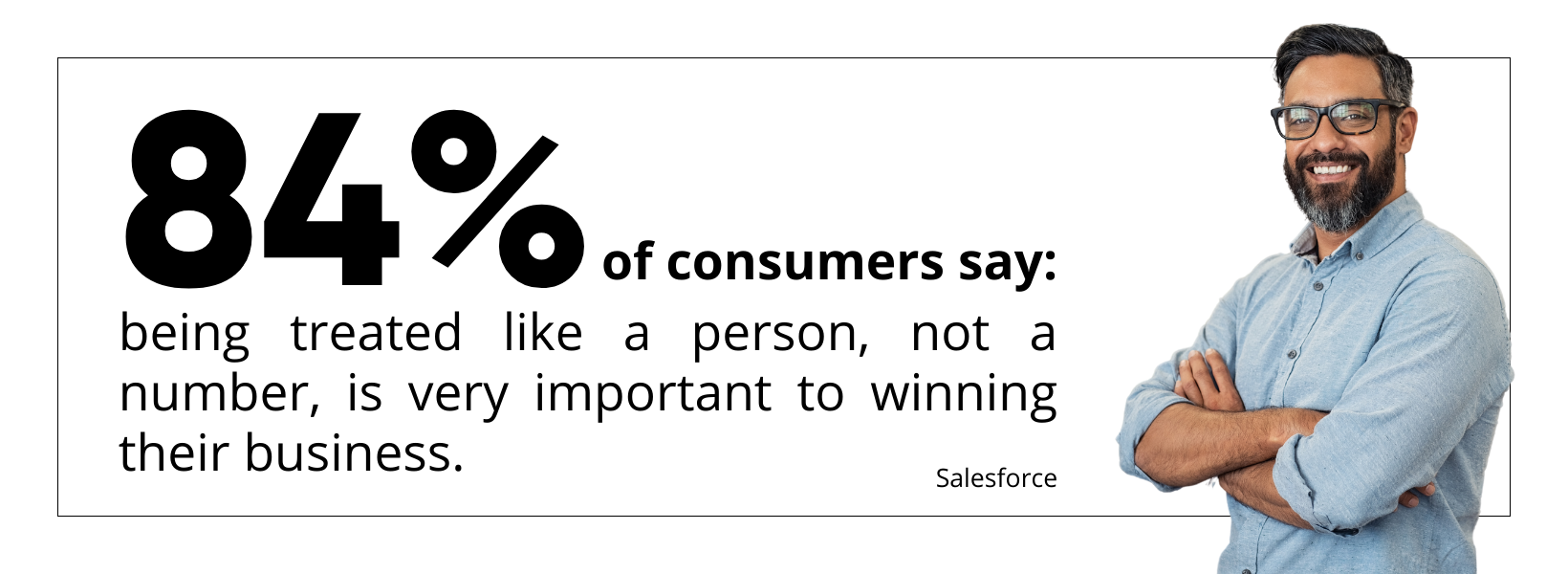
Engaging with someone new is difficult at the best of times, but the reason it often fails is because the approach is generic. Accenture recently surveyed over 3,000 companies and the statistics shown below say it all.

Other studies also show that people want to be treated like a real person, not just another number (which is what the emails I share above do so poorly!).
So what can you do to be different and what new technology can you use to complement the emails you send?
The answer is to use video for acquisition. But use it in a very personal way.
Let me explain.
I have shared this in the past Albert Mehrabian 7, 38, 55 rule It discusses how communication success comes more from the way you say things than just the words you say.
But how can you show your tone when you can’t reach potential prospects?
How can you show them that you are interested in them if they don’t respond to emails or calls?
They do it via video.
Through short, personalized, focused videos no longer than 2 minutes that talk about the other person’s challenges.
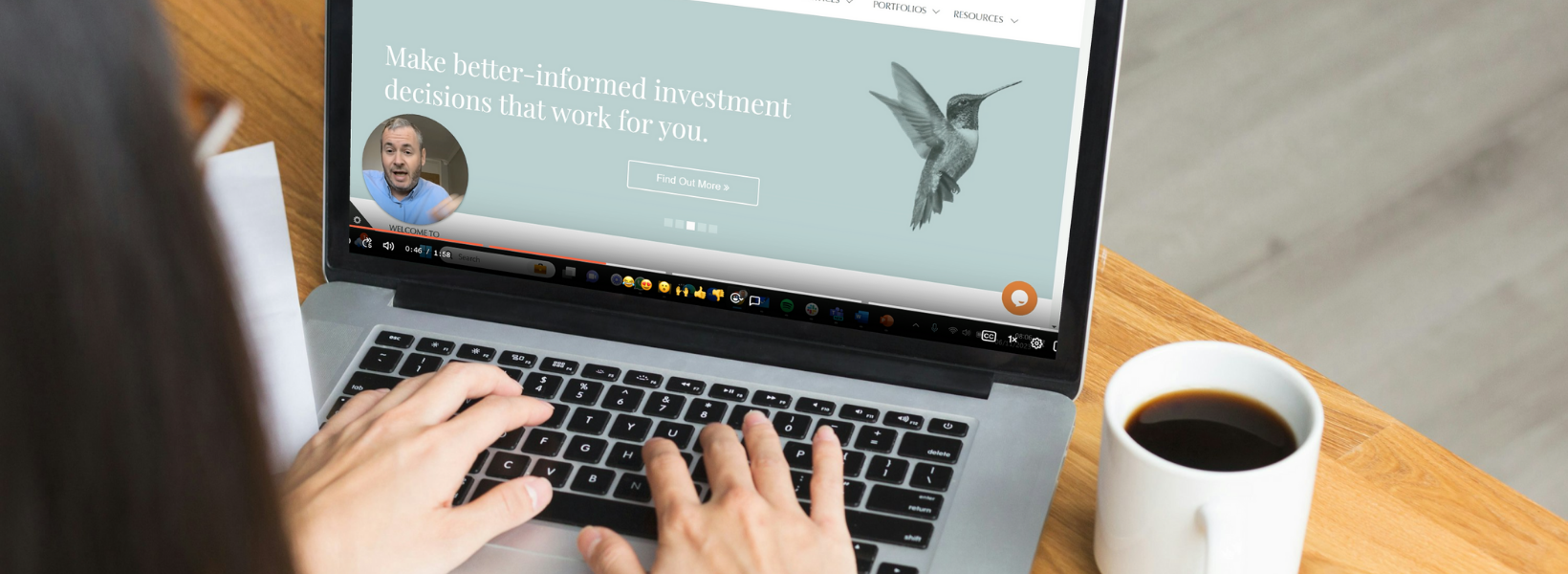
Short videos that you can use as a unique way to engage the audience and grab their attention can be sent via email or social media with “hook-based headlines” that make the other person curious and want to watch , to look.
How does it look?
Here is a Example of what a video like this looks like. So as a seller I would try to sell something to myself.
Why do they work?
There’s no guarantee, but when combined with emails and other forms of interaction with prospects, you offer something different to a buyer. Something better than the boring emails I shared in the beginning. Of course, if you create the video correctly.
The key is to be personal. To show that person that you have read about them, seen details about their activities, or viewed their website or profile. It shows that you wanted to focus on them instead of being just another salesperson sending a boring (or automated) standard email.
Why video is different.
The difference is that most sellers don’t seem to do this, which means you’ll stand out. It also allows the prospect to see and hear you and understand the enthusiasm with which you support them. This goes a long way in building trust and awareness of what you can do to help the buyer. It also allows you to mention and address possible objections right from the start. For example: “I know you will work with other suppliers, but…”
What’s unique about it?
Studies show that people remember 20% of what they hear and 30% of what they see, but they remember 70% of what they see and hear. While creating short videos takes time and is labor intensive, it shows the buyer that you are interested in them and that (if your message is on point) you can build an affinity with them.
How often should you send a video and how many should you send?
Depends on how much value you place on the prospect and how much you want to work with them. If it’s a perfect-fit prospect who you know you can solve a problem with, I would use video every few weeks alongside other prospecting methods. However, I would make sure that every video is different and you may be sitting in a different location to record it.
The reality is that no buyer is going to say, “Okay, yeah, let’s set up a meeting” after a few tries, but over time, if you’re persistent and show value, potential buyers are more likely to commit. Or tell you to leave her alone. Let’s hope it’s the former!
What tools are required for deployment?
There are some really simple tools like Loom, VidYard, or BombBombe that can help you send prospecting videos. I use Loom but all are good but I like to use a tool that shows if someone has watched the video.




So there you have it, a way to be different. As with any form of customer acquisition, the following applies here: if you approach it the wrong way, it will fail. But do it right and you’ll stand out and get buyers to at least consider you.
Combine this with emails (last week’s blog), good social engagement and effective calls and you have the method to win new business.
PS — I released my new video this morning — How to Contact Prospects — It’s worth a look and might help you make sure you get the results you want from buyer conversations. Let me know what you think about it.

