

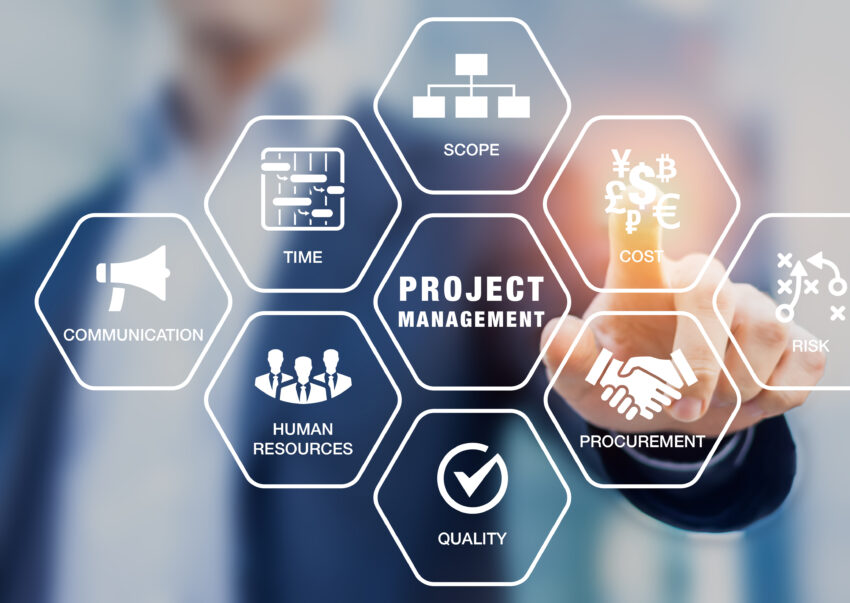
Project management is an essential skill to be successful in various fields. Whether you’re managing a small team or a large project, understanding the basic principles of project management can have a significant impact on the outcome.
Before diving into specific strategies and tools, it’s important to understand the basics of project management.
At its core, project management is about applying knowledge, skills, tools and techniques to project activities to meet project requirements. Effective project management ensures that projects are completed on time, within budget and to the desired quality standards.
Read on to discover the strategies and tools that will improve your project management skills and lead to success.
Use of project management tools
Managing projects effectively requires the right tools to stay organized and track progress. Using project management tools can streamline your workflow and increase the efficiency of your project.
Here are some tools you should consider:
- Ready-made tools: Use ready-made tools such as: Gantt chart Excel template and other visual project management tools to visualize project timelines and task dependencies. These templates help you track milestones and deadlines and provide a clear overview of your project’s progress.
- Project management software: Tools like Asana, Trello, and Microsoft Project offer comprehensive task management, scheduling, and team collaboration features. These platforms make it easy to track individual tasks, manage deadlines, and coordinate team work all in one place.
- Resource management tools: Effective resource management tools help you allocate and monitor resources efficiently. They ensure that staff, equipment and finances are used optimally, reducing waste and improving overall project performance.
Using these tools in your project management strategy can improve your ability to plan, execute, and monitor project activities.
Basic strategies for effective project management
To ensure project success, it is important to adopt strategies that will guide your project from inception to completion.
However, the following strategies are critical to achieving successful project outcomes:
- Set clear goals: Start by defining the specific goals and outcomes you want your project to achieve. Clear goals provide the direction for all project activities and decision-making processes. They help team members understand their roles and the purpose of the project, ensuring everyone is working toward a common goal.
- Develop a comprehensive plan: Create a detailed project plan that outlines tasks, schedules, resources and dependencies. A well-structured plan serves as a roadmap and helps you identify necessary actions and allocate resources appropriately. It also helps anticipate potential challenges and set realistic deadlines.
- Allocate resources sensibly: Efficiently manage your project’s resources, including staff, equipment and finances. Ensure that each resource is assigned to tasks where it is most needed and can be used effectively. Proper resource allocation helps avoid bottlenecks and ensures the project stays on track.
- Monitor progress regularly: Continuously track project progress compared to the original plan. Through regular monitoring, you can identify any deviations or problems early on, making it easier to make necessary adjustments. This proactive approach helps keep the project on schedule and address issues before they escalate.
Effective project management requires a mix of strategic planning and flexible adaptation. By setting clear goals and continually monitoring progress, project managers can proactively address problems.
Dealing with risks and problems
Risk management is a crucial aspect of project management. Identifying and addressing potential risks before they impact the project can save time and resources.
To effectively manage risks and issues, consider the following strategies:
- Identify potential risks: First, conduct a thorough risk assessment to identify potential challenges. Internal and external factors that could influence project progress are analyzed. Early detection helps prepare for possible disruptions.
- Develop remedial strategies: For each identified risk, create a detailed plan to minimize its impact. This may include developing contingency plans or adjusting project strategies to address risk before it impacts project objectives.
- Continuously monitor risks: Review and update your risk management plan regularly throughout the project lifecycle. This ensures that new risks are identified promptly and existing risks are managed effectively over the course of the project.
Managing risks proactively ensures that potential problems are addressed before they disrupt the project. Implementing these strategies will help keep the project on track and support its overall success.
Communication and stakeholder management
Effective communication and stakeholder management are crucial for project success. Proper communication ensures that all team members and stakeholders are aligned and informed, contributing to a productive workplace.
When managing communications and stakeholders, consider the following:
- Create a communication plan: Describe how information will be shared throughout the project. Establish meeting schedules, reporting formats, and communication channels to ensure everyone stays informed and involved. This plan helps to optimize communication and avoid misunderstandings.
- Involve stakeholders regularly: Maintain regular contact with stakeholders to keep them updated on project progress, issues and changes. Regular engagement builds trust and ensures stakeholder expectations are met. It also helps gain their support throughout the project.
- Address concerns promptly: Respond to stakeholder feedback and concerns as they arise. Resolving problems in a timely manner helps maintain positive relationships and ensures potential disruptions are managed effectively.
Ensuring everyone is well informed and concerns are addressed quickly can help keep the project on track and foster a collaborative environment.
Final thoughts
Mastering project management is critical to achieving successful results in any endeavor. By using the right tools and adopting strategic practices, you can optimize processes, address risks, and promote clear communication. This approach increases project efficiency and ensures goals are achieved precisely. Use these principles and tools to improve your project management skills, pave the way for lasting success, and confidently achieve your project’s goals.

