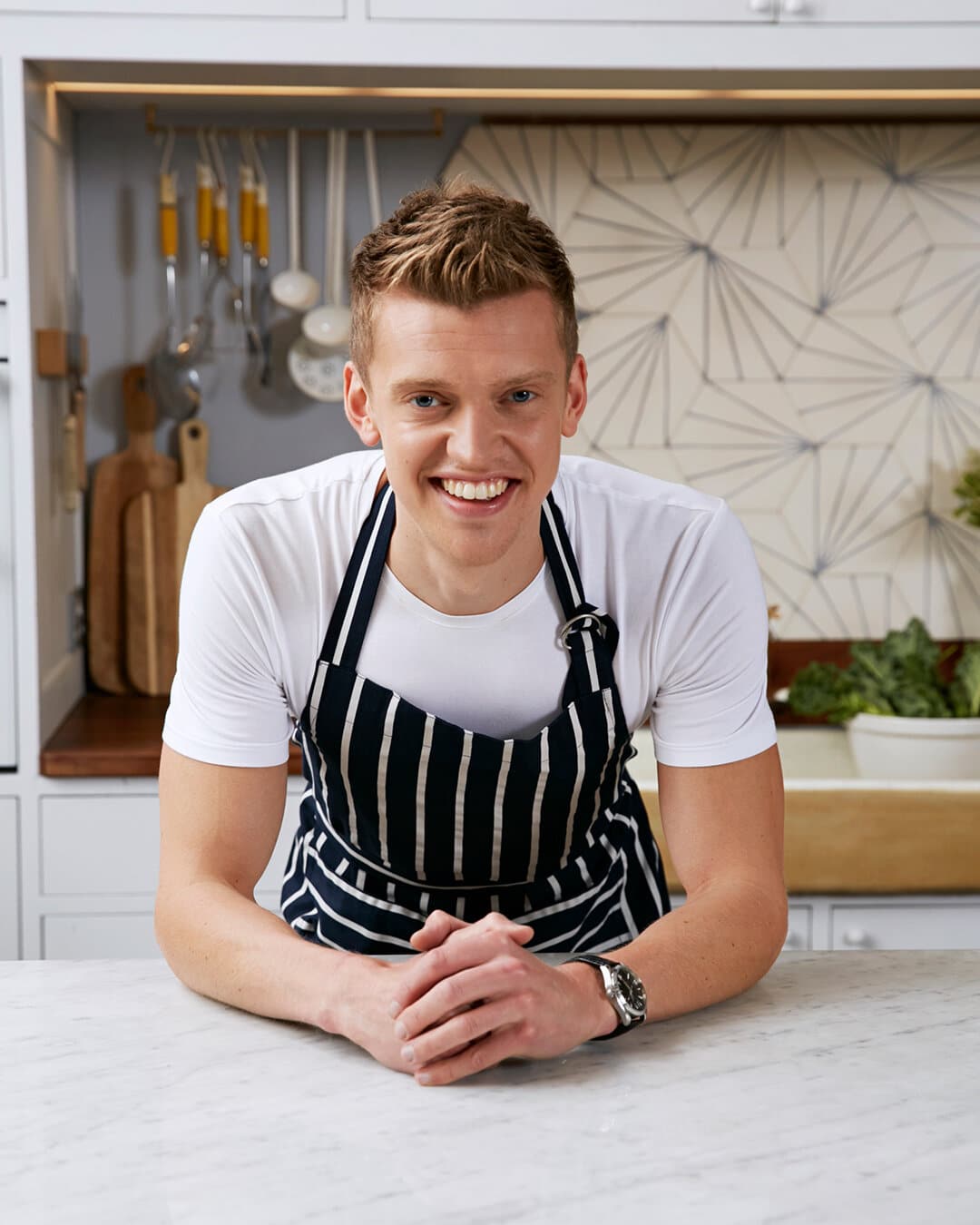
What do you think sparked the entrepreneurial spirit and passion for cooking in you? What were you looking for? Was it money?
It’s difficult to say exactly what that is. In a way I guess I was, but it was also about the feeling of fulfillment that comes from putting in the effort and seeing the reward at the end. This aspect has always fascinated me, to go my own way. Even in school, I always felt drawn to doing things my own way, even though my parents weren’t entrepreneurs. My mother dedicated 40 years to nursing in the NHS and my father served in the military before moving into insurance. They worked incredibly hard and I have a lot of respect for them. It only strengthened my desire to forge my own path, which may seem surprising given my family background.
You mentioned creativity. Maybe it’s simply because, compared to my talent for enjoying hot cross buns, I have trouble imagining something far outside my expertise. But where does your creativity come from in an industry that some would describe as oversaturated? I mean, inventing a new animal, inventing a new vegetable — how do you consistently come up with these innovative ideas that make people say, “Wow, Chris approached this in such a unique way”?
You know, I believe you can’t go wrong with the classics. Sure, there are countless recipes for certain dishes, but a lot of inspiration comes from traveling. I’m lucky enough to now live in London, a city full of diverse cultures and access to ingredients from all over the world. Traveling has played an important role for me and I have learned from other cultures how they make the best use of ingredients. Taking these ideas home and putting my own spin on the things I love is probably where my creativity comes from.
When it comes to presentation, it depends on what goes on the plate. Which cheese do you choose to top it off? Execution is key – ideas are plentiful, but putting them into action is crucial. Especially now that a significant part of my job involves creating recipes for people at home, I find great satisfaction in giving others confidence in the kitchen.
It’s not just about a recipe; It’s about creating the feeling: “I can do this!” through my approach. Execution plays a crucial role. However, the origin of the ingredients is also crucial. A dish made in the Lake District using locally sourced ingredients can taste very different to the same dish from the south due to the unique flavor profiles created by local variations.
How have you grown your social media audience?
So it all started with posting recipes regularly, starting with simple pictures before there were videos. These were all my own recipes, I simply cooked dinner at home years ago, took a photo, wrote down the recipe and gradually built a community.
I think the key to success was building that community and engaging it so people wanted to join. A key milestone was a major partnership with Marks and Spencer, which really boosted my profile. This is one of the achievements I am most proud of and has garnered me considerable recognition, including television appearances and cardboard cutout collaborations, all of which have contributed significantly to my social media presence.
Persistence and staying true to your message have been crucial to maintaining and growing my fan base.
Was networking a conscious effort for you or is it more of a coincidence?
As a northerner, I’m used to chatting with everyone. When I left the restaurant industry to pursue my media career in London, I was starting from scratch. I actively networked over a period of about a year and a half by attending events, using social media and making contacts. This led to collaborations such as my work with Marks and Spencer and projects with the BBC such as setting up a cooking club on Blue Peter.
Networking was crucial to my success. I believe in being kind, working hard and being genuine with people. This approach has helped not only in business, but also in building personal friendships in a busy city where it’s easy to feel alone despite the crowds.
This morning I received a booking for a BBC show — a reminder that genuine connections and kindness can pay off in unexpected ways over time.
I believe another important aspect of success is avoiding unnecessary complexity. Although I haven’t read your book yet, based on the title “Easy” I imagine it focuses on simplicity and creating easy-to-produce content.
There were a lot of discussions with publishers about the book title – what the catch or catch would be. But for me it’s simple: it’s about simplicity. I asked my social media followers what they liked most about my recipes and the overwhelming answer was “simple, simple, simple.”
This book reflects my passion for cooking and my mission to increase confidence in the kitchen and remove barriers to enjoying food. I wrote it in everyday language to make cooking accessible to everyone, whether an experienced cook or a beginner. The ingredients are all suitable for the supermarket, but go just as well with products from the farmers market. It’s about making cooking easy and enjoyable for everyone, regardless of experience.
Why is the excuse that healthy eating at home is too expensive and complicated not valid? Also, can you share 4 or 5 top tips for someone who is out of shape and reliant on takeaways because they believe eating healthy is too difficult and costly? How can you switch to a healthier diet quickly and easily?
In my opinion, a key way to cut costs is to avoid buying expensive, low-quality snacks between meals, regardless of what you eat as your main course. Moderation is key, but some people have a habit of overindulging in things like candy bars and other junk. If you simply refrain from purchasing these items, they will not tempt you. Instead, focus on buying fewer of these unhealthy snacks. As for cooking tips, opting for fresh ingredients can make a big difference. For example, try asparagus with a poached egg seasoned with salt and pepper. It’s probably more economical than spending £12 on takeaway.
I was wondering what budget would be appropriate for preparing breakfast, lunch and dinner when cooking at home with fresh ingredients? I am currently facing financial challenges as I have a minimal income, struggling with living expenses and supporting my family of four. I want to make something delicious that we can all enjoy, but money is extremely tight.
How can I prepare nutritious and tasty meals for my family of four on a tight budget and focus on cooking with fresh ingredients despite financial challenges?
How about Chana Masala, a chickpea curry? This is something I really like about takeout. You can get a can of chickpeas for around 50 to 70 pence. Simply fry a few onions until soft, add some ginger, garlic and spice powder, which cost around £1 a jar and will keep for months.
Cook everything down with chickpeas, fresh tomatoes and tomato puree and then simmer for 20 minutes. Squeeze in some lemon juice and you’ve got a meal that costs around £3 to feed four people. Serve with rice – Chickpeas are full of fiber and protein, making it an easy and nutritious dish.
To save even more, consider using beans and legumes instead of chicken as a source of protein. I noticed today that quality chicken drumsticks cost £1.50 a pack while chicken breasts cost £4. Being open to ingredient substitutions like this can really help cut costs while enjoying delicious meals.
It really matters where you buy the ingredients. For example, a few years ago we had to live on someone else’s budget for a week on a TV show — just £67. When we bought groceries at a local store instead of planning ahead, we unnecessarily spent half the budget. It highlights the importance of smart shopping. Have you ever noticed a significant price difference for the same ingredients depending on where you shop?
Yes, that’s a great point. Smart shopping is crucial regardless of budget fluctuations. Effective meal planning is crucial because wasting food essentially means throwing away money. I often advise people to think of discarded ingredients like throwing money in the trash can — whether it’s half a pack of herbs or leftover chicken, it adds up.
Meal planning may sound simple, but it is fundamental. Knowing what you eat from Monday to Sunday and using the same ingredients for multiple meals can save you a lot. My book covers this in detail, with a focus on successful planning in the kitchen.
Understanding how much food ends up wasted is eye-opening. It’s about recognizing that you don’t need a full fridge every day and being resourceful with what you have. With a little confidence, you can make meals using existing ingredients without having to buy more.
Going back to your previous point about health and nutrition, it is alarming that many overweight people are actually malnourished. This contradiction underscores the importance of where our food resources go and how they are used.