

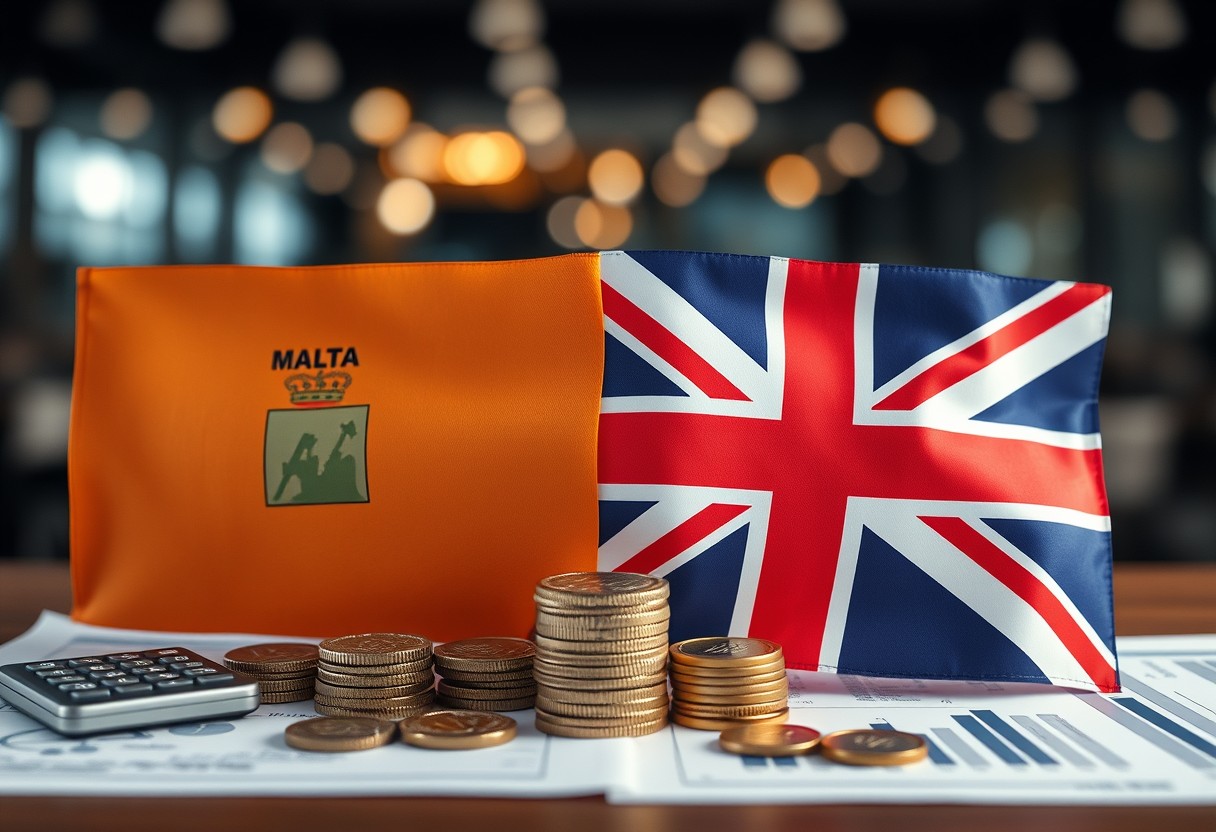
With a growing number of businesses exploring opportunities abroad, understanding the differences in corporate tax systems becomes crucial for your strategic planning. Malta’s corporate tax framework, while appealing in certain aspects, cannot compete with the comprehensive benefits offered by the UK’s tax environment. This post will explore the key disparities that affect decision-making for your business, highlighting tax incentives, regulatory support, and other critical factors that can influence your bottom line.
Overview of Malta’s Corporate Tax System
To understand the intricacies of Malta’s corporate tax system, it is crucial to first appreciate its historical context. The island nation has garnered attention over the years for its attractive tax regime, specifically aimed at attracting foreign investment and fostering business development. Historically, Malta’s corporate tax framework began to evolve alongside its EU membership, which provided the country with opportunities to align its tax laws with international standards while still retaining certain competitive advantages.
Historical Context
With Malta’s strategic location in the Mediterranean, it has served as a nexus for trade and commerce for centuries. As a response to fluctuating economic needs and global pressures, Malta gradually transitioned from a protectionist economic structure to one that welcomes foreign businesses. Since joining the European Union in 2004, Malta has focused on creating a business-friendly environment, largely by offering a corporate tax rate that is particularly appealing to foreign investors and multinational corporations.
Current Tax Rates and Structures
For businesses operating in Malta, the standard corporate tax rate is set at 35%. However, it is important to note that the effective tax rate can be significantly lower due to various incentives and mechanisms, such as tax refunds for shareholders. Depending on the circumstances, businesses may end up only paying around 5% to 10% of their profits in tax after claiming these benefits.
Maltas corporate tax structure also allows for flexibility, providing businesses with options that can optimize their tax obligations. This flexibility, combined with a relatively straightforward compliance process, makes it easier for businesses to navigate the tax landscape. You should be aware that while the nominal rate appears high, Malta’s refund system plays a pivotal role in creating a favorable tax environment for many companies.
Incentives for Businesses
Any successful business strategy requires an understanding of the various incentives available within a specific jurisdiction, and Malta is no exception. The Maltese government has implemented a range of incentives aimed at encouraging foreign investments, including reduced tax rates for specific industries, capital allowances, and investment tax credits. These initiatives are designed to attract technology firms, gaming companies, and other sectors deemed beneficial to the national economy.
Overview, these incentives can be highly advantageous for your business, allowing you to scale operations while maintaining lower operational costs. The target sectors for these incentives provide niche opportunities for businesses to thrive and foster a vibrant entrepreneurial ecosystem in Malta. By taking full advantage of these options, you can position your business for growth within an increasingly competitive market.
The UK Corporate Tax Landscape
Clearly, the UK’s corporate tax landscape is designed to provide a competitive environment for businesses of all sizes. The government’s approach focuses on attracting both domestic and international investors by offering a system that is both transparent and predictable. This stability makes it easier for you to plan your business finances and strategize for growth, knowing that changes in tax policy are carefully considered and communicated well in advance.
Overview of UK Tax Policies
To understand the advantages that the UK offers, you must first grasp the framework of its tax policies. The corporation tax rate stands at a relatively low percentage compared to many other developed nations, making it attractive for companies looking to establish or expand their operations. Additionally, the system of allowances and reliefs, such as the Research and Development (R&D) tax credit, serves to further incentivize innovation and investment in the UK economy.
Benefits for Multinational Corporations
Multinational corporations find the UK’s tax regime particularly appealing due to its favorable tax treaties and the absence of withholding taxes on dividends for certain qualifying companies. You especially benefit from this, as it provides a pathway to repatriate profits to your home country without incurring heavy tax liabilities. Furthermore, the UK’s robust legal framework and stable business environment enhance your operational predictability across borders.
Corporations looking to minimize tax liabilities are often drawn to the UK’s structured incentives, including specific routes for capital allowances and tax credits linked to R&D activities. This can substantially lower your overall tax burden and enhance your bottom line, allowing you to allocate more resources towards growth initiatives and operational expansion.
Recent Reforms and Adjustments
To maintain its competitive edge, the UK has implemented various reforms and adjustments intended to streamline the corporate tax process and ensure adherence to international tax standards. These reforms often align with the OECD’s Base Erosion and Profit Shifting (BEPS) guidelines, which aim to prevent tax avoidance by multinational companies. As a result, you benefit from a more stable and transparent operating environment, encouraging compliance and ease of doing business.
With ongoing reforms, such as the introduction of a Digital Services Tax aimed at large tech companies, the UK is adapting to modern business practices while ensuring that fair contributions are made to the economy. This responsiveness to the changing economic climate means that you can operate with more certainty and confidence, knowing that the tax system will continue to support your business needs efficiently.
Comparative Analysis: Malta vs. UK
Your understanding of the corporate tax systems in Malta and the UK is imperative for making informed decisions about your business operations. In this comparative analysis, you will find crucial elements that highlight the strengths and weaknesses of each system, helping you assess which jurisdiction may offer greater benefits for your specific needs.
Tax Rates Comparison
| Criteria | Malta |
|---|---|
| Standard Corporate Tax Rate | 35% |
| Effective Tax Rate (after refunds) | 5% to 10% |
| Capital Gains Tax | 0% (for non-residents under certain conditions) |
| Standard Corporate Tax Rate | 19% |
| Effective Tax Rate | 19% |
Tax Rates Comparison
Analysis of the tax rates in Malta and the UK shows significant differences that may influence your decision as a business owner. Malta boasts a high nominal corporate tax rate of 35%; however, the system features generous refund mechanisms that can lower the effective tax rate to as low as 5% for certain returning entities. This is a notable advantage for many companies, but it can also lead to complexity and additional administrative burdens. Conversely, the UK maintains a straightforward corporate tax rate of 19% across the board, which is relatively easier to predict and manage in terms of financial planning.
Understanding these disparities in tax rates is crucial for your business strategy. Malta’s appeal may lie in the potential for lower effective rates, while the UK offers transparency and predictability that can simplify your tax obligations. Consequently, you should carefully evaluate which model aligns better with your operational structure and long-term goals.
Availability of Deductions and Credits
With regard to deductions and credits, both Malta and the UK present opportunities, yet they differ significantly in their offering and complexity. Malta allows for various deductions, including those related to research and development and certain investments. This creates potential for tax relief that can significantly impact your bottom line. However, navigating Malta’s specific eligibility criteria and regulations can be more challenging, requiring diligence and perhaps external consultation.
Credits are also an area where Malta shines. For instance, the imputation system allows shareholders a credit for taxes paid by the company, leading to potential reductions in personal tax liabilities on dividend income. This can appeal to you, especially if your business operates in sectors eligible for additional tax credits designed to stimulate investment. However, the amount of paperwork and compliance required can detract from the overall efficiency of utilizing these incentives.
Compliance and Regulatory Environment
An important consideration when comparing Malta and the UK is the compliance and regulatory environment. Malta does have a robust regulatory framework; however, it is often seen as more complex and may not always align with international best practices. This complexity can lead to higher administrative costs and compliance burdens for your business, potentially diminishing the advantages of its tempting tax rates and incentives.
To counterbalance this, the UK’s regulatory environment is generally regarded as more straightforward and clearer. Compliance in the UK is enforced through more predictable guidelines, which could mean lower legal and bureaucratic costs for your business. This simplicity can free up resources for you to focus on growth and operations rather than red tape.
Overall, as you contemplate your options for business operations in either jurisdiction, weighing the benefits against the compliance costs and regulatory requirements will be crucial to your decision-making process.
Impacts on Business Operations
Not all corporate tax systems are created equal, and the differences between Malta’s and the UK’s can profoundly affect your business operations. As you evaluate where to incorporate or expand your business, it’s critical to consider how the tax structure can impact your day-to-day functioning and long-term strategic planning. The corporate tax landscape influences not only your immediate profitability but also your ability to attract top talent, pursue growth opportunities, and effectively manage costs.
Attraction of Foreign Investment
The benefits that the UK offers in terms of corporate tax rates and incentives can make it a more appealing option for foreign investors compared to Malta. The UK’s extensive networks and established financial ecosystem provide a fertile ground for investors seeking stability and growth potential. If your business is looking to stay competitive and attract international investment, you’ll find that the UK’s tax framework is often more aligned with the global best practices that investors seek.
Business Growth and Sustainability
Growth in your business is often stifled by tax policies that do not support innovation or expansion. While Malta does provide certain incentives, the overall restrictive nature of its corporate tax regulations can hinder your ability to scale efficiently. In contrast, the UK offers a range of support systems, such as research and development tax credits, that empower businesses to invest in their future. Without such robust support, you may find it challenging to sustain your business trajectory over time.
Plus, the capability to reinvest profits back into growth opportunities without excessive tax burdens is important for long-term sustainability. In the UK, the tax incentives can allow you to allocate more resources towards research, staff training, and market expansion. This fosters an environment where your business can innovate rapidly and respond effectively to changing market conditions. In Malta, the limitations in these areas may slow your business’s adaptability and accessibility to critical funding.
Long-term Economic Outlook
On a broader scale, the long-term economic outlook for your business can be influenced significantly by the corporate tax systems in place. The UK, with its proactive measures to enhance economic growth, presents a more favorable outlook for businesses hoping to thrive in a competitive global market. The benefits of a more streamlined tax system can translate into better investment in infrastructure, technology, and human resources, directly impacting your operational effectiveness.
A key consideration for your business is how unpredictable changes in tax policy can affect your plans. The UK’s consistent approach to business taxation helps create a more stable environment, making it easier for you to forecast and plan your financial future. In contrast, Malta’s system can be seen as less competitive and more susceptible to sudden changes, which might leave you vulnerable in an ever-evolving global economy. Understanding these implications is crucial for your strategic decision-making.
Challenges within Malta’s Tax System
For many business leaders, understanding the Malta corporate tax system can be a daunting task, particularly when compared to the structures in other countries like the UK. Malta’s appeal as a tax haven has led to a complex web of incentives, super rebates, and regulatory requirements that can create challenges for you as a business owner. Navigating these complications requires a clear understanding of the benefits and potential drawbacks that the system imposes.
Global Trends in Corporate Tax
On a global scale, companies face increasing pressure to comply with new tax regulations and transparency requirements. Countries are moving towards more standardized tax practices, and initiatives like the OECD’s Base Erosion and Profit Shifting (BEPS) framework aim to limit aggressive tax avoidance schemes. As a business operating in Malta, you must be aware of these global trends to ensure that your strategies align with international expectations and requirements.
Legislative and Regulatory Hurdles
Corporate structures and regulations in Malta can sometimes make it difficult for businesses to take full advantage of the lower tax rates. You may find yourself entangled in a labyrinth of legislation that requires extensive documentation, compliance checks, and periodic reporting. This complexity can divert your focus away from core business activities, resulting in lost opportunities and increased operational costs.
Another significant challenge arises with the constant evolution of tax laws in Malta. You may have to frequently adjust your business strategies to adhere to new legislation and regulatory frameworks. The lack of consistency can create uncertainty, making long-term planning more difficult. As a result, you might find it beneficial to invest in professional advice to navigate these complexities effectively.
Public Perception and Image Issues
Systemic issues in the public perception of Malta as a tax jurisdiction can also result in challenges for your business. The island has sometimes been labeled as a tax haven with questionable practices, which could influence potential partners and stakeholders’ views of your organization. This negative perception can deter investors or clients who are looking for businesses with a reputable tax standing, thereby impacting your growth opportunities.
Regulatory concerns surrounding Malta’s tax incentives can add to this image issue. When businesses face scrutiny for misusing the system or exploiting loopholes, it can create a ripple effect that tarnishes the reputation of all companies registered there. As you seek to establish your brand, it’s crucial to recognize that public sentiment can play a significant role in your organization’s ability to succeed. Prioritizing transparency and ethical practices will be imperative to overcoming these hurdles in the perception arena.
Future Directions and Reforms
Many businesses and investors are closely watching Malta’s corporate tax system, recognizing the need for change to remain competitive with the robust benefits offered by the UK’s tax framework. As the global economic environment shifts and the demands of businesses evolve, Malta has the opportunity to refine its tax policies to better cater to both local and foreign enterprises.
Potential Changes in Malta’s Tax Policies
On the horizon, Malta’s government may consider several potential changes to its tax policies that could enhance its appeal to businesses. This might include revising the current tax rates to create a more competitive landscape, as well as introducing incentives for specific industries that align with national priorities and economic goals. By reassessing its tax structure, Malta could better cater to innovative sectors and attract new investments, which are crucial for economic growth.
On top of that, improvements in compliance processes and transparency might also be on the table. Streamlining bureaucratic procedures and reducing compliance burdens can make Malta a more appealing destination for international businesses looking for efficiency. By addressing these aspects, Malta could not only foster a more inviting business climate, but also set itself apart from other jurisdictions that may not offer the same level of support.
Lessons from the UK System
Maltas’ current tax policies can draw substantial lessons from the UK system, particularly in terms of fostering a business-friendly environment. The UK’s structured approach to incentives, including research and development tax credits and well-defined capital allowances, has made it an attractive destination for innovation-driven companies. By looking at these strategies, you can envision how a similar framework in Malta could enhance the country’s economic landscape.
Changes in Malta’s corporate tax policies could involve adopting elements that have proven beneficial in the UK. This not only includes tax incentives but also the creation of support systems for startups and small businesses. Encouraging innovation through well-defined benefits could help Malta retain and attract businesses that value research, development, and technological advancements.
Opportunities for Improvement
An evolving economic environment creates numerous opportunities for improvement within Malta’s corporate tax framework. By focusing on reducing the complexity of tax legislation and enhancing clarity in regulations, Malta can strengthen its position as a favorable business environment. You might also find that establishing clear guidance for various sectors could help businesses navigate the tax system more effectively, thereby stimulating growth and investments.
Moreover, exploring collaborations with international bodies and neighboring countries could foster a learning environment that aids in refining Malta’s corporate tax system. Opportunities to engage with global tax standards and practices can provide you with insights that drive meaningful reform in the local context.
To Wrap Up
Conclusively, while Malta offers attractive incentives through its corporate tax system, the benefits provided by the UK’s overall business environment may outweigh those in Malta for many entrepreneurs and organizations. You must consider that the UK’s robust legal framework, access to a larger market, and a diverse workforce contribute significantly to its appeal. Your business growth prospects may be more enhanced by the UK’s established reputation as a business-friendly environment, which encourages investment and innovation. Additionally, the UK’s approach to taxation, coupled with its myriad of support schemes, presents a compelling case for businesses seeking stability and growth.
Furthermore, the agility of the UK’s regulatory environment can be more conducive to navigating complex business landscapes compared to Malta’s more service-oriented model. As you weigh your options for corporate operations, it is crucial to evaluate not just the tax rates but also the holistic business ecosystem that each location offers. In making your decision, take into account factors like market access, workforce availability, and legal frameworks, which can significantly influence your company’s success in the long run. Ultimately, the choice between Malta and the UK should hinge on where you believe your business can thrive best.
FAQ
Q: What are the key differences between Malta and the UK in terms of corporate tax rates?
A: Malta has a statutory corporate tax rate of 35%, but effective rates can be significantly lower due to tax refunds for shareholders. The UK, on the other hand, has a lower flat corporate tax rate of 19%, which is set to rise to 25% for larger companies. The UK’s straightforward taxation model and lower effective tax rates make it more attractive for businesses seeking to minimize tax liabilities.
Q: How does Malta’s tax refund system operate and why might it not be as beneficial as the UK’s tax incentives?
A: Malta’s tax refund system allows companies to claim refunds of up to 6/7 of the tax paid, which can reduce the effective tax rate to as low as 5%. However, this system is often viewed as complex and may deter companies unfamiliar with it. In contrast, the UK offers various straightforward tax incentives and allowances, such as R&D tax credits and capital allowances that can provide immediate financial benefits without the need for complicated refund processes.
Q: What implications do these corporate tax differences have on foreign investment in Malta compared to the UK?
A: The complexities of Malta’s corporate tax system and higher nominal rates may lead to a perception of uncertainty among potential investors compared to the UK’s transparent and competitive tax environment. Foreign investors often favor countries with predictable tax frameworks, leading to a preference for the UK, which is perceived as more business-friendly. Additionally, the extent of business support, infrastructural advantages, and access to markets further enhance the UK’s attractiveness for foreign investment.

