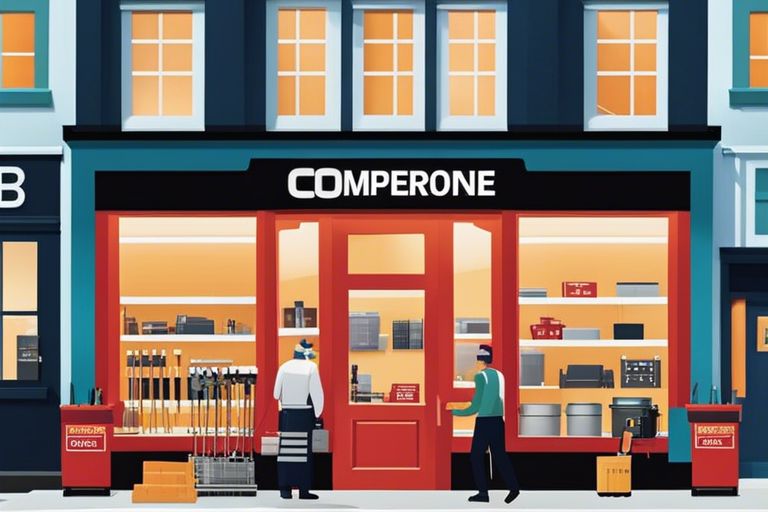
Startup journeys can be both exhilarating and daunting, especially when it comes to launching a tool hire company in the UK. This guide will walk you through important steps and considerations to ensure your business thrives in a competitive market. You’ll learn about market research, legal requirements, important tools, and effective marketing strategies tailored to your unique vision. Get ready to transform your entrepreneurial dreams into reality and set your tool hire company up for success!
Understanding the Tool Hire Industry
The tool hire industry in the UK has gained notable traction over the years, becoming a go-to choice for individuals and businesses looking for temporary access to equipment. To begin on launching your own tool hire company, it’s crucial to make sense of the landscape you’re entering, starting with the different types of tool hire businesses that exist in the market.
Types of Tool Hire Businesses
An understanding of the various types of tool hire businesses can better position you for success. The industry generally comprises general tool hire companies, specialist hire firms, and equipment rental shops that cater to niche markets. Here’s a breakdown of the main types:
| Type of Tool Hire Business | Description |
|---|---|
| General Tool Hire | Offers a wide range of tools and equipment for various purposes. |
| Specialist Tool Hire | Focuses on specific industries, such as construction, landscaping, and DIY. |
| Equipment Rental Shops | Includes businesses that rent other equipment like party supplies and furniture. |
| Online Platforms | Allows customers to rent tools through an online interface. |
| Franchise Operations | Involves established brands allowing individuals to open local branches. |
The right choice for you will depend on your business goals, market needs, and personal interests. It’s necessary to understand what niche you want to fill and how you can differentiate your services. The insights you gather will guide your business model and operations moving forward.
Market Analysis and Trends
Some market analysis will help you identify your target audience and understand the competitive landscape in which you will operate. You’ll want to gather data on customer preferences, rental pricing strategies, and local demand for specific tools. By doing this research, you can formulate a solid business plan and marketing strategies that align with the market’s needs. It’s also critical to consider the economic factors affecting rental rates, such as inflation and construction market fluctuations.
Trends in the tool hire industry reflect shifting consumer behaviors, particularly the growing inclination towards sustainability. Many customers are becoming increasingly aware of the environmental impact of their purchases, leading them to seek out eco-friendly options. Moreover, the rise of DIY projects during the pandemic has significantly driven demand for tool hire services. You should stay updated on these trends to tailor your offerings in ways that meet your customers’ evolving needs. Emphasizing sustainability in your business model can not only attract more clients but also position your company as a responsible choice in the marketplace.
Pre-Launch Preparation
Even with a great concept in mind, successful launch of your tool hire company will hinge on thorough pre-launch preparation. This phase involves assessing your business environment, identifying key market players, and understanding customer needs, among other crucial steps. The groundwork laid here will significantly shape your venture’s future and viability. It’s necessary to think critically about the various factors that can impact your business right from the outset.
Factors to Consider Before Launching
The initial phase of your tool hire business should include a deep look into those factors that could affect your operation. Key considerations range from the location of your business to understanding the competition in your area. A solid grasp of these elements can provide you with a competitive edge.
- Market research and customer preferences
- Local regulations and compliance requirements
- Initial capital and operating costs
- Potential suppliers and partnerships
The insights you gather will guide your strategic decisions, allowing you to position your company effectively within the marketplace.
Tips for Creating a Business Plan
There’s no getting around the fact that a well-structured business plan serves as the foundation for your tool hire company. It not only helps you map out your vision but also assists in securing any necessary financing. Focus on layering in sections that clearly define your goals, target market, operational strategies, and financial projections.
- Outline your business objectives clearly
- Detail your target audience and marketing strategies
- Include financial forecasts and funding requirements
- Assess potential risks and create contingency plans
Assume that your business plan will evolve as your company grows; it’s a living document that reflects your objectives and the changing landscape of your business environment.
- Set realistic timeline milestones
- Regularly review and adjust your financial projections
- Collect feedback from trusted advisers
- Keep it concise yet comprehensive
To ensure your business plan is as effective as possible, engage in continuous research. This will help you stay up-to-date with industry trends and customer preferences, allowing your plan to remain relevant and purposeful.
Securing Funding and Insurance
Launching your tool hire company will require careful attention to funding and insurance. As you assess your financial needs, consider various financing options from personal savings and bank loans to venture capital and government grants. Additionally, understanding your insurance requirements is crucial in protecting your business against potential liabilities.
Securing the right insurance coverage assures you that unforeseen disruptions won’t derail your business. Coverage can range from general liability to property insurance and equipment coverage. Research thoroughly to find policies that align with your specific business model.
PreLaunch funding might seem daunting, but it is important to approach potential investors or lenders with a robust business plan and a well-defined strategy. Preparing these elements in advance will help you present your case compellingly.
Setting Up Your Tool Hire Company
Not only is launching a tool hire company an exciting venture, but it also requires a clear and methodical approach to setup. From business registration to management systems, each step is crucial in ensuring the smooth operation of your company. Below, you will find vital steps and considerations for setting up your new tool hire business in the UK.
Step-by-Step Guide to Registering Your Business
With the right preparation, registering your business can be a straightforward process. Here’s a simplified breakdown of the key steps involved:
| Step | Description |
| 1. Choose Your Business Structure | Decide whether you will operate as a sole trader, partnership, or limited company. |
| 2. Register Your Business Name | Ensure your chosen name is unique and complies with UK regulations. |
| 3. Register with HM Revenue and Customs (HMRC) | Set up your business for tax purposes promptly to avoid penalties. |
| 4. Open a Business Bank Account | Separate your personal and business finances for clearer accounting. |
Obtaining Necessary Licenses and Permits
To operate your tool hire company legally, you need to ensure you have the necessary licenses and permits. This often includes commercial licenses, safety certifications, and insurance policies. Depending on the tools you intend to hire, specific regulations may apply, particularly for items like power tools, lifting equipment, and hazardous materials.
Understanding what licenses and permits are specifically required for your business is vital. You should consult local councils and relevant industry bodies to obtain the most accurate and up-to-date information. Consider speaking to other professionals in the tool hire industry or seeking legal advice to ensure you’re compliant with all necessary regulations.
Setting Up Accounting and Inventory Systems
An efficient accounting and inventory system is crucial for the success of your tool hire business. You need a reliable way to track your assets, manage expenses, and monitor sales. Employing accounting software is recommended, as it can streamline invoicing, track payments, and give you insights into your financial health.
This system should also encompass comprehensive inventory management. Keeping track of what tools you have on hand, their condition, and rental history will help you optimize your operations. Ensure that you conduct regular audits to maintain accuracy and prevent losses.
Overall, investing the time to set up robust accounting and inventory systems now will save you considerable time and potential headaches in the future.
Building Your Tool Fleet
All successful tool hire companies recognize the importance of curating a diverse and reliable tool fleet. This is the backbone of your business and will determine both customer satisfaction and your ability to meet various project needs. You need to consider what types of tools appeal to your target audience, the frequency of hire for these tools, and how to maintain an appealing inventory that stands out from the competition.
Types of Tools to Offer for Hire
Building your tool fleet requires careful consideration of the types of tools you want to offer. Here are some popular categories to consider:
- Power Tools: Drills, saws, and sanders.
- Hand Tools: Hammers, wrenches, and pliers.
- Garden Equipment: Lawn mowers, hedge trimmers, and leaf blowers.
- Construction Tools: Scaffoldings, concrete mixers, and jackhammers.
- Safety Equipment: Helmets, eye protection, and gloves.
Thou must also stay updated regarding market trends, as customer demands can shift over time. Offering a mix of reliable brands and newer models can position your tool hire company as a go-to supplier.
Sourcing and Purchasing Tools
Fleet management includes sourcing and purchasing your tools wisely. You can either buy tools outright or establish supplier agreements for renting equipment. It’s critical to assess your budget, the scale of your operations, and the expected demand. You may want to start small and expand your fleet as your business grows. Seek reliable suppliers and manufacturers who can provide high-quality equipment that aligns with your business goals.
Tools procurement can make or break your fleet; therefore, conducting diligent research is crucial. Comparing prices, warranty options, and maintenance support from various sources will ensure you get the best value for your investment. Negotiate bulk deals wherever possible, as this can dramatically reduce your startup costs and improve profit margins.
Equipment Maintenance and Repair
Some managers might overlook the importance of regular equipment maintenance and repair, but this is crucial for your tool hire company’s success. Each tool in your fleet needs to be in excellent working condition to maintain customer satisfaction and achieve optimal performance. Implement a systematic approach for inspecting tools, addressing any wear and tear, and performing scheduled maintenance. This proactive approach can help prevent costly breakdowns and keep your tools performing efficiently.
Hire a skilled maintenance technician or train your staff, ensuring that everyone knows the basics of equipment upkeep. This investment in knowledge will facilitate quicker repairs and increase your tools’ longevity, fortifying your company’s reputation for quality service.
Marketing and Sales Strategies
Keep in mind that your marketing and sales strategies are crucial for the success of your tool hire company in the UK. You’ll need to consider both online and offline methods to effectively reach your target market and convert potential customers into loyal clients. Understanding the pros and cons of each approach will help you tailor your marketing strategies to suit your business needs.
Pros and Cons of Online vs. Offline Marketing
Pros and Cons Breakdown
| Online Marketing | Offline Marketing |
|---|---|
| Cost-effective, often lower budgets compare to traditional methods. | Tangible presence; physical marketing materials can be more memorable. |
| Wider reach; allows you to target specific demographics effectively. | Local engagement; better for building relationships within your community. |
| Access to real-time data and analytics to track performance. | Less competition; not everyone utilizes offline marketing strategies. |
| Quick to execute and adjust campaigns based on feedback. | Can create a sense of urgency through limited-time offers and promotions. |
| 24/7 availability; customers can learn about your services at any time. | Direct interaction; face-to-face communication can build trust. |
| Opportunities for SEO to improve long-term visibility. | Brand differentiation through unique offline experiences. |
| Potential for viral marketing and social sharing. | Physical location can serve as an advertising tool. |
| Flexibility to scale advertising efforts quickly. | Local print ads can be effective if well-targeted. |
| Interactive content can increase engagement and retention. | High-quality brochures or flyers can leave a lasting impression. |
| Effective for establishing an online community around your brand. | Participation in local events can raise brand awareness. |
Creating a Website and Social Media Presence
Online presence is no longer optional; it’s vital for any tool hire company looking to thrive in the UK market. A well-designed website will serve as your digital storefront, showcasing your products, prices, and contact information, while social media platforms like Facebook, Instagram, and LinkedIn can help you connect with your audience on a personal level. You’ll want to regularly update your content and engage with your followers to build a community around your brand.
For instance, you could create informative blog posts about DIY projects, tool maintenance tips, or how-tos that not only promote your services but also provide real value to your customers. By sharing content that resonates with your target audience, you can enhance your brand’s visibility and authority in the industry, leading to increased customer trust and loyalty.
Developing a Sales Strategy
Offline marketing methods can complement your online efforts, especially when it comes to developing a robust sales strategy. This might include networking events, trade shows, and community engagements where you can showcase your offerings and interact directly with potential clients. Providing hands-on demonstrations of your equipment can also help you make a lasting impression and encourage immediate rentals.
Sales tactics can vary but ensuring your team is trained in product knowledge and customer service skills will make a significant difference. You’ll also want to consider offering special promotions, loyalty programs, or bundled services that can help you stand out against competitors and drive sales growth.
Operational Considerations
Unlike many businesses that might operate online or from a single location, launching a tool hire company requires careful attention to your operational considerations. These can have a significant impact on your success in the competitive UK market. You’ll need to consider your location, staff hiring and training, and strict compliance with health and safety regulations to create a strong foundation for your new venture.
Factors to Consider When Choosing a Location
Clearly, the location of your tool hire company is critical to your overall success. When choosing a site, you should evaluate several factors that may influence your customer base and operational efficiency:
- Proximity to your target market
- Accessibility for customers and delivery vehicles
- Competition within the area
- Cost of rental or purchase of the property
- Availability of parking space for customers
The selection of the right location can attract more customers and set you apart from competing businesses.
Hiring and Training Staff
Some of the most vital aspects of your operational considerations revolve around hiring and training staff. You will need a knowledgeable and friendly team that understands the tools you provide and can offer valuable advice to customers. This includes understanding the features and benefits of the tools you hire out, as well as the importance of customer service in this sector.
The right staff training programs should cover not only product knowledge but also sales techniques and customer interaction. Investing time and resources into training will ensure that your employees are equipped to deliver excellent service, handle tools safely, and head off potential problems before they escalate.
Health and Safety Regulations
Regulations surrounding health and safety are particularly pertinent in the tool hire sector. You are legally obligated to ensure that the tools you hire out are safe and well-maintained, which includes regular inspections and adherence to safety standards. Additionally, you need to educate your employees on safe handling practices and develop protocols for equipment checks to prevent accidents and injuries.
Location is also an important factor regarding health and safety compliance. Your premises should meet local health and safety codes, and you must regularly review your policies to remain in adherence with updated regulations. Failure to comply can not only affect your business operations but also lead to legal repercussions.
Conclusion
Considering all points, launching a tool hire company in the UK is a venture that can yield significant returns if approached strategically. You need to start by performing thorough market research and identifying your target customers. Understanding the competitive landscape will guide you in offering the right tools and services that cater to your audience. Additionally, focusing on building strong relationships with suppliers will ensure that you have access to quality equipment that meets demand. Don’t overlook the importance of a well-crafted marketing strategy to create awareness of your new business.
As you begin on this entrepreneurial journey, remember that success will not happen overnight. It requires consistent effort, adaptability, and a keen awareness of evolving market trends. You should prioritize creating a user-friendly online presence and consider leveraging social media to engage your customers actively. By staying customer-focused and continuously refining your business operations, you will be well-positioned to build a reputable tool hire company that thrives in the competitive UK market.