The recent leaks from TheJavaSea.me have sent shockwaves through the cybersecurity community. At the heart of this controversy is the disclosure of All-In-One Threat Level Protocol (AIO-TLP) data, which raises serious digital security and privacy concerns.
These leaks aren’t just another headline; They represent a pivotal moment in understanding, managing and protecting against cyber threats.
In this blog, I’ll go deeper into what these leaks mean for the cybersecurity landscape and what steps you can take to protect yourself.
What are TheJavaSea.me leaks AIO-TLP?
TheJavaSea.me, a data sharing and cybersecurity platform, became the subject of intense scrutiny when it was revealed that confidential information, particularly regarding AIO-TLP, had been leaked.
But what exactly is AIO-TLP? This cybersecurity protocol is used to classify and securely share threat data between networks, organizations and security professionals.
TheJavaSea.me leaks contained detailed data about the structure of the AIO TLP, user interactions, and threat sharing mechanisms, all of which are critical to the operation of the platform.
This breach exposed significant gaps in security practices and sparked a broader discussion about how to better protect such sensitive data in the future.
How do the AIO TLP leaks impact cybersecurity?
The leaks have forced a reevaluation of existing cybersecurity practices. With the disclosure of AIO TLP data, organizations are beginning to recognize the inadequacies of their defenses.
The breach exposed vulnerabilities in both technical and human elements of security protocols.
As a result, there is increased focus on improving threat detection systems, investing in more advanced encryption technologies and fostering a culture of continuous security training among employees.
Additionally, the leak accelerated the shift from reactive to proactive cybersecurity measures.
Organizations are moving beyond just responding to breaches to trying to predict and prevent them.
It uses artificial intelligence (AI) and machine learning (ML) tools to analyze patterns and detect anomalies in real time.
What are the key privacy and data protection implications?
The disclosure of AIO-TLP data has also raised alarm bells when it comes to privacy and data protection. The leaked information could potentially be used to exploit vulnerabilities in personal and corporate networks.
This situation has led to the urgent need for new data protection laws and stricter data protection regulations to prevent future breaches.
Companies are now under pressure to adopt more comprehensive data protection policies. This includes implementing multi-factor authentication (MFA), regular penetration testing and encrypting all sensitive data.
Additionally, there is increasing emphasis on educating employees about phishing attacks, social engineering, and other common methods used by cybercriminals.
Why are TheJavaSea.me leaks considered a game changer?

The JavaSea.me leaks are considered groundbreaking due to the scale and sensitivity of the data involved.
Unlike previous data breaches that primarily targeted customer information, this leak exposed critical security data that could compromise entire cybersecurity infrastructures.
The impact is profound, affecting both the public and private sectors and leading to a fundamental reassessment of how we deal with digital threats.
These leaks have also highlighted the evolving nature of cyber threats. Conventional security measures are no longer sufficient; Organizations must adopt a more adaptable and resilient approach to counter increasingly sophisticated cyberattacks.
This has driven innovation in security technologies and methodologies and encouraged the development of more robust, flexible security frameworks.
What’s next for cybersecurity after these leaks?
The cybersecurity landscape is expected to change significantly in the wake of these leaks. Experts predict increasing reliance on AI and ML to detect and respond to threats.
Additionally, there will be a greater focus on collaboration between organizations, governments and security professionals to share threat intelligence more effectively.
New technologies such as quantum computing and blockchain could also play a role in future cybersecurity strategies, offering new ways to encrypt and secure data.
The focus is likely to shift from simply protecting data to ensuring its integrity and authenticity, which are equally important in the fight against cybercrime.
How can you protect yourself from TheJavaSea.me leaks?
To protect yourself from the consequences of these leaks, several practical steps are required. Start improving your personal cybersecurity measures:
- Use strong, unique passwords for each account.
- Enable multi-factor authentication (MFA).
- Avoid sharing sensitive information through unsecured channels.
It is critical for organizations to invest in comprehensive cybersecurity solutions, conduct regular audits, and stay up to date on the latest threats.
Using advanced detection tools such as Intrusion Detection Systems (IDS) and Intrusion Prevention Systems (IPS) can help detect and mitigate potential breaches before they cause harm.
How can affected platforms restore trust after TheJavaSea.me leaks?
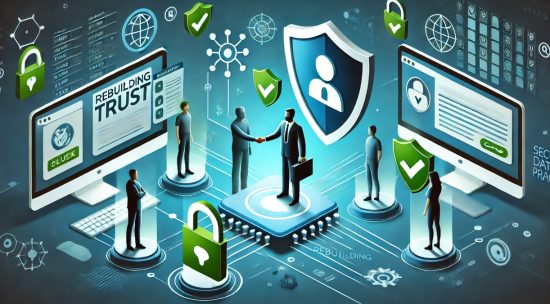
Restoring trust after a data breach is challenging but essential. Affected platforms must be transparent about what happened, how the breach occurred, and what steps are being taken to prevent future incidents.
Clear communication with users, including providing guidance on how to protect their data, is critical to rebuilding trust.
Implementing stronger security measures such as end-to-end encryption, regular security updates, and independent security audits is also evidence of your commitment to user security.
Additionally, compensating affected users or offering enhanced security features as a goodwill gesture can help regain trust.
What are the legal and regulatory consequences of these leaks?
The JavaSea.me leaks also have significant legal implications. Organizations responsible for such breaches could face significant fines, lawsuits or other penalties if they are found to be in breach of data protection regulations such as the General Data Protection Regulation (GDPR) or the UK Data Protection Act.
The legal landscape is evolving to hold companies more accountable for data breaches, making compliance with data protection laws an essential aspect of corporate governance.
To avoid legal consequences, companies must ensure they have robust data governance practices in place, regularly monitor compliance with relevant regulations, and promptly report any data breaches to the relevant authorities.
Diploma
The JavaSea.me leaks have exposed critical flaws in our approach to cybersecurity and forced a shift to more proactive and resilient security measures. As we adapt to this new reality, it is important to stay informed, alert and prepared.
Whether you’re an individual or a business, taking proactive steps now can help protect your data from future threats and ensure you’re not caught out by the next big breach.
FAQ section
AIO-TLP (All-In-One Threat Level Protocol) is a classification framework for exchanging threat intelligence. The leaks revealed confidential information about this protocol.
How do these leaks affect privacy?
These leaks compromised sensitive information, raising concerns about data misuse and unauthorized access and prompting new security protocols.
What new cybersecurity challenges have emerged as a result of these leaks?
The leaks revealed vulnerabilities that require innovative solutions, including improved threat detection methods and stronger encryption techniques.
What steps can companies take to mitigate risks from similar leaks?
Organizations should strengthen their cybersecurity frameworks, conduct regular security assessments, and invest in advanced threat detection and response tools.
What are the best tools for detecting and preventing data breaches?
Effective tools include intrusion detection systems (IDS), intrusion prevention systems (IPS), and encryption software.
How can individuals protect their information online?
Individuals should use strong, unique passwords, enable MFA, and remain vigilant against phishing and other cyber threats.
Will the cybersecurity landscape change permanently due to TheJavaSea.me leak?
Yes, the leaks have highlighted the need for more adaptable and resilient security measures that will shape the future of cybersecurity.