

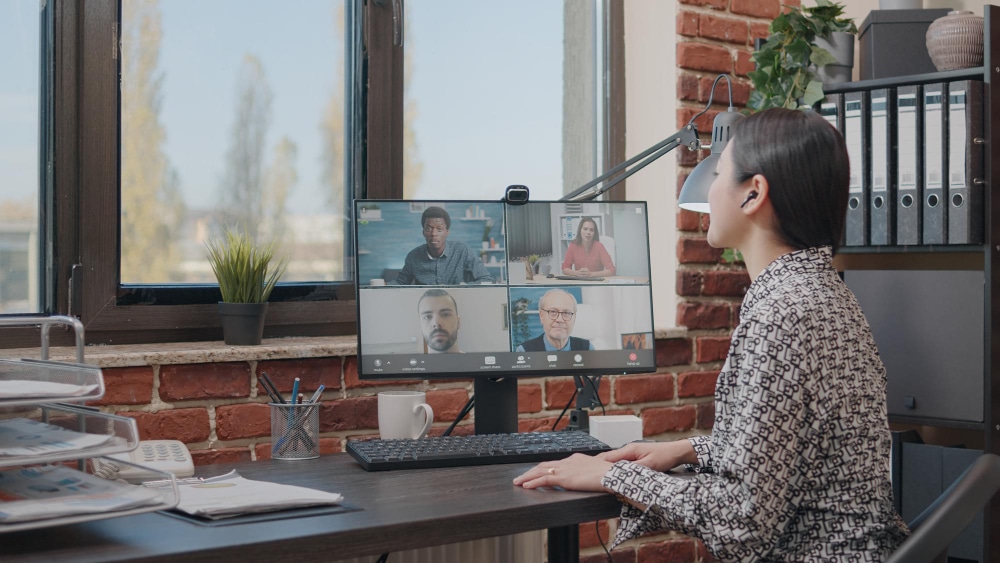
As the work landscape continues to evolve, the hybrid workplace has emerged as a powerful model that combines the flexibility of remote work with collaboration in office environments. As more and more companies in the UK adopt this approach, the expertise of Business consultant has become more and more valuable. These experts guide companies through the challenges of the hybrid model and ensure a smooth transition and long-term success. In this blog, we discuss how business consultants are designing the hybrid workplace, with a focus on technology, employee engagement and productivity.
Management consultant in the hybrid workplace
Management consultants play a critical role in helping companies develop and implement effective hybrid work strategies. Her experience enables companies to find the right balance between remote and in-office work, creating an environment that promotes both collaboration and flexibility.
One of the key ways business consultants add value is by developing a clear plan for implementing hybrid work. They consider each company’s specific needs, such as industry requirements, company size, and employee preferences, to ensure the hybrid model aligns with the company’s goals and culture.
Technology integration and tools
For a hybrid workplace to function smoothly, the right technology is crucial. Business consultants play a critical role in recommending and establishing tools that facilitate communication and collaboration across different locations.
Consultants may suggest using video conferencing platforms like Zoom or Microsoft Teams for virtual meetings or project management tools like Asana or Trello to organize tasks. They also help companies adopt cloud-based systems that enable employees to access work resources from anywhere, ensuring operations continue smoothly regardless of where employees work.
Beyond simply selecting tools, management consultants help companies navigate the complexities of integrating new technologies. You will work closely with IT teams to ensure new systems are implemented effectively and employees are well trained to minimize disruption and maintain productivity during the transition to hybrid working.
Employee engagement and culture
One of the biggest challenges of the hybrid workplace is maintaining a strong company culture and motivating employees. Business consultants are able to develop strategies that foster a sense of community and connection between remote and on-site employees.
They often recommend practices that promote regular communication and team bonding, such as virtual team building activities, frequent check-ins, and clear communication channels. They also offer advice on how to make remote employees feel valued and included, whether by recognizing their achievements or providing opportunities for professional development.
Over and beyond, Management consultants help companies Develop policies that support a healthy work-life balance, which is critical to employee well-being in a hybrid environment. By promoting work-life balance, consultants help prevent burnout and ensure employees stay motivated and productive.
Maintaining productivity in a hybrid workplace
Maintaining productivity is a key concern for companies moving to a hybrid model. Management consultants offer valuable insight into how to keep productivity high in both remote and office teams.
An effective strategy is to set clear, measurable goals. Consultants help companies set goals that keep employees focused and accountable, regardless of where they work. These goals are often tied to key performance indicators (KPIs) so managers can track progress and make necessary adjustments.
Consultants also emphasize the importance of regular feedback and performance reviews. In a hybrid workplace, it can be easy for remote workers to feel disconnected from their teams. Regular feedback ensures they stay engaged and any issues are addressed promptly.
The hybrid workplace is becoming an integral part of today’s workplace and companies that want to be successful must adapt quickly. Management consultants are playing a key role in this transition, providing the expertise and strategic advice needed to create and sustain effective hybrid work models. With these insights, companies can build a hybrid work environment that supports long-term success and keeps them competitive in the dynamic UK market.
Get in touch Matt Haycox Get personal advice and expert advice today to address the challenges of a hybrid work model. Let’s develop a strategy together that will keep your team connected, productive and future-ready.

