
Welcome to our blog post on how to apply for a bad credit card in the UK! Do you want to improve your credit score and regain financial stability? Then a bad credit card could be just the thing for you. Even if your credit score isn’t great, these specialty cards can give you the opportunity to improve your financial situation and gain access to important funds.
In this article, we’ll walk you through the process of applying for a bad credit credit card in the UK and help you make an informed decision that suits your needs. So let’s dive in and discover how these cards can improve your financial situation!
What are bad credit cards?
Bad credit cards, also called secured credit cards or subprime credit cards, are specifically designed for people with poor or no credit. Unlike traditional credit cards that require good credit to qualify, bad credit cards offer people with less-than-perfect financial backgrounds the opportunity to access much-needed funds.
These types of cards usually require a deposit, which serves as security in the event that the cardholder defaults on their payments. The deposit amount may vary depending on the issuer and your individual circumstances. However, please note that this deposit can be refunded if you manage your account responsibly.
Although bad credit cards carry higher interest rates and fees than standard credit cards, they serve as valuable tools in rebuilding or establishing your creditworthiness. You can gradually improve your overall financial health by using these cards responsibly — by making on-time payments and keeping your balances low.
Bad credit cards offer individuals the opportunity to start over financially. They provide a springboard for regaining control of one’s financial situation while working toward better opportunities in the future. So let’s find out how to choose the right bad credit card for yourself!
Why apply for a credit card with bad credit?
Applying for a bad credit card can be a strategic decision for a variety of reasons. Here are some key benefits and situations where it may make sense to consider this option:
Credit recovery: If you have a poor credit history or low credit score, a bad credit card can provide an opportunity to rebuild and improve your credit. Using the card responsibly and making regular and timely payments can prove your creditworthiness to financial institutions over time.
Access to credit: Poor credit can limit your ability to get traditional credit cards or loans to start your own business. Applying for a bad credit card allows you to access credit that might not otherwise be available to you. This can help you cover unforeseen expenses, set up an emergency fund, or make important purchases.
Financial literacy: Many bad credit card issuers offer resources and tools to help users improve their financial knowledge. These resources may include budgeting tips, credit monitoring services, and educational materials. By utilizing these resources, you can gain the knowledge and skills you need to effectively manage your finances.
Comfort and safety: Credit cards with bad credit often have the same convenience and security features as conventional credit cards. This includes online purchases, tracking expenses, and accessing fraud protections. By using a bad credit credit card responsibly, you can take advantage of these features while rebuilding your credit score.
Potential for credit limit increases: Some credit card issuers with bad credit cards offer the option of increasing the credit limit over time. If you consistently make on-time payments and demonstrate responsible credit behavior, you may qualify for an increased credit limit, giving you more flexibility in managing your finances.
It should be noted that bad credit cards typically come with higher interest rates and potential fees than other credit cards. Therefore, it is important to read the terms and conditions carefully, understand the costs involved and use the card responsibly to maximize its benefits while minimizing potential downsides.
How to Choose the Right Credit Card for Bad Credit?

There are a few key factors to consider when choosing the right bad credit card. First and foremost, you should look at the interest rate, or APR (Annual Percentage Rate), offered by the card. Since you have poor credit, there is a good chance that the interest rate will be higher than average. Still, it’s important to compare options and choose a card with a competitive rate.
Next, look at the fees associated with the card. Some credit cards with bad credit may incur annual fees or monthly maintenance fees. It is important to factor these costs into your decision-making process.
Another crucial aspect is to consider any possible rewards or benefits offered by the card issuer. While most bad credit cards don’t offer as many perks as standard cards, some may offer cash back on certain purchases or other incentives.
Also, pay attention to whether the card issuer reports your activity to major credit reporting agencies like Experian or Equifax. Reporting positive payment history can help improve your overall credit score over time.
Read all terms and conditions carefully before applying for a particular bad credit card in the UK. Please ensure you understand any restrictions or limitations that may apply. By considering these factors when choosing a bad credit card, you can find one that best suits your financial needs and helps you build your credit score over time.
How do you apply for a credit card with bad credit in the UK?
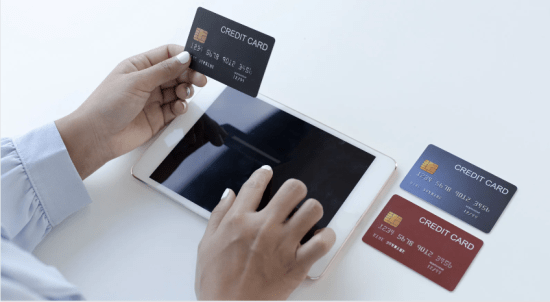
To apply for a bad credit credit card in the UK, follow these general steps:
- Check your credit score: Before you apply, get a copy of your credit report to determine your current creditworthiness. You can view your credit report for free at credit reporting agencies such as Experian, Equifax or TransUnion.
- Check out bad credit card options: Look for credit cards specifically designed for people with bad credit in the UK. Consider factors like fees, interest rates, credit building options, and additional features to find the right card for your needs.
- Compare multiple offers: Once you’ve identified potential credit cards, compare them with each other. Be aware of the terms and conditions, fees, interest rates and credit limits that each card issuer provides.
- Pre-qualification offers: Some credit card issuers may offer pre-qualification offers to help you see if you’re likely to be approved without affecting your credit score. Use this option as it can help you narrow down your choices.
- Gather the necessary information: Prepare the information and documents typically required in the application process. This may include personal information, employment information, proof of address and financial information such as income and expenses.
- Apply online or in person: Most credit card applications can be completed online through the credit card issuer’s website. Alternatively, you can visit a branch of the issuing bank to complete the application in person. Follow the issuer’s instructions to submit your application.
- Provide accurate information: Please ensure that all information provided in your application is correct, as any discrepancies or incorrect information may result in the application being rejected. Double check the details before submitting.
- Wait for confirmation: After you submit your application, the issuer will review it to determine whether you are eligible. The time required for approval varies depending on the issuer. Some offer immediate decisions, while others may take a few days or weeks.
- Read the Terms and Conditions: If approved, read and understand the credit card terms and conditions carefully. Pay attention to fees, interest rates, repayment terms and any other relevant information. Make sure you agree to the terms and conditions before accepting the card
- Activate and use the card responsibly: Once your card arrives, activate it according to the issuer’s instructions. Use the card responsibly, make on-time payments and stay within your credit limit.
Keep in mind that each credit card issuer may have specific application requirements and processes. Therefore, it is important to follow their instructions carefully. Also, be wary of scams and only apply for credit cards through reputable sources.
If you are unsure about the application process or need assistance, please contact the credit card issuer’s customer service representatives.
Tips for using a credit card with bad credit responsibly

- Set a budget: Before you use your bad credit card, it’s important to understand your financial situation and set a budget. Determine how much you can realistically afford each month and stick with it.
- Pay on time: One of the most important tips for using credit cards responsibly is to always make your payments on time. Late or missed payments can also negatively impact your credit score and make it more difficult to improve your financial situation.
- Keep utilization low: Try to keep your utilization rate (the percentage of available credit you use) below 30%. This shows lenders that you are not overly reliant on credit and can help improve your credit score over time.
- Avoid maxing out: While accessing a higher credit limit may be tempting, you should try not to max out your bad credit card. High balances can indicate financial instability and have a negative impact on your overall finances.
Remember, using bad credit cards responsibly is the key to rebuilding good credit and improving financial stability.
Diploma
Applying for a credit card with bad credit may seem like a daunting task, but with these tips you can successfully navigate the process. Before applying, remember to check your credit score and do your research to find the best options available.
Don’t be discouraged if you’re initially rejected — there are still ways to improve your credit score and qualify for better cards in the future. If used responsibly, a bad credit credit card can help you rebuild your credit and achieve financial stability. So take control of your finances by applying for a bad credit card today!