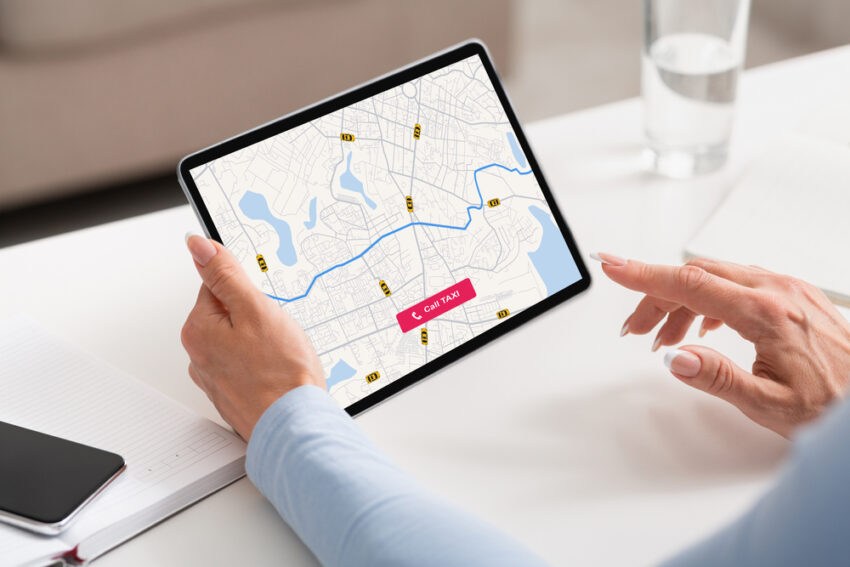
From managing fuel costs and monitoring vehicle usage to ensuring proper maintenance and compliance, fleet tracking empowers businesses to take control.
Whether you manage a handful of vehicles or a sprawling fleet, these systems can be critical to driver safety.
Today’s business landscape means facing challenges like rising fuel costs And traffic congestion and fleet tracking can help companies keep control of these expenses.
More importantly, fleet tracking unlocks a treasure trove of additional benefits, and we explain more here.
Improved fleet management
Fleet tracking systems provide a comprehensive overview of your entire fleet, providing valuable insights into vehicle location, driver activity and route optimization. This real-time data allows fleet managers to:
- Optimize shipping and route planning: Fleet tracking allows managers to see the location and availability of vehicles in real-time. This allows them to dispatch the nearest driver to a job, reducing response times and improving customer service. Additionally, managers can plan optimized routes that take into account traffic conditions, delivery schedules and driver breaks, resulting in greater efficiency and lower fuel consumption.
- Improve driver performance: Fleet tracking systems can monitor driver behavior, including speeding, hard braking, and idling time. This data can be used to identify improvements and implement training programs to promote safe and fuel-efficient driving habits.
- Reduce paperwork and streamline operations: Fleet tracking systems can automate tasks like mileage tracking, Fuel consumption monitoringand route verification. This eliminates manual paperwork and data entry, saving time and reducing the risk of errors.
Cost savings through fleet tracking
Fleet tracking systems can provide companies with significant cost savings in several ways:
- Reduced fuel costs: By monitoring driver behavior and optimizing routes, companies can significantly reduce fuel consumption. Fleet tracking systems can also help identify vehicles that are idling excessively, allowing managers to take corrective action.
- Lower Insurance Premiums: Some Insurance companies offer discounts for companies using fleet tracking systems. Because these systems can help improve driver safety and reduce the risk of accidents.
- Minimized maintenance costs: Fleet tracking systems can provide real-time data on vehicle health, allowing preventive maintenance to be scheduled based on actual usage rather than a predetermined schedule. This can help extend the life of vehicles and reduce overall maintenance costs.
Improved customer satisfaction
In today’s customer-centric business environment, providing excellent service is of utmost importance. Fleet tracking systems can help companies improve customer satisfaction in several ways:
- Faster response times: By enabling real-time shipping and route optimization, fleet tracking systems can help companies reduce response times and ensure customers receive their deliveries or services promptly.
- Improved Communication: Fleet tracking systems allow companies to track the progress of deliveries and provide customers with accurate estimated arrival times to improve communication and transparency. This leads to a more positive customer experience.
- Improved proof of performance: Some fleet tracking systems allow drivers to capture electronic signatures and other proof of delivery documents. This eliminates the need for paper trails and ensures companies have a clear record of services completed.
Other benefits of fleet tracking
In addition to the above benefits, fleet tracking systems offer several other benefits:
- Improved vehicle safety: Vehicles with positioning systems installed can prevent vehicle theft by providing real-time location tracking and geofencing capabilities. Geofences allow managers to define virtual boundaries around authorized operating areas. When a vehicle breaches the geofence, an alert is triggered so managers can take immediate action.
- Recovered Stolen Vehicles: In the unfortunate event of a vehicle theft, fleet tracking systems can be invaluable in recovering stolen vehicles. Real-time location data allows the police to track the vehicle’s movements and catch the thieves.
- Streamlined data collection and analysis: Fleet tracking systems collect a wealth of data on vehicle performance, driver behavior and fuel consumption. This data can be used to create reports and identify trends that can inform strategic decisions across the organization.
Get fleet tracking for your business
Fleet tracking systems offer a powerful suite of tools that can transform fleet management for businesses of all sizes.
By providing real-time data, improving operational efficiency and reducing costs, fleet tracking systems can enable companies to gain a significant competitive advantage.
Whether you operate a small delivery fleet or a large transportation network, implementing a fleet tracking system can be a wise investment that provides a significant return on investment