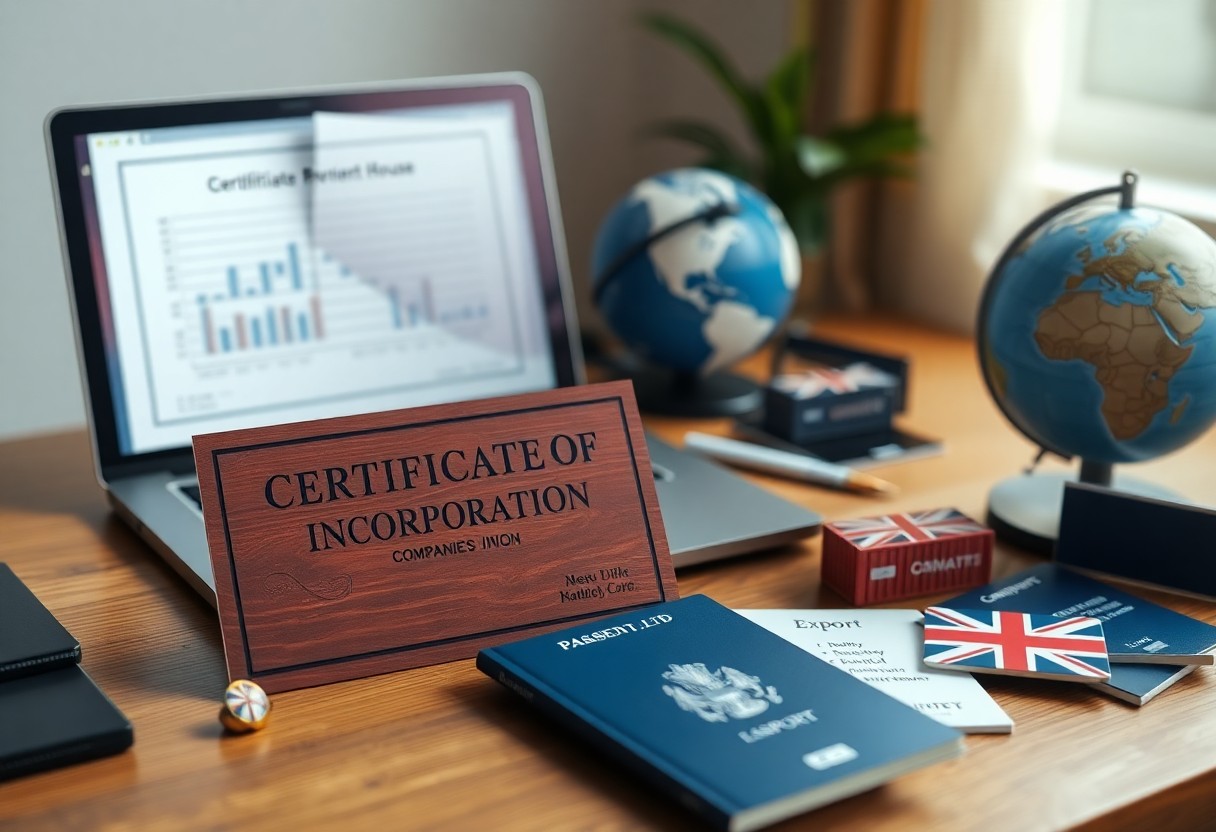
Over the past few years, Brexit has ushered in a wave of uncertainty and change for businesses in the UK, especially for limited companies like yours. Understanding the specific effects that Brexit can have on your company is crucial for making informed decisions and navigating through these challenging times. In this blog post, we will explore the impact of Brexit on UK limited companies, helping you grasp the key implications and potential strategies to mitigate any negative effects.
Background on Brexit
Brief History of the UK’s EU Membership
For many years, the United Kingdom (UK) has been a member of the European Union (EU). This membership allowed the UK to benefit from various trade agreements, economic alliances, and political partnerships with other European nations.
The Brexit Referendum and Its Aftermath
History was made on June 23, 2016, when the UK held a referendum to decide whether to remain in the EU or leave. The majority voted in favor of leaving, leading to what is now famously known as ‘Brexit.’
To better understand the impact of Brexit on UK limited companies, it’s crucial to examine the events that followed the referendum. The decision to leave the EU created significant uncertainty and upheaval in various sectors, including business, trade, and regulations.
Immediate Consequences for UK Limited Companies
There’s no denying that Brexit has immediately impacted UK limited companies. Among the major changes are in trade agreements and tariffs.
Changes in Trade Agreements and Tariffs
Any alteration in trade agreements can affect the cost of importing and exporting goods. With the UK outside of the EU, new trade deals are being negotiated, potentially introducing tariffs on goods that were previously traded without such restrictions.
Impact on Import and Export Operations
Consequences of Brexit on import and export operations are significant. The paperwork and customs processes have increased, slowing down the movement of goods across borders. Your company may face delays and additional costs due to these new procedures.
The extra time and resources needed to navigate these new processes can strain your operations and impact your bottom line. Ensuring compliance with new regulations is crucial to avoid disruptions to your supply chain and logistical operations.
Effects on Supply Chains and Logistics
Export procedures have become more complicated post-Brexit, leading to potential disruptions in your supply chains. You may encounter delays in receiving imperative components or delivering finished products to customers.
Operations that were once streamlined and efficient may now require additional planning and coordination to overcome the challenges posed by Brexit. Adapting to these changes will be vital to maintaining the smooth functioning of your business.
Financial Implications
Fluctuations in Currency Exchange Rates
Currency fluctuations can have a significant impact on your UK limited company post-Brexit. Notably, as the UK adjusts to its new trading relationships with the EU and other countries, the value of the British pound may experience increased volatility. This can affect the cost of imported goods and your company’s export competitiveness, as well as potentially impacting your profits and financial stability.
Changes in Taxation and VAT Regulations
Any alterations in taxation and VAT regulations post-Brexit can also impact your UK limited company. It’s necessary to stay updated on any changes to ensure compliance with the new regulations. Changes in tax rates or allowable deductions can directly affect your company’s financial statements and bottom line, requiring you to adjust your financial planning accordingly.
Understanding the specifics of the new tax regulations and how they apply to your business is crucial to avoid any penalties or financial setbacks. You may need to consult with a financial advisor or accountant to reevaluate your tax strategy and ensure your company remains financially sound in the post-Brexit landscape.
Impact on Investment and Funding Opportunities
Changes in investment and funding opportunities can also arise as a result of Brexit. Fluctuations in market conditions and investor confidence may impact the availability of funding for your company’s growth and development projects. It’s important to monitor these changes closely and adapt your financial strategy to navigate any challenges that may arise.
Understanding the evolving investment landscape post-Brexit can help you identify new opportunities or potential risks for your UK limited company. By staying informed and proactive, you can position your business to seize emerging investment prospects and mitigate any adverse effects on your financial position.
Employment and Immigration
Changes in Workforce Composition and Skills
Changes in the workforce composition and skill levels may occur as a consequence of Brexit. With restrictions on the free movement of labor from the EU, your company might face challenges in hiring workers with specific skills that were easily accessible before. This could lead to a shift in recruiting strategies, possibly requiring more training and development for existing employees to fill the skill gaps.
Impact on EU Nationals Working in the UK
Unlike before, post-Brexit, EU nationals working in the UK may require visas or work permits to continue employment. This change could possibly disrupt your current workforce if employees are unable to meet the new immigration requirements. You might need to support your affected employees through the application process and ensure compliance with the updated regulations.
Workforce: It is necessary to communicate openly with your EU employees about the changes and offer guidance on obtaining the necessary permits to continue working in the UK. Showing support and understanding during this transition phase can help maintain employee morale and productivity.
New Immigration Rules and Regulations
Changes in immigration rules and regulations post-Brexit could impact your company’s ability to recruit talent from the EU. You may need to adapt your hiring practices to comply with the new immigration system, which might involve additional paperwork and costs. Understanding and staying updated on these regulations will be crucial to ensure a smooth hiring process.
Immigration: Consider seeking legal advice or consulting with HR professionals to navigate through the complexities of the new immigration rules. Proper preparation and compliance are necessary to avoid any disruptions in your recruitment and retention plans.
Regulatory Framework
Changes in Company Law and Governance
Company law and governance are likely to see some changes post-Brexit. As the UK has officially left the EU, there may be amendments to existing legislation and regulations that were previously harmonized with EU law. This could impact how UK limited companies operate, affecting areas such as reporting requirements, director duties, and shareholder rights.
Impact on Data Protection and Privacy Regulations
With Brexit, the UK is no longer bound by the EU’s General Data Protection Regulation (GDPR). This means that there may be changes in data protection and privacy regulations that companies need to adhere to. For instance, the UK has introduced its own version of the GDPR, known as the UK GDPR, which aims to maintain high data protection standards and facilitate data transfers between the UK and the EU.
Compliance with EU Directives and Regulations
With Brexit, UK limited companies may no longer be required to comply with EU directives and regulations. However, if you conduct business with EU countries, you may still need to adhere to certain EU regulations to continue operating smoothly across borders. It is vital to stay informed about any changes and ensure your company remains compliant with both UK and EU laws to avoid any legal complications.
Opportunities and Challenges
Despite the uncertainties looming after Brexit, there are both opportunities and challenges for UK Limited Companies in the post-Brexit landscape. Diversification of trade partnerships, increased competition and market share, and the need for innovation and adaptation are key areas for you to focus on in this evolving scenario.
Diversification of Trade Partnerships
An imperative opportunity for your UK Limited Company in a post-Brexit world is to diversify your trade partnerships. With the potential disruption to traditional European markets, exploring new opportunities in emerging markets or strengthening relationships with countries outside the EU can help mitigate risks and open up new avenues for growth.
Increased Competition and Market Share
Any period of change like Brexit brings with it increased competition and challenges to your market share. It’s crucial for you to reassess your competitive landscape, understand your unique value proposition, and leverage your strengths to stay ahead in the game. Adapting your strategies to the new realities post-Brexit will be key to maintaining and expanding your market presence.
Market research and analysis will be your best allies in navigating the increased competition post-Brexit. Keep a close eye on market trends, consumer behavior shifts, and competitor activities to adjust your strategies accordingly and seize new opportunities that arise.
Innovation and Adaptation in a Post-Brexit Era
Competition in the global market is fierce post-Brexit, pushing you to innovate and adapt quickly to stay relevant and competitive. Embracing new technologies, exploring digital transformation, and enhancing your products or services can set you apart from the competition and cater to evolving customer demands.
Partnerships with industry leaders, research institutions, or tech startups can also help you drive innovation and stay ahead of the curve in a post-Brexit era. Collaborating with likeminded partners can bring fresh perspectives, resources, and capabilities to fuel your growth and success in the changing business landscape.
Final Words
Drawing together the various points discussed in this article, it is apparent that Brexit has had a significant impact on UK limited companies. From changes in trading regulations to potential difficulties in hiring skilled workers, there are numerous challenges that businesses have had to navigate in the post-Brexit landscape. As a business owner, it is crucial to stay informed about the latest developments and adapt your strategies to ensure your company remains resilient amidst the uncertainty.
While Brexit has brought about complexities and uncertainties, it has also presented opportunities for UK limited companies to explore new markets and forge strategic partnerships. By staying proactive, agile, and well-informed, you can position your business to thrive in the evolving economic environment. Keep in mind, knowledge is power, and by understanding the implications of Brexit on your company, you can make informed decisions that will steer your business towards success in the long term.