A vasectomy means the decision to become infertile and eliminate the risk of pregnancy with a partner.
The process is permanent but can be reversed later. From start to finish it takes a few hours and healing time is minimal. If you are careful, you can return to work within a few days.
There are many reasons for a vasectomy. These include not wanting to have more children and protecting a partner who cannot use hormonal contraceptives. The process is safe and effective and gives you peace of mind.
What is a vasectomy?
A vasectomy is a male sterilization procedure that is usually performed in a doctor’s office. This involves cutting the vas deferens and then sealing the ends to prevent sperm from escaping the testicles. The process is also known as the snipped process because it requires cutting.
How a vasectomy is performed
During a vasectomy, a small incision is made in the scrotum to give the doctor access to the vas deferens. The vas deferens is pulled forward through the incision and severed with a scalpel or surgical scissors. Once the incision is complete, both ends are sealed with a cautery tool.
Once healing is complete, the procedure is simple, quick and highly effective. Follow-up tests are required to ensure that the vas deferens are completely sealed, and patients must follow postoperative instructions carefully. Once patients are sure that they are infertile, they can go about their work without fear that they are the cause of an unplanned pregnancy.
Dealing with the time after the procedure
Once the procedure is complete, the incision is closed and covered for protection. Complications are rare but can occur and you should pay close attention to the care instructions you receive. Call your doctor’s office immediately if anything seems wrong during your recovery.
Aside from monitoring your body’s response, you should rest and avoid physical activity for 48–72 hours. A bag of frozen peas placed on the groin helps reduce swelling and pain and provides comfort.
Frequently asked questions about vasectomy
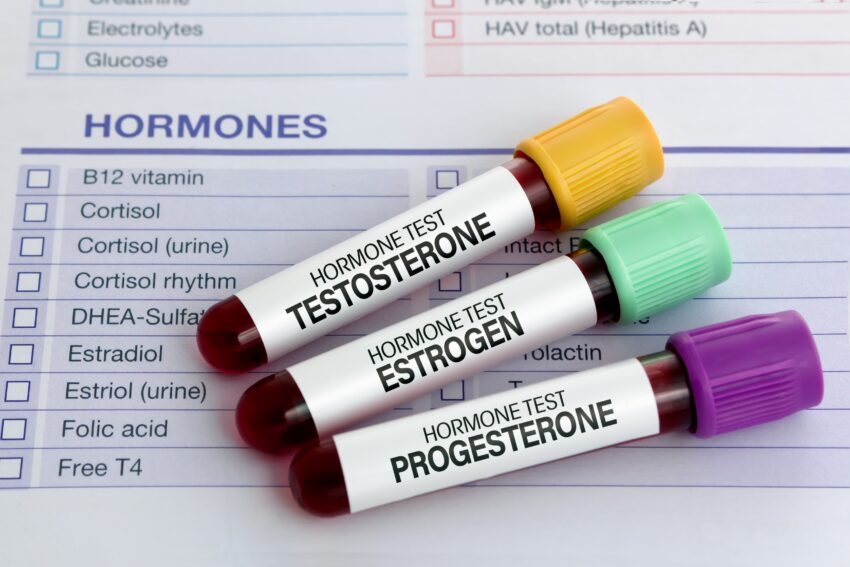
So Does a vasectomy lower testosterone levels? Levels? No, a vasectomy does not affect your testosterone levels or production. It simply blocks your body’s ability to release sperm during ejaculation. The hypothalamus and pituitary gland in the brain control the production and release of testosterone from the gonads, not the vas deferens.
If you are concerned about loss of testosterone production, you can get tested to find out if you are at risk. Cancer, stress, and an autoimmune disease, among other problems, can lead to a loss of testosterone. Getting tested will tell you whether you have a health condition that causes a loss of testosterone production.
Advantages:
- Perhaps the biggest advantage of the procedure is that it is minimally invasive, poses little risk in the form of post-operative complications and is 100% effective once healing is complete. The risk of an unplanned pregnancy drops to 0% provided you have completed the post-operative requirements and tests. As soon as it is determined that there are no sperm in your ejaculate, your doctor will give you the all-clear.
- The recovery period is two to three days, depending on your body’s response and your ability to rest without much exercise. Pain control usually consists of over-the-counter medication and ice.
- Another advantage of vasectomy is that it is reversible, although the chances of success tend to be low. However, the reversal procedure is about as easy as the original vasectomy, making it a viable option for restoring your fertility.
- When a vasectomy has healed, it is a complete sterilization. For women, it is more effective than a tube binding procedure. This means that you can have complete confidence that you will not be able to get pregnant and experience an unplanned pregnancy.
Disadvantages:
- Any time your body suffers damage, such as intentional damage from surgery, it responds with pain and swelling. However, the amount of cutting and cautery required for a vasectomy is minimal and results in minimal downtime afterwards.
- Pain in the scrotum may occur during an erection or when urinating. This is normal and will disappear within a few days. If you experience pain for longer than expected, you should see a doctor.
- Vasectomy only prevents pregnancy and does not protect against a sexually transmitted disease. If you find yourself in an unsafe situation with your partner, use a condom to avoid the risk of sexually transmitted infections.
- It takes weeks for the vasectomy to be considered complete and effective. The body needs to heal, and cauterizing the vas deferens takes time to close completely. If you want to participate with a partner before the all clear, you must use a condom to prevent pregnancy.
Diploma
A vasectomy is a very personal decision, but in terms of family planning it makes a lot of sense. The risk of complications is minimal, the procedure is quick and you can enjoy the effect of complete sterility with your partner(s).