In the world of digital marketing, driving traffic to your website is only half the battle. The real challenge is converting that traffic into leads, customers or sales.
This is where SEO analysis comes into play. By understanding how users find, interact with, and convert on your website, companies can refine their SEO strategies to improve both rankings and sales.
What is SEO Analytics?
SEO analysis is the process of collecting, analyzing, and interpreting data related to your website’s search engine performance. This includes tracking various metrics such as keyword rankings, organic traffic, bounce rates, time on site and, most importantly, conversions.
By analyzing this data, companies can see what is working in their SEO strategy and what needs to be improved. For example, if a page ranks well for a particular keyword but has a high bounce rate, this could be an indication that the content is not meeting users’ expectations.
Understanding SEO analytics allows businesses to make data-driven decisions that can increase traffic and conversions, resulting in a higher ROI (return on investment) for their SEO efforts. While many companies try to do keyword research themselves, they work with one SEO agency can offer significant benefits. SEO agencies have access to advanced tools and insights that allow them to uncover valuable, often overlooked insights that can increase traffic and conversions.
The importance of keywords in SEO
Keywords are the foundation of every successful SEO strategy. These are words or phrases that users enter into search engines when searching for products, services or information. By optimizing your site’s content based on relevant keywords, you increase the likelihood that your site will appear in search results when users search for those terms.
How to identify the right keywords
The process of identifying relevant keywords begins with keyword research. This involves using tools like Google Keyword Planner, Ahrefs or SEMrush to find the terms your target audience is searching for. These tools provide data on search volume, keyword difficulty, and competitiveness of specific keywords.
When choosing keywords, it is important to find a balance between high search volume and low competition. Long-tail keywords, which are more specific phrases like “best running shoes for flat feet,” tend to be less competitive and can result in higher conversion rates because they attract users who are closer to making a purchasing decision.
Tracking and analyzing user behavior
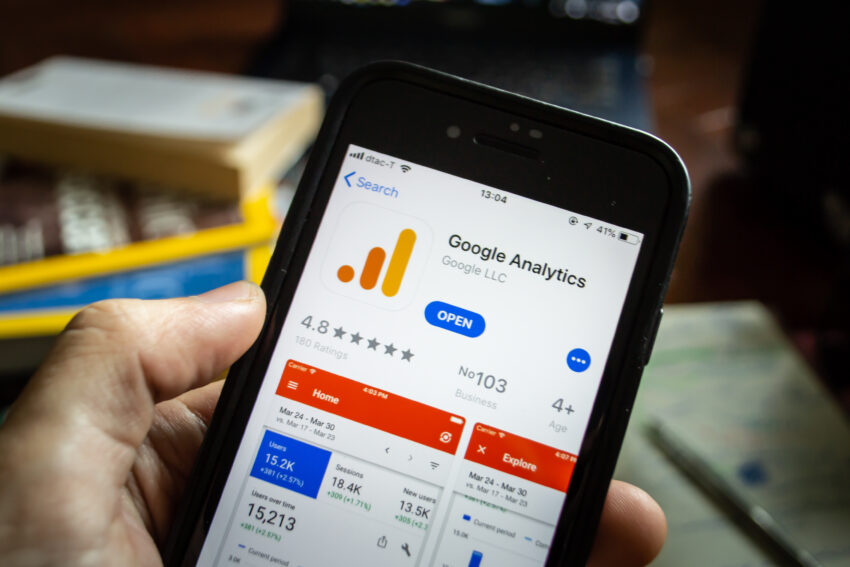
Once you’ve identified the right keywords and optimized your content, the next step is to track how users interact with your website. This is where analysis tools like Google Analytics come into play.
Important user behavior metrics to track
- Organic Traffic: This refers to the number of visitors who find your website through search engines. By monitoring organic traffic, you can measure the effectiveness of your SEO efforts.
- Bounce Rate: This measures the percentage of visitors who leave your website after viewing just one page. A high bounce rate can be an indication that your content is not relevant to the keyword you are targeting or that your website is not user-friendly.
- Average Session Duration: This metric shows how long users stay on your website. Longer session durations often indicate that users are engaging with your content.
- Pages per Session: This measures the average number of pages a user views during a single session. A higher number of pages per session indicates that users find your content valuable and continue exploring your site.
By analyzing these metrics, you can identify potential roadblocks that are preventing users from converting. For example, if a particular page has a high bounce rate, it may require better content, clearer calls to action, or faster loading speed.
Conversion tracking in SEO Analytics
are the ultimate goal of SEO. A conversion can be anything from a user filling out a contact form, making a purchase, signing up for a newsletter, or downloading a white paper. Tracking conversions is important for understanding the effectiveness of your SEO strategy.
How to set up conversion tracking
Tools like Google Analytics make it easy to set up and track conversions. You can define different types of conversions (called “goals” in Google Analytics), such as:
- Lead form submission
- Product purchases
- Newsletter subscriptions
- Downloads of resources (e.g. e‑books, case studies)
By setting up conversion tracking, you can see which keywords, pages, and traffic sources generate the most conversions. This data allows you to focus your efforts on the areas that deliver the best results, thereby optimizing your content and marketing strategy accordingly.
Conversion Rate Optimization (CRO)
Once you have enough conversion data, you can focus on conversion rate optimization (CRO). CRO involves making adjustments to your website to increase the percentage of visitors who convert. These adjustments could include:
- Improving website design and navigation
- Create clearer and more compelling calls to action
- Testing different landing page formats or offers
- Make sure your website is mobile friendly
CRO is an ongoing process and small tweaks can often lead to significant increases in conversion rates over time.
The Role of an SEO Agency in Managing SEO Analytics
While setting up and managing SEO analytics can be done in-house, many companies benefit from working with an SEO agency. An experienced SEO agency can help set up advanced tracking systems, interpret data, and make strategic adjustments to maximize conversions.
For example, an SEO agency can provide insights into why certain pages are not performing well, suggest content improvements, and implement technical SEO fixes that can improve user experience and search engine rankings. Additionally, agencies have access to the latest tools and SEO trendswhich can give companies a competitive advantage.
How to Use SEO Analytics to Refine Your Strategy
SEO is not a one-time effort but an ongoing process. To stay competitive, you must continually analyze your performance and refine your strategy. SEO analyzes help companies:
- Identify high-converting keywords: Conversion tracking allows you to see which keywords are driving the most valuable traffic and adjust your content accordingly.
- Improve underperforming pages: If certain pages have high bounce rates or low conversion rates, you can update the content, test different designs, or add new calls to action.
- Track the impact of algorithm updates: Search engine algorithms are constantly evolving. By monitoring your SEO analytics, you can identify when an algorithm update has impacted your website and adjust your strategy to mitigate any negative impact.
From keyword research to conversion tracking, SEO analysis is the key to turning your SEO efforts into tangible business results. By continually analyzing and optimizing your website’s performance, you can ensure that your SEO strategy not only drives traffic but also contributes to your bottom line.