

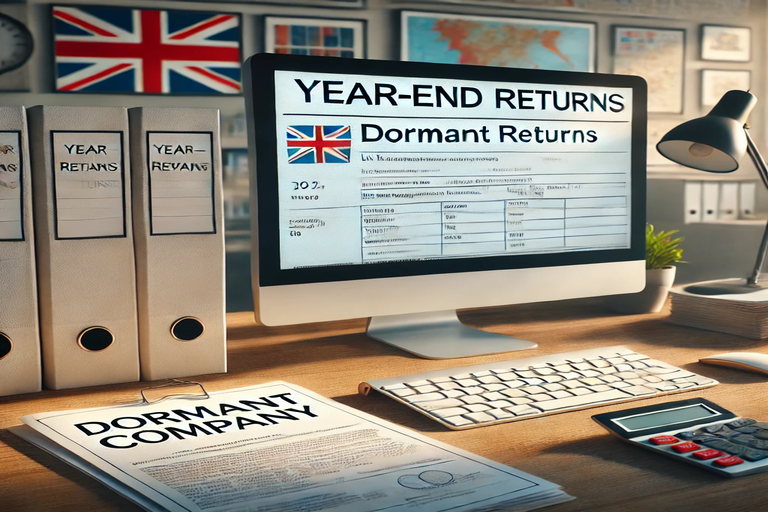
Steps to Establishing a is examined here through practical benefits, risks and decisions that readers can apply with reliable information and appropriate professional guidance.
Steps To Establishing A: Practical Overview
UK regulations allow you to establish a dormant company with minimal activity, serving various purposes from asset protection to maintaining a business name. If you’re considering this route, it’s crucial to understand the steps involved in setting up and managing a dormant company effectively. This guide will walk you through the necessary processes, ensuring that you comply with legal requirements while preserving your business’s potential for future activity. Follow these steps closely, and you’ll be well on your way to successfully establishing a dormant entity in the UK.
Eligibility Criteria
Business owners comparing structures can also review our guides to holding companies, UK company formation and Ireland company formation.
For anyone considering establishing a dormant company in the UK, it is crucial to understand the eligibility criteria that must be met. A dormant company is a business that is not engaged in any significant trading activities. This means that it has no income, no ongoing transactions, and does not prepare financial statements. Your company will be classified as dormant if it has not received any trading income during the financial year, nor has it incurred significant expenses, aside from regulatory costs such as accounting or registration fees.
Definition of a Dormant Company
An entity is considered dormant once it has ceased all trading activities. This includes selling goods, providing services, or any other business operations that generate revenue. It is important to note that even certain financial transactions, such as receiving interest or dividends, can affect a company’s dormant status. Therefore, you must ensure that your company meets the criteria for being classified as dormant according to the UK’s Companies Act.
Furthermore, to maintain dormant status, your company must adhere to filing obligations with Companies House. You are required to submit annual confirmation statements and other necessary documents, indicating that there has been no change in its status. Keeping clear records is vital, as this will demonstrate your compliance with the regulations governing dormant companies.
Reasons for Setting Up a Dormant Company
To establish a dormant company, you may have various motivations. One common reason is to reserve a business name that you intend to use in the future without engaging in ongoing business activities. This can be especially useful if you have plans or ideas that you want to develop later but are not ready to launch yet. Additionally, setting up a dormant company can help protect your intellectual property and branding while you are in a planning phase.
For instance, individuals often opt for a dormant company to safeguard their unique business name or to hold assets without incurring significant tax implications. This allows you flexibility in your business strategy while ensuring that you maintain control over your company’s identity. Moreover, a dormant company can serve as a strategic move for future investments, paving the way for smooth transitions when you decide to become operational.
Choosing a Business Structure
Independent reference material is available from UK government, OECD, European Commission.
It is crucial to select the right business structure when establishing a dormant company in the UK. The main types of business structures that you can consider are sole trader and limited company. Each structure has its own implications for liability, taxation, and ease of setup, which can greatly affect your future plans for the dormant business. You have to weigh each option carefully to choose the one that aligns with your goals and circumstances.
Sole Trader vs. Limited Company
Any decision you make regarding your business structure will define how you manage your finances and obligations. As a sole trader, you have complete control over your business, but you are also personally liable for any debts or obligations incurred. This means that your personal assets could be at risk should your dormant company experience financial issues. On the other hand, a limited company offers you limited liability, meaning your personal assets are generally protected from the company’s debts. However, it comes with more regulatory requirements and obligations, which can indeed complicate matters.
Advantages of a Limited Company for a Dormant Business
Dormant limited companies have specific advantages that can make this structure appealing. First and foremost, you benefit from limited liability, which safeguards your personal assets in the event of any legal disputes or challenges related to the company. Additionally, operating as a limited company can enhance your credibility with suppliers and potential partners, giving them assurance of your legitimacy and professionalism. Furthermore, you can retain the option of reactivating your company in the future without incurring personal risk.
Business ownership can also lend certain tax advantages when operated as a limited company. Even if your company remains dormant, you may have opportunities for tax efficiency that wouldn’t be available to you as a sole trader. For instance, any profits generated can potentially be reinvested tax-free and certain tax allowances can be utilized more effectively within a limited company framework. This structure may be particularly advantageous if you want to ensure the long-term viability of your dormant business without exposing your personal finances to unnecessary risk.
Registering with Companies House
For complementary reporting and analysis, readers can also visit Michael Schmitt, Trider and the Malta Business Report.
Some key steps must be followed to successfully register your dormant company with Companies House. This process is vital as it ensures that your company is legally recognized and that you comply with the regulatory requirements set forth by the UK government. By properly registering, you can secure your business name and establish a legal entity that can remain inactive until you’re ready to trade or take further action.
Filing the Necessary Documents
Documents required for the registration process include Form IN01, which provides details such as your company’s name, registered office, and particulars of the directors and shareholders. Ensuring that this form is accurately completed is crucial, as any errors or omissions can lead to delays or complications in your registration. Additionally, you’ll need to provide information about your proposed company’s activities, even though, as a dormant company, you may not engage in significant trading.
Furthermore, you are required to provide the Memorandum and Articles of Association, which outline the rules governing your company and the rights of its shareholders. By preparing these documents correctly, you set a solid foundation for your dormant company and demonstrate compliance with the Companies Act 2006.
Obtaining a Certificate of Incorporation
On successful submission of your application, Companies House will process your registration and, if everything is in order, will issue you a Certificate of Incorporation. This document serves as official proof that your company has been formed under UK law and includes important details such as your company number and date of incorporation. It is crucial to keep this certificate safe, as it will be needed for future reference or when managing your company.
Registering for a Certificate of Incorporation typically takes just a few days when done online, while postal applications may take longer to process. Once you have this certificate, your company is officially recognized, even if it remains dormant for the time being. Keeping your registration updated and compliant with Companies House regulations will ensure you avoid any penalties or legal issues in the future.
Appointing Directors and Shareholders
Unlike some other company structures, a dormant company in the UK requires you to appoint at least one director and have at least one shareholder. The directors manage the company’s affairs, while the shareholders own it. It’s necessary to understand the roles and responsibilities associated with these positions as you establish your dormant company.
Roles and Responsibilities of Directors
With the appointment of directors, you assume a degree of legal and financial responsibility for your dormant company. The role primarily involves ensuring that the company complies with its statutory obligations, such as filing annual returns and maintaining accurate records. Although your company is dormant, you must still adhere to these requirements to avoid any legal repercussions. Directors are also expected to act in the best interests of the company, even if it is not currently trading.
Additionally, directors are responsible for overseeing the company’s affairs and making decisions that could affect your business in the future. This may include engaging with accountants or advisors to ensure all financial records are properly kept, especially if a business activity occurs later. Therefore, your role as a director should be taken seriously, even if your company remains dormant for an extended period.
Share Capital and Shareholder Rights
Responsibilities for your dormant company extend to shareholders as well. Each shareholder has rights that can include the ability to vote at general meetings, rights to dividends, and, in certain scenarios, entitlements if the company is wound up. Therefore, when establishing your dormant company, you should carefully consider the amount of share capital you want to issue and how it reflects your future business intentions.
Directors must also be aware of the financial implications and legal stipulations surrounding share capital. The minimum amount of share capital in the UK for issuing shares is typically £1, but you can issue more if you plan to raise funds in the future. Understanding the nuances of shareholder rights is vital, as these entail not just ownership stakes but also the power to shape the direction of the company. By establishing clear agreements within your company’s governance documents, you can better allocate these rights and responsibilities among your shareholders.
Registering for Taxes
Despite the fact that your company is dormant, you still need to adhere to certain tax regulations set by HM Revenue and Customs (HMRC). This involves understanding your responsibilities regarding Corporation Tax and VAT registration. Being proactive in these areas can save you from potential penalties and ensure you remain compliant with UK law.
Corporation Tax and VAT Registration
Any company, even if it is dormant, must inform HMRC that it does not have any taxable income. If your dormant company has not engaged in any trading activities, you should not need to register for Corporation Tax. However, upon registering your company with Companies House, you will automatically receive a Corporation Tax Unique Taxpayer Reference (UTR) within a few weeks. You must ensure to inform HMRC that your company is dormant and that it does not need to file a Corporation Tax return.
As for VAT registration, you typically do not need to register for VAT if your company is dormant because VAT is linked to business trading activities. It’s crucial to monitor your company’s activities as any trading conducted will necessitate a VAT registration once you hit the threshold. Nevertheless, if you decide to start trading, you will need to register for VAT depending on your revenue.
HMRC Requirements for Dormant Companies
For a company to maintain its dormant status, you have to adhere strictly to HMRC requirements. You need to confirm that you have not received any income during your accounting period and that your business activities have been limited to maintenance and administrative tasks. This means you do not engage in buying and selling products or services that generate revenue.
To keep HMRC updated, you must submit an annual confirmation statement (previously known as an annual return) and dormant company accounts to Companies House. These accounts are a simplified version and indicate that the company has not traded during the accounting period. By ensuring you meet these obligations, you safeguard your dormant status and protect yourself against potential fines or strikes off from the register.
Maintaining Dormant Company Status
Not all companies can simply maintain dormant status without proper guidance and adherence to specific regulations. To keep your dormant company compliant with UK law, you must pay attention to vital obligations, including the preparation of annual accounts and filings with Companies House. Failure to properly prepare and submit these documents can result in penalties and the potential striking off of your company.
Annual Accounts and Confirmation Statement
The first step in maintaining your dormant company status is ensuring that you submit your annual accounts. While dormant companies are required to file abbreviated accounts that demonstrate no significant financial activity, it is crucial to do this on time to avoid fines. Additionally, you must file an annual Confirmation Statement. This document reaffirms the details of your company and attests to your ongoing commitment to abide by all legal requirements for dormant status.
Both documents should be submitted to Companies House annually, and you need to be vigilant about deadlines. Ignoring these obligations might not only lead to financial penalties but could also jeopardize your company’s dormant status, which you are working hard to maintain. Regular checks and reminders can help ensure that you meet all requirements promptly.
Avoiding Trading Activities
Activities that are associated with trading can jeopardize your dormancy status. It is crucial that you avoid any transactions or business activities that might classify your company as active. This includes generating income, making sales, or incurring any form of liabilities. Any level of trading activity will strip your company of its dormant status, making it subject to full accounting regulations.
Status can only be preserved through a clear understanding and strict adherence to the definition of a dormant company in the UK. This typically means that your company should not engage in any business transactions beyond maintaining its legal existence. Keep communication to a minimum and focus on vital activities like meeting your filing obligations to ensure that your dormant company remains compliant with the law. By doing this, you can successfully maintain your dormant status and avoid unnecessary complications in the future.
Summing up
Conclusively, establishing a dormant company in the UK involves a clear understanding of the necessary steps and regulations. You must first choose a unique name for your company, ensure it meets the criteria for being dormant, and register it with Companies House. Understanding the financial implications and obligations is crucial—such as maintaining annual accounts and confirming your company’s dormant status through official filings. By adhering to these guidelines, you can successfully create a dormant company that meets your strategic needs without engaging in active trading.
In addition, it is imperative to maintain accurate records and stay informed about any changes in legislation that could impact your dormant status. You should also keep in mind the potential benefits of a dormant company, such as preserving a brand name or planning for future business ventures. By carefully following the outlined steps and continuously monitoring your company’s status, you can ensure that your dormant company remains compliant and ready for any future opportunities you may wish to pursue.
Steps To Establishing A: Seven Key Considerations
1. Steps To Establishing A Consideration
Steps to Establishing a starts with a clear objective and evidence relevant to the decision.
2. Steps To Establishing A Consideration
Steps to Establishing a should be assessed against measurable practical or commercial outcomes.
3. Steps To Establishing A Consideration
Steps to Establishing a requires accurate information and responsible ownership of each action.
4. Steps To Establishing A Consideration
Steps to Establishing a works best when risks and alternatives are reviewed before implementation.
5. Steps To Establishing A Consideration
Steps to Establishing a benefits from regular monitoring as circumstances and regulations change.
6. Steps To Establishing A Consideration
Steps to Establishing a should remain proportionate to the needs of the people or business involved.
7. Steps To Establishing A Consideration
Steps to Establishing a may require specialist advice where legal, financial or technical duties apply.

