

Fears grow as Harland is examined here through practical benefits, risks and decisions that readers can apply with reliable information and appropriate professional guidance.
Fears Grow As Harland: Practical Overview
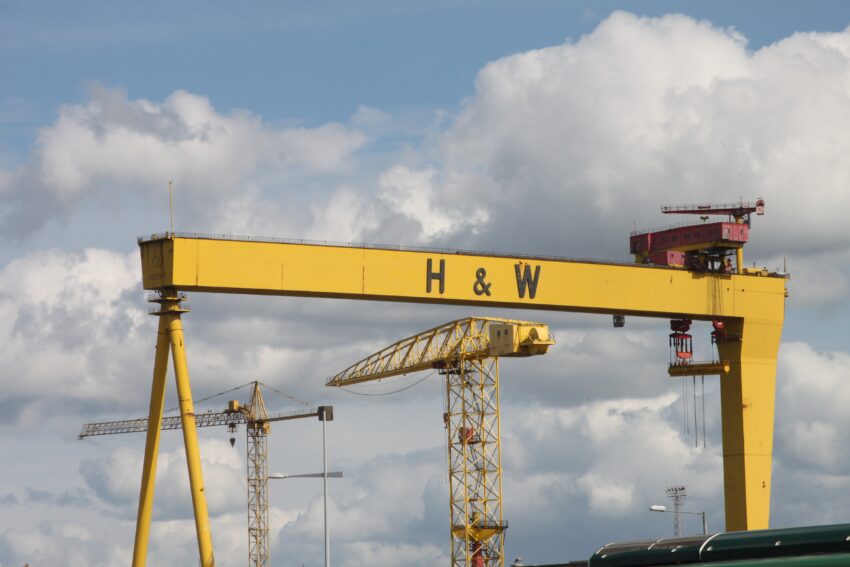
Harland & Wolff, the historic Belfast shipyard known for building the Titanic, is on the verge of bankruptcy, jeopardizing a £1.6bn contract to build three Royal Navy warships.
For complementary reporting and analysis, readers can also visit Michael Schmitt, Trider and the Malta Business Report.
Independent reference material is available from UK government, OECD, European Commission.
Business owners comparing structures can also review our guides to holding companies, UK company formation and Ireland company formation.
The troubled shipyard, which is expected to file for bankruptcy as early as Monday, faces a cash crunch until the end of this month, raising fears that the fleet solid support ships (FSS) may be built overseas — a Premiere for the Royal Navy warships.
The government crisis threatens to invalidate Harland & Wolff’s contract to assemble the ships, which are crucial to supporting Britain’s aircraft carriers on missions around the world. Although company bosses maintain that Harland & Wolff Holdings Plc’s bankruptcy will have no impact on operations at its shipyards, there are concerns that the contract may have to be re-tendered.
Industry experts warn that the situation could force the Ministry of Defense (MoD) to rely on Navantia, the Madrid-based main contractor that has been working with Harland & Wolff, to complete the work in Spain. This would mark a significant departure from the British tradition of building its warships domestically.
Harland & Wolff had planned to share the production of the ships’ hulls with Navantia and to carry out final assembly in Belfast. However, insiders say the government could lead to Navantia taking over Harland & Wolff’s shipyard in Belfast and possibly also axing its other sites in Appledore, Devon and Arnish and Methil in Scotland — a move unions fear it could lead to significant job losses.
The GMB union has called on the government not to allow potential buyers to “cherry pick” Harland & Wolff’s assets, arguing that all four sites play an important role in the UK’s defense and renewable energy sectors. Matt Roberts, GMB national officer, warned that losing the contract would represent “one of the greatest betrayals in Northern Ireland’s industrial history”.
Russell Downs, the restructuring expert recently appointed chairman of Harland & Wolff, insists that all four sites remain viable and the company is still able to fulfill its share of the Navy contract. However, the uncertainty has led to calls for alternative arrangements, such as a deal with other UK shipyard operators such as BAE Systems and Babcock, which were previously in the running for the contract.
Francis Tusa, an independent defense consultant, criticized the Defense Department’s decision to award the contract to Harland & Wolff and Navantia in 2022, pointing out that Harland & Wolff has not built a full-size ship in about 20 years. He expressed doubts about the shipyard’s ability to handle such a significant project and described the decision as overly optimistic.
Labor politician Lord Beamish called on ministers to come up with a rescue plan for the FSS scheme. He stressed the importance of adhering to the national shipbuilding strategy and ensuring that ships are built in the UK to support the revival of domestic shipbuilding. He highlighted the crucial role of support ships for the Royal Navy, calling them “critically important”.
Harland & Wolff’s financial problems deepened after Business Secretary Jonathan Reynolds declined to back a £200m refinancing request in July, saying the risk of losing taxpayers’ money was high. To further complicate the situation, the company recently announced it was investigating a possible “misuse” of £25m of company funds under previous administration. Former CEO John Wood, who was ousted in July, dismissed the accusation as “ridiculous.”
The government has said it is working hard with all parties to find a solution that preserves British shipbuilding and protects jobs. However, it considers that the market is best suited to deal with the crisis and that public financing would entail a significant risk of financial losses. A government spokesman urged all parties to engage with unions before making any further decisions, acknowledging workers’ concerns about ongoing uncertainty.
With the future of Harland & Wolff at stake, the potential consequences go beyond job losses and have significant implications for the UK’s defense capabilities and industrial strategy. The crisis highlights the challenges of sustaining domestic shipbuilding in a competitive global market and the need for a coordinated response to protect the industry’s heritage and future.
Jamie Young
Jamie is an experienced business journalist and senior reporter at Business Matters, bringing over a decade of experience covering UK SME business. Jamie has a degree in business administration and regularly attends industry conferences and workshops to stay up to date with new trends. When Jamie isn’t covering the latest business developments, he is passionate about mentoring aspiring journalists and entrepreneurs, sharing their wealth of knowledge to inspire the next generation of business leaders.
Fears Grow As Harland: Seven Key Considerations
1. Fears Grow As Harland Consideration
Fears grow as Harland starts with a clear objective and evidence relevant to the decision.
2. Fears Grow As Harland Consideration
Fears grow as Harland should be assessed against measurable practical or commercial outcomes.
3. Fears Grow As Harland Consideration
Fears grow as Harland requires accurate information and responsible ownership of each action.
4. Fears Grow As Harland Consideration
Fears grow as Harland works best when risks and alternatives are reviewed before implementation.
5. Fears Grow As Harland Consideration
Fears grow as Harland benefits from regular monitoring as circumstances and regulations change.
6. Fears Grow As Harland Consideration
Fears grow as Harland should remain proportionate to the needs of the people or business involved.
7. Fears Grow As Harland Consideration
Fears grow as Harland may require specialist advice where legal, financial or technical duties apply.

