

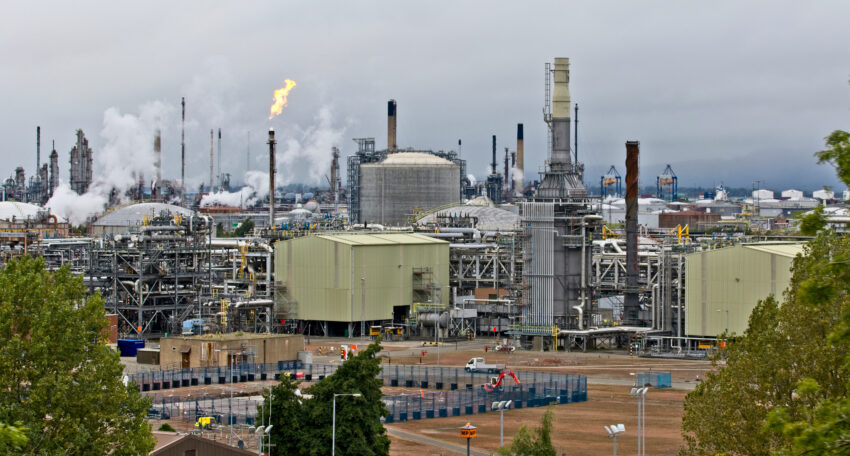
The Grangemouth oil refinery is examined here through practical benefits, risks and decisions that readers can apply with reliable information and appropriate professional guidance.
The Grangemouth Oil Refinery: Practical Overview
Scotland’s last remaining oil refinery at Grangemouth will close between April and June next year, resulting in the loss of 400 jobs and leaving just a handful of refineries left in the UK.
For complementary reporting and analysis, readers can also visit Michael Schmitt, Trider and the Malta Business Report.
Independent reference material is available from UK government, OECD, European Commission.
Business owners comparing structures can also review our guides to holding companies, UK company formation and Ireland company formation.
The closure announced by Petroineos — a joint venture between Sir Jim Ratcliffe’s Ineos and PetroChina — comes as domestic demand for fuel declines, compounded by the impending ban on new petrol and diesel cars.
Frank Demay, chief executive of Petroineos Refining, said demand for the key fuels produced at Grangemouth had already begun to decline. “With a ban on new gasoline and diesel cars set to come into effect over the next decade, we expect the market for these fuels to shrink,” Demay said. The company cited the cost of maintaining a refinery built nearly a century ago as a key factor in the decision.
The announcement sparked criticism from politicians and unions. British Energy Secretary Ed Miliband expressed deep disappointment, while his Scottish counterpart Gillian Martin and union leaders condemned the decision as “industrial vandalism”. Grangemouth currently has around 14% of the UK’s total refining capacity, supplying fuels and other products across Scotland and northern England. Although the UK remains a net exporter of petrol, it relies on imports of diesel and jet fuel.
To mitigate the impact of the closure, Petroineos plans to establish an import and export fuel terminal at the site to ensure continued supply to gas stations and other customers. The refinery faces ongoing financial challenges and has posted losses of $775 million since 2011 despite a $1.2 billion investment. The aging infrastructure, which originally opened in 1924, is less efficient than that of overseas rivals and will require an additional £40 million to remain operational beyond next spring.
About 75 workers will remain to operate the new terminal, while up to 280 jobs will be lost in the three months following closure. An additional 100 staff will stay for up to a year to begin decommissioning, with a small number staying longer to oversee further decommissioning and demolition work.
The UK and Scottish governments have commissioned studies to examine potential future uses for the refinery. Options include hydrogen, biofuels and sustainable aviation fuel. However, it is unlikely that these alternatives will be implemented before the refinery closes. In response, governments have announced a joint investment plan that will increase the previously announced £80m Falkirk and Grangemouth growth deal by £20m and aims to fund new growth projects in the area. The UK government also plans to use its National Wealth Fund to support alternative uses for the refinery site.
The closure is expected to have a significant impact across the economy, affecting many small businesses that rely on the refinery. Hisashi Kuboyama, from the Federation of Small Businesses in Scotland, highlighted the wider implications, warning that “the knock-on effect on the supply chain will impact numerous small businesses across the country, creating many more jobs than the 400 locally at risk.” “
Sharon Graham, general secretary of Unite union, criticized both Petroineos and politicians for failing to protect workers until alternative employment opportunities are secured. “This dedicated workforce has been let down by Petroineos and politicians at Westminster and Holyrood who have failed to guarantee production until alternative jobs are in place,” Graham said. She called on the Labor government to demonstrate its commitment to workers and communities, adding: “The path to net zero cannot be paid for with workers’ jobs.”
The decision to close the refinery has no direct impact on other petrochemical operations at the Grangemouth complex, which continue to operate. However, the closure represents a significant shift in the UK energy landscape, further increasing the country’s reliance on imported fuel and raising questions about the future of the site and the community that depends on it.
Jamie Young
Jamie is an experienced business journalist and senior reporter at Business Matters, bringing over a decade of experience covering UK SME business. Jamie has a degree in business administration and regularly attends industry conferences and workshops to stay up to date with new trends. When Jamie isn’t covering the latest business developments, he is passionate about mentoring aspiring journalists and entrepreneurs, sharing their wealth of knowledge to inspire the next generation of business leaders.
The Grangemouth Oil Refinery: Seven Key Considerations
1. The Grangemouth Oil Refinery Consideration
The Grangemouth oil refinery starts with a clear objective and evidence relevant to the decision.
2. The Grangemouth Oil Refinery Consideration
The Grangemouth oil refinery should be assessed against measurable practical or commercial outcomes.
3. The Grangemouth Oil Refinery Consideration
The Grangemouth oil refinery requires accurate information and responsible ownership of each action.
4. The Grangemouth Oil Refinery Consideration
The Grangemouth oil refinery works best when risks and alternatives are reviewed before implementation.
5. The Grangemouth Oil Refinery Consideration
The Grangemouth oil refinery benefits from regular monitoring as circumstances and regulations change.
6. The Grangemouth Oil Refinery Consideration
The Grangemouth oil refinery should remain proportionate to the needs of the people or business involved.
7. The Grangemouth Oil Refinery Consideration
The Grangemouth oil refinery may require specialist advice where legal, financial or technical duties apply.

