Effective Roadshows for Attracting is examined here through practical benefits, risks and decisions that readers can apply with reliable information and appropriate professional guidance.
Effective Roadshows For Attracting: Practical Overview
Over the years, the OTC market has become a promising avenue for investors looking beyond traditional exchanges. In this blog post, we will investigate into the art of conducting effective roadshows to attract investors in the OTC market. Roadshows can be powerful tools for showcasing your company’s potential and values, but maximizing their impact requires a strategic approach. Let’s uncover key tactics and best practices to make your roadshow a success in captivating OTC market investors.
Defining OTC Market Investors
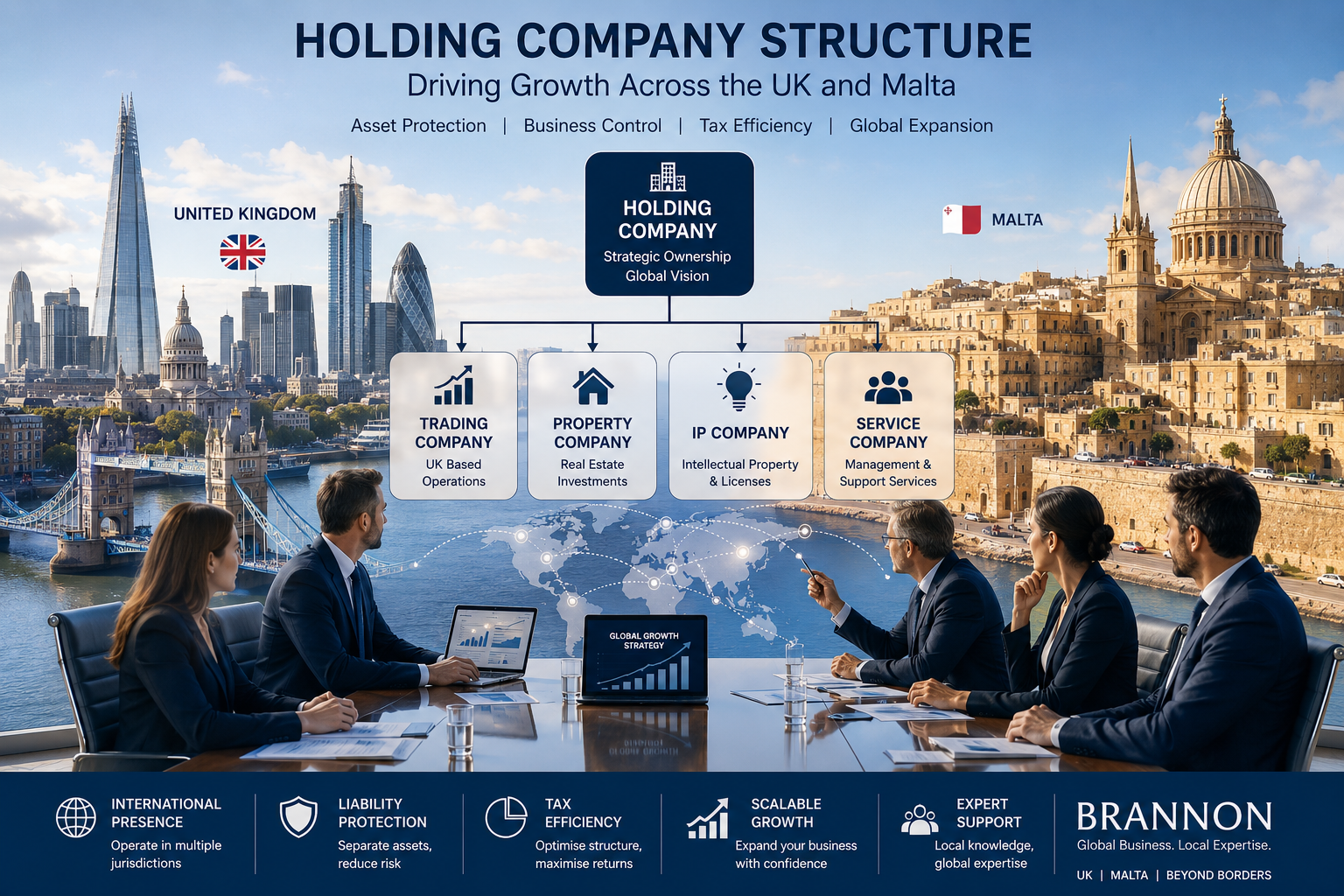
Business owners comparing structures can also review our guides to holding companies, UK company formation and Ireland company formation.
Characteristics of OTC Market Investors
A key aspect to consider when planning roadshows to attract OTC market investors is understanding their unique characteristics. OTC market investors often include individuals or smaller institutions looking for investment opportunities that may not be available on major exchanges. They tend to be more risk-tolerant and willing to explore emerging markets or companies with growth potential.
What Drives Their Investment Decisions
Understanding what motivates OTC market investors to make investment decisions is crucial for designing effective roadshows. OTC market investors are often driven by the desire to discover undervalued assets or companies with significant growth prospects. They may also be influenced by market trends, industry news, and expert recommendations when making their investment choices.
Drives such as the potential for high returns, strategic partnerships, and the company’s competitive advantage can also play a significant role in attracting OTC market investors. It is important to showcase these driving factors during roadshows to capture the attention and interest of potential investors.
The Importance of Roadshows
Independent reference material is available from Financial Conduct Authority, U.S. Securities and Exchange Commission, OECD finance resources.
Assuming you want to attract OTC market investors to your company, hosting roadshows can be a powerful tool in your investor relations strategy. Roadshows provide a unique opportunity for company executives to connect directly with potential investors, showcasing the company’s strengths, vision, and growth potential.
Building Relationships and Trust
Importance of building relationships and trust through roadshows cannot be overstated. Meeting face-to-face with investors allows them to ask questions, gain a better understanding of the company, and develop trust in the management team. By establishing personal connections, investors are more likely to feel confident in their investment decisions, leading to long-term partnerships.
Showcasing Company Value and Potential
One of the key benefits of roadshows is the opportunity to showcase the value and potential of your company to a targeted audience. Through presentations, Q&A sessions, and one-on-one meetings, you can highlight your company’s unique selling points, growth strategies, and financial performance. By effectively presenting this information, you can attract investors who share your vision and are interested in being part of your company’s future success.
A well-executed roadshow can be a game-changer for your company, allowing you to not only attract OTC market investors but also build a strong investor base that believes in your company’s potential for long-term growth. By utilizing roadshows as a strategic tool in your investor relations efforts, you can effectively communicate your company’s value proposition, engage with potential investors, and ultimately drive investment in your business.
Preparing for a Successful Roadshow
For complementary reporting and analysis, readers can also visit Michael Schmitt, Trider and the Malta Business Report.
There’s no doubt that a successful roadshow requires thorough preparation. One key aspect of this preparation is researching and identifying target investors who are likely to be interested in your offering. Understanding the investment preferences, history, and risk tolerance of potential investors can help tailor your pitch to align with their needs and interests.
Researching and Identifying Target Investors
For a successful roadshow, it is necessary to conduct in-depth research to identify the right investors for your OTC market offering. This involves analyzing past investments, evaluating their sector preferences, and understanding their investment criteria. By targeting investors who are already interested in similar opportunities, you increase the chances of attracting their attention and securing their investment.
Crafting a Compelling Pitch and Presentation
To captivate potential investors during your roadshow, crafting a compelling pitch and presentation is crucial. Your pitch should clearly communicate your value proposition, financial performance, growth potential, and exit strategies. Using visuals, testimonials, and real-life examples can help make your presentation more engaging and memorable, increasing the likelihood of investor interest.
With only a limited amount of time to make an impression, it’s important to fine-tune your pitch to highlight what sets your offering apart and why it is an attractive investment opportunity. By focusing on key differentiators and effectively communicating the potential returns, you can pique the interest of potential investors and leave a lasting impact.
Developing a Strong Investor Deck
Essential Slides and Content
Developing an investor deck for your OTC market roadshow requires careful thought and planning. Including crucial slides and content is crucial to effectively communicate your company’s value proposition to potential investors. Key slides to consider are an engaging cover slide introducing your company, a comprehensive overview of your business model, financial highlights, market opportunity, competitive landscape, and a clear ask or investment opportunity slide.
Design and Visual Storytelling Best Practices
The design and visual storytelling of your investor deck play a significant role in capturing investors’ attention and conveying your message effectively. Ensure that your deck has a clean and professional design, uses consistent branding elements, incorporates visual aids such as charts and graphs to illustrate key data points, and utilizes impactful imagery to enhance storytelling. Recall, simplicity is key – avoid cluttered slides and focus on delivering a clear and compelling narrative.
The visual elements of your investor deck, such as color schemes, fonts, and imagery, should align with your company’s brand identity and convey professionalism and credibility. Consistency in design throughout the presentation helps create a cohesive visual story that reinforces your key messages and builds investor confidence in your company. Consider consulting with graphic design professionals to create a visually appealing and impactful investor deck that resonates with your target audience.
Best Practices
When designing your investor deck, keep in mind that less is often more. Focus on highlighting key information and data points that are crucial for investors to understand your company’s value proposition and growth potential. Use visuals strategically to simplify complex concepts and make your presentation more engaging and memorable. Recall, your goal is to spark interest and generate meaningful conversations with potential investors during your roadshow presentations.
Rehearsing and Refining Your Pitch
Once again, the key to a successful roadshow lies in the preparation and refinement of your pitch. As you gear up for your roadshow presentations, it is crucial to anticipate potential questions and concerns that investors may have.
Anticipating Questions and Concerns
Pitching to OTC market investors requires a deep understanding of the market and your company. Anticipate questions about your company’s financial health, growth prospects, competitive landscape, and potential risks. Addressing these concerns confidently and transparently can help build credibility and trust with potential investors.
Delivering a Confident and Convincing Performance
The way you deliver your pitch is just as important as the content itself. Confidence is key when presenting to investors. Practice your pitch until you can deliver it smoothly and confidently. Maintain eye contact, use engaging visuals, and project your voice with conviction.
The way you present yourself can significantly impact how your pitch is received. Investors are not just investing in your company, but also in you as a leader. Showcasing confidence and conviction in your presentation can help instill trust and faith in your ability to deliver on your promises.
Choosing the Right Roadshow Format
In-Person vs. Virtual Roadshows
Your choice between an in-person or virtual roadshow can significantly impact the success of attracting OTC market investors. The right format depends on various factors such as your target audience, budget, and the current market trends. In-person roadshows allow for face-to-face interactions, which can build trust and rapport with potential investors. On the other hand, virtual roadshows offer greater reach and convenience, allowing you to connect with a broader audience without the constraints of location.
One-on-One Meetings vs. Group Presentations
Any roadshow strategy should consider the benefits of one-on-one meetings versus group presentations. One-on-one meetings provide a personalized experience, allowing you to tailor your pitch to individual investors’ needs and interests. On the other hand, group presentations can be more efficient in reaching a larger audience at once, maximizing your exposure and potentially generating more interest in your OTC market offering.
To determine the most effective approach, consider mixing both one-on-one meetings and group presentations in your roadshow strategy. This hybrid approach can help you engage with investors on a personal level while also reaching a broader audience through more scalable presentations.
Scheduling and Logistics
Coordinating with Investors and Scheduling Meetings
All successful roadshows rely on effective coordination with potential investors and scheduling meetings in a timely manner. For a roadshow targeting OTC market investors, it is crucial to have a clear understanding of their preferences and availability. Reach out to investors well in advance to secure meeting slots and ensure that your roadshow aligns with their schedules. Utilize technology tools to streamline the scheduling process and make it convenient for both parties. Keeping open lines of communication and flexibility will help maximize opportunities for engagement during your roadshow.
Managing Travel and Accommodations
Logistics play a significant role in the success of your roadshow. Managing travel arrangements and accommodations for your team is vital to ensure smooth operations throughout the roadshow. Consider factors such as proximity to investor locations, ease of transportation, and the overall convenience of the accommodations. Prioritize comfort and efficiency to keep your team refreshed and focused during the roadshow. Additionally, having a contingency plan in place for any unexpected changes or delays will help you navigate any logistical challenges that may arise.
This subsection focuses on the detailed planning required to manage travel and accommodations effectively during an OTC market roadshow. From booking transportation to securing suitable accommodations, each aspect contributes to the overall success and smooth operation of your roadshow. By paying attention to these logistical details, you can create a positive and productive experience for both your team and the investors you are targeting.
Effective Communication Strategies
Building Rapport and Establishing Credibility
Credibility is crucial when it comes to attracting OTC market investors. Building rapport with potential investors is crucial in establishing trust and credibility. To achieve this, make sure to be genuine and authentic in your interactions. Show a sincere interest in their needs and concerns, and demonstrate transparency in your communication.
Active Listening and Addressing Concerns
Rapport is built through active listening and effectively addressing the concerns of potential investors. Take the time to listen attentively to their questions and feedback. By showing that you value their input and are willing to address any concerns they may have, you can foster a positive relationship and increase their trust in your company.
Communication is key to a successful roadshow. Ensure that your presentation is clear, concise, and engaging. Use language that is easy to understand and convey your message effectively. Be prepared to answer any questions that arise and be open to feedback. By being responsive and engaging in your communication, you can attract and retain OTC market investors.
Handling Objections and Criticisms
Many roadshow presentations face objections and criticisms from potential investors. It is necessary to be prepared to address these concerns effectively to maintain credibility and attract OTC market investors.
Anticipating and Addressing Common Concerns
Addressing potential objections and criticisms requires thorough preparation and understanding of the OTC market landscape. Common concerns investors may have include liquidity issues, volatility, regulatory risks, and transparency of OTC stocks. By proactively addressing these concerns in your roadshow presentation, you can instill confidence in potential investors and demonstrate your knowledge of the market.
Turning Negatives into Positives
Handling objections and criticisms in a roadshow can be an opportunity to turn negatives into positives. By acknowledging concerns and offering solutions or alternative perspectives, you can show adaptability and problem-solving skills. For example, if an investor raises a liquidity concern, you can highlight the potential for higher returns in OTC markets and how diversification can mitigate risk. It’s necessary to remain positive and showcase the benefits of investing in OTC stocks.
This approach not only addresses concerns but also allows you to showcase your expertise and ability to navigate challenges effectively. By reframing objections as opportunities for discussion and learning, you can build trust with potential investors and increase interest in your OTC offerings.
Following Up and Follow-Through
Post-Roadshow Communication and Updates
To ensure the success of your roadshow efforts in attracting OTC market investors, it is crucial to follow up with attendees promptly. Sending out thank you emails, providing any additional information requested during the roadshow, and keeping investors informed about any developments or updates related to your company are vital steps. This communication helps maintain the interest generated during the roadshow and keeps your company top of mind for potential investors.
Building Long-Term Relationships
For a successful roadshow, it is important to focus not just on the immediate goal of attracting investors but also on building long-term relationships. By staying in touch with investors after the roadshow, providing regular updates on your company’s progress, and engaging with them through various communication channels, you can nurture these relationships over time. This approach can turn one-time investors into long-term supporters of your company and potentially lead to future investments.
Building long-term relationships with OTC market investors requires consistent effort and dedication. By maintaining open lines of communication, being transparent about your company’s performance, and showing a genuine interest in investors’ concerns and feedback, you can establish trust and credibility. These relationships can prove invaluable not only in terms of attracting investments but also in gaining valuable insights and support for your company’s growth and success.
Follow-through is key in the world of OTC market investments. By consistently delivering on promises made during the roadshow, providing updates on milestones achieved, and demonstrating a proactive approach to investor relations, you can build a reputation for reliability and trustworthiness. This can set your company apart in the competitive OTC market landscape and position you as a dependable choice for potential investors seeking long-term opportunities.
Measuring Roadshow Success
Setting Clear Goals and Objectives
Now, one of the key factors in measuring the success of a roadshow is setting clear goals and objectives from the outset. Before commenceing on the roadshow, it’s important for the company to outline what they hope to achieve through this marketing strategy. Whether it’s increasing brand awareness, attracting new investors, or showcasing a new product or service, having defined goals will provide a benchmark for evaluating the roadshow’s effectiveness.
Tracking Progress and Evaluating Results
With the goals and objectives in place, the next step is to track progress and evaluate the results. This can be done through metrics such as the number of investor meetings scheduled, the level of investor engagement during presentations, or the increase in trading volume following the roadshow. By analyzing these data points, companies can gain valuable insights into the impact of their roadshow and make informed decisions for future investor outreach strategies.
For a more comprehensive evaluation, companies can also consider conducting surveys or interviews with attendees to gather feedback on the roadshow experience. This qualitative data can offer deeper insights into the effectiveness of the roadshow in achieving its intended goals and help identify areas for improvement in future events.
Success in measuring roadshow effectiveness lies in the ability to align the outcomes with the initial goals set, whether it’s securing new investments, enhancing brand visibility, or fostering investor relationships. By setting clear goals, tracking progress, and evaluating results, companies can not only measure the success of their roadshow but also continuously refine their strategies for maximum impact in attracting OTC market investors.
Overcoming Common Challenges
Dealing with Rejection and Setbacks
After putting in the effort to organize a roadshow, it can be disheartening to face rejection or setbacks. Remember that securing investments is a process that may involve multiple attempts before achieving success. It’s crucial to approach each rejection as a learning opportunity and make adjustments for future presentations.
Staying Motivated and Focused
Setbacks are a natural part of the investor attraction process. Challenges such as market fluctuations or investor hesitance can test your resolve. It’s important to stay motivated and focused on your end goals. Surround yourself with a supportive team, stay informed about market trends, and adapt your roadshow strategy as needed to maintain momentum.
The journey to attracting OTC market investors can be long and arduous. It is crucial to stay motivated and focused on your objective throughout the process. By keeping a positive mindset and continuously refining your roadshow approach, you can overcome challenges and attract the right investors to support your venture.
Best Practices for OTC Market Roadshows
Despite the challenges that come with organizing roadshows for the OTC market, there are several best practices that can ensure a successful event.
Lessons Learned from Successful Roadshows
On the journey to attracting OTC market investors, it is vital to learn from successful roadshows. Pay attention to the key elements that made those roadshows successful, such as compelling presentations, engaging networking opportunities, and targeted outreach strategies. By studying these successful cases, you can adapt their strategies to fit your own roadshow and increase your chances of attracting potential investors.
Industry-Specific Insights and Trends
With each industry having its own nuances and investor preferences, it is crucial to stay informed about the latest insights and trends. Understanding the specific needs and interests of investors within your industry can help tailor your roadshow to cater to their preferences. Whether it’s highlighting recent innovations, discussing market trends, or showcasing potential growth opportunities, aligning your roadshow content with industry-specific insights can make a significant impact on investor interest.
Plus, tapping into industry-specific insights can also help you anticipate potential questions or concerns that investors may have, allowing you to address them proactively during your roadshow presentations.
Final Words
Upon reflecting on the strategies discussed in this article for hosting effective roadshows to attract OTC market investors, it is evident that a well-planned and executed roadshow can be a powerful tool for connecting with potential investors. By tailoring presentations to the unique needs and preferences of OTC investors, companies can increase their visibility and credibility in the market, ultimately attracting more interest and investment. Recall, it’s not just about the content of the presentation, but also the way it is delivered and the personal connections that are made during the roadshow that can make a lasting impact.
Effective Roadshows For Attracting: Seven Key Considerations
1. Effective Roadshows For Attracting Consideration
Effective Roadshows for Attracting starts with a clear objective and evidence relevant to the decision.
2. Effective Roadshows For Attracting Consideration
Effective Roadshows for Attracting should be assessed against measurable practical or commercial outcomes.
3. Effective Roadshows For Attracting Consideration
Effective Roadshows for Attracting requires accurate information and responsible ownership of each action.
4. Effective Roadshows For Attracting Consideration
Effective Roadshows for Attracting works best when risks and alternatives are reviewed before implementation.
5. Effective Roadshows For Attracting Consideration
Effective Roadshows for Attracting benefits from regular monitoring as circumstances and regulations change.
6. Effective Roadshows For Attracting Consideration
Effective Roadshows for Attracting should remain proportionate to the needs of the people or business involved.
7. Effective Roadshows For Attracting Consideration
Effective Roadshows for Attracting may require specialist advice where legal, financial or technical duties apply.