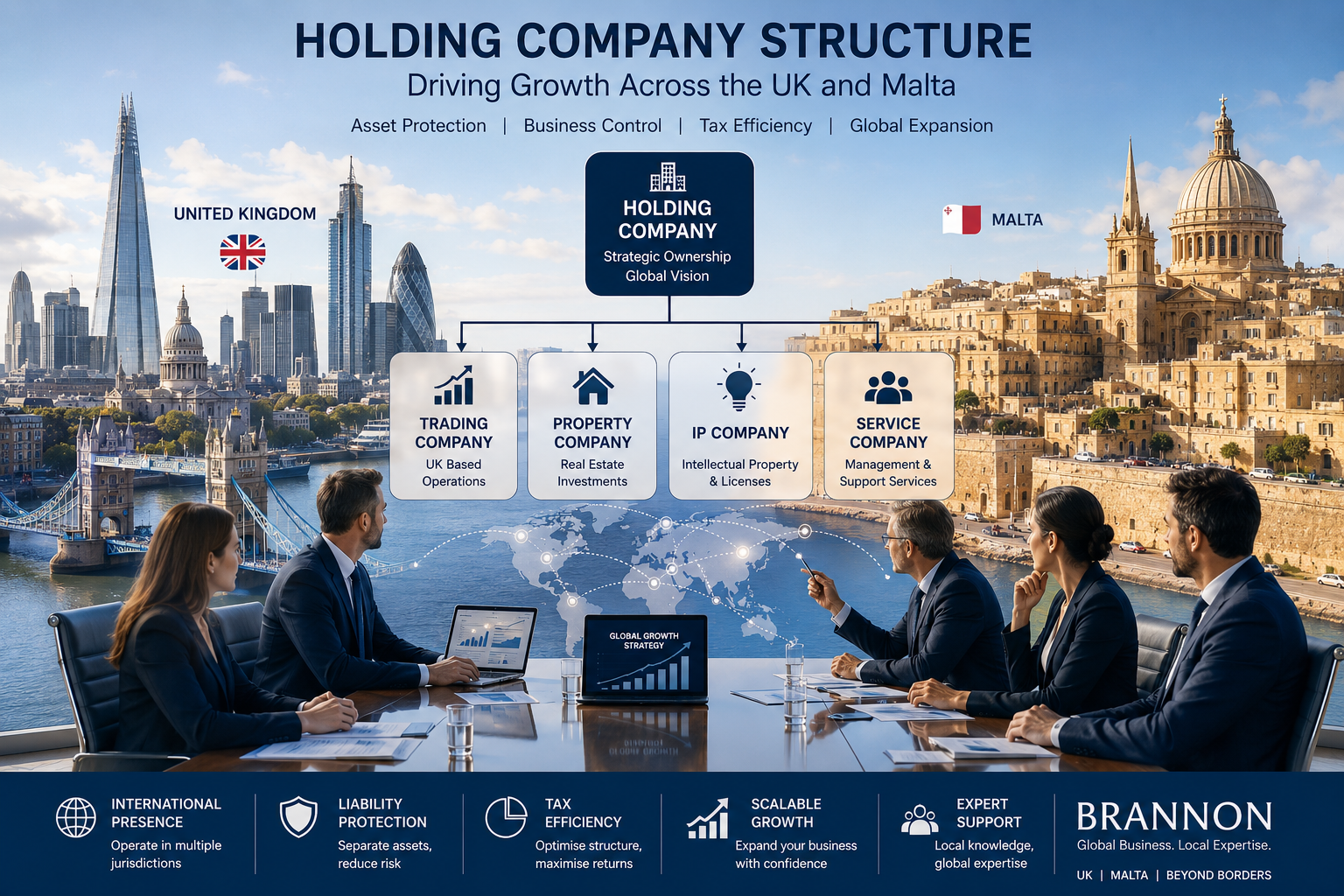
Malta s Hidden Company is examined here through practical benefits, risks and decisions that readers can apply with reliable information and appropriate professional guidance.
Malta S Hidden Company: Practical Overview
With an increasing number of entrepreneurs eyeing Malta for company formation, it’s crucial for you to understand the hidden costs that may arise. While Malta seems like an attractive option on the surface, unexpected expenses can quickly add up, making your business venture less appealing. In contrast, the UK offers a more transparent and cost-effective environment for establishing your company. In this blog post, we will explore these hidden costs in Malta and explain why choosing the UK could be a smarter decision for your business ambitions.
Understanding Company Formation in Malta
Business owners comparing structures can also review our guides to holding companies, UK company formation and Ireland company formation.
Your decision to form a company in Malta is influenced by several factors, including the nation’s unique business environment, legal frameworks, and types of business structures available. As an emerging hub for international businesses, Malta has earned a reputation for its strategic location, robust legal structure, and favorable tax regime. However, it’s crucial to understand the hidden costs involved in setting up a business that sometimes negate these benefits.
Overview of Malta’s Business Environment
One of the primary attractions of operating a business in Malta is its diverse economy. The country boasts a mix of traditional industries and burgeoning sectors, including ICT, financial services, and tourism. Additionally, Malta is part of the European Union, allowing access to a vast market while adhering to EU regulations that make compliance relatively straightforward for business owners.
Legal Framework for Company Formation
On analyzing the legal framework for company formation in Malta, you will find a well-structured system governed by the Companies Act. This legislation clarifies the types of entities you can form, the required documentation, and the responsibilities of directors and shareholders. Importantly, professional advice and local expertise are often necessary to navigate the initial setup process efficiently.
Malta’s legal environment also supports various forms of business activities, ensuring compliance while maximizing entrepreneurial potential. You must be aware of the regulatory requirements, including registration with the Malta Business Registry and obtaining necessary licenses, which can introduce additional layers of complexity and costs.
Types of Business Structures Available
Company formation in Malta offers a range of business structures, allowing you to choose the one that best suits your needs. Below are the primary types of entities you can consider:
| Type of Business Structure | Description |
| Private Limited Company | Ideal for small to medium-sized businesses; limited liability observed. |
| Public Limited Company | Suitable for larger businesses; shares can be traded publicly. |
| Foreign Company | Allows non-residents to operate in Malta while maintaining a foreign entity. |
| Sole Proprietorship | Simple structure with one owner; personal liability exists. |
| Partnership | Shared responsibility among partners; can be limited or general. |
This variety allows you flexibility in defining the nature of your business operations and responsibilities; however, each structure also comes with its own set of legal obligations, so consider your options carefully.
Overview of Types of Business Structures Available
Company formation in Malta provides numerous options tailored to various business needs. Choosing the right structure can impact your taxation, liability, and operational flexibility, making it imperative for you to understand each option thoroughly. Here’s a breakdown of some of the most popular structures:
| Type of Business Structure | Key Features |
| Private Limited Company | Minimum share capital; limited liability protection. |
| Public Limited Company | Higher regulatory requirements; ideal for raising capital through public shares. |
| Foreign Company | Allows foreign entities to operate with flexibility. |
| Sole Proprietorship | Simple to register; owner is fully liable. |
| Partnership | Flexible management; liability depends on partnership type. |
This structured overview serves as a guide as you navigate the company formation process in Malta. To make an informed decision, ensure you consult with legal and financial advisors who can provide insights tailored to your specific business goals.
Hidden Costs of Company Formation in Malta
Independent reference material is available from UK government, OECD, European Commission.
It is necessary to recognize that while Malta appears to be an attractive destination for company formation, there are several hidden costs that can catch entrepreneurs off guard, making it less cost-effective in comparison to other jurisdictions, such as the UK. Being aware of these additional costs not only helps you better plan your budget but also ensures that you remain competitive within your industry right from the start.
Registration Fees
Company registration fees in Malta can vary significantly based on the type of business you choose to establish. The initial registration costs may seem reasonable at first glance; however, various factors, including the company’s authorized share capital, can quickly escalate these fees. You must also consider the annual maintenance fees that follow registration, including the cost of maintaining an official registered office and a local company secretary.
Compliance and Regulatory Fees
The compliance landscape in Malta can be intricate and often burdensome, as businesses are subject to numerous regulatory requirements. These often include obligations for filing annual returns, preparing financial statements in accordance with local standards, and potentially undergoing additional regulatory checks, all of which drive up compliance costs. It is advisable to budget adequately for these regulatory fees to avoid any potential penalties that could arise from non-compliance.
Understanding the complexity of Malta’s compliance could be crucial to your company’s success. Businesses typically need to engage local professionals to navigate the regulatory maze, which can further increase your costs. Without local expertise, you could face significant challenges in maintaining compliance, presenting both legal risks and potential fines.
Taxation Considerations
Fees associated with taxation in Malta can also be misleading. While Malta markets itself as a tax-friendly jurisdiction for businesses, corporate tax rates and additional taxes, such as capital gains tax, can significantly affect your bottom line. You must also consider income taxes if you plan to pay dividends or salaries to yourself or your employees. These tax implications could add to your overall financial burden.
Hidden within the allure of favorable tax incentives lay complexities that can complicate your financial planning. You may find that navigating the Maltese tax system could necessitate further professional advice to ensure compliance and strategy optimization, increasing your overall setup costs.
Accounting and Audit Requirements
For companies operating in Malta, accounting and audit requirements can be extensive. Depending on the size and type of your business, you may need to engage the services of qualified accountants and auditors to maintain proper documentation and prepare financial statements. This not only comes with direct fees but also with the time commitment necessary to ensure compliance with local accounting standards.
Malta’s stringent accounting regulations can be overwhelming, particularly for new business owners unfamiliar with local requirements. Ensuring accurate and timely financial reporting is necessary to avoid audits and potential fines, thus making it vital for you to incorporate the cost of professional services into your budget right from the start.
Licenses and Permits
Hidden costs related to the necessary licenses and permits for operating your business in Malta often go unnoticed during the initial planning stages. Depending on your business activities, you may need numerous permits or licenses, which can lead to unexpected expenses. These permits are crucial for remaining compliant and ensuring that your business operates legally.
Plus, navigating the licensing landscape can be time-consuming and complex, which is why many businesses opt to seek professional help. This assistance comes at an additional cost, adding yet another layer to your overall budget for company formation. You must be prepared for these potential expenses to ensure your transition to establishing a business in Malta is smooth and free of unnecessary delays.
The Importance of Transparency in Business Costs
For complementary reporting and analysis, readers can also visit Michael Schmitt, Trider and the Malta Business Report.
After you decide to set up a business in Malta, it’s crucial to grasp the total costs involved in company formation. While Malta may appear to offer competitive rates, hidden fees can significantly impact your budget and planning. With transparency in business costs, you can avoid unexpected financial strain and focus more on strategic growth.
Impact on Budget Planning
Any entrepreneur will tell you that proper budget planning is a cornerstone of business success. In the absence of clear information regarding company formation expenses, you may find yourself struggling to cover unexpected costs that emerge from obscure fees or regulatory compliances. This lack of visibility not only hampers your initial budgeting efforts but can also lead to misallocation of resources, affecting your overall business operations.
In a landscape where you need to be efficient with your finances, knowing exactly what to expect allows you to plan effective financial strategies better. Transparency helps you forecast expenses accurately and ensures that you allocate sufficient reserves for operational costs on top of the initial formation fees, thus preventing cash-flow issues down the line.
Long-Term Financial Implications
Importance of transparency can’t be overstated when considering the long-term financial implications of business costs. Failure to account for hidden fees associated with company formation in Malta may lead to increased operational costs in the future. These overlooked expenses could include additional taxes, compliance costs, or fees for professional services required to navigate the regulatory landscape.
For instance, if your business encounters unforeseen expenses related to local compliance, it could not only dent your profitability but also derail your growth plans. By understanding the full scope of company formation costs upfront, you are better positioned to make informed financial decisions that can sustain your business well into the future.
Comparison with Other Jurisdictions
Business costs can vary significantly from one jurisdiction to another, making it imperative for you to compare Malta’s opaque fees with more transparent alternatives like the UK. Below is a breakdown of the main costs related to company formation that you might encounter in Malta versus the UK:
| Cost Category | Malta | UK |
|---|---|---|
| Initial Registration Fees | Higher due to hidden fees | Transparent and lower overall fees |
| Annual Compliance Costs | Variable and often unpredictable | Fixed and predictable rates |
| Taxation | Variable corporate tax incentives | Stable corporate tax structure |
It is wise to consider not just the immediate costs but how those can compound over time. The UK offers a more predictable financial framework, which allows you to focus on running your business rather than worry about unexpected expenditure.
It is worth noting that the clear-cut fee structures in the UK provide you with an advantage for long-term planning. By understanding these comparisons, you can make informed decisions that ultimately align with your financial goals and long-term ambitions in running your business.
Why the UK is a Smarter Choice
Unlike Malta, the UK offers a business environment that is more straightforward and cost-effective for entrepreneurs looking to establish a company. With a clearer understanding of the financial commitments involved, you can make informed decisions that keep your overheads low from the outset.
Lower Initial Costs
With its competitive registration fees and lower overall compared to Malta, the UK can significantly reduce the initial financial burden associated with starting your business. This lower cost of entry allows you to allocate funds toward growth initiatives rather than being encumbered by excessive formation expenses.
Moreover, in the UK, you encounter fewer hidden costs during the formation process, ensuring that you get transparent pricing on services, such as bank account setups and accounting assistance. This level of transparency is crucial for new entrepreneurs who are often working with limited budgets.
Streamlined Regulatory Processes
On the regulatory front, the UK boasts a streamlined process for company formation that is both efficient and less bureaucratic than in Malta. You can complete most of the necessary paperwork online in a matter of hours, allowing you to commence operations without unnecessary delays.
Regulatory compliance in the UK is designed to be user-friendly, focusing on enabling businesses to thrive rather than imposing hurdles. The digitized systems in place ensure that you can easily access the forms needed for different aspects of your business, making your start-up journey smoother.
Regulatory agencies within the UK prioritize ease of access and clarity in communication, which helps in fostering a conducive environment for new businesses. This means that as your business evolves, you can expect ongoing support from the regulatory framework without encountering frequent or complicated changes.
Accessibility to Funding and Investment
Processes in the UK also offer you broader access to various funding and investment opportunities compared to Malta. The diverse range of financial institutions, venture capital firms, and government grants available in the UK can provide your business with the necessary capital to expand quickly.
Furthermore, the UK’s vibrant investment landscape creates a robust ecosystem for securing funding from angel investors and venture capitalists. This competitive market not only enhances your chances of receiving financial backing but also positions your business alongside other successful companies, fostering growth and innovation.
A strong track record of successful UK businesses enhances your credibility and attractiveness to potential investors. This recognition can open doors to valuable partnerships and funding opportunities that may not be as readily available in Malta.
Supportive Business Ecosystem
Choice is a crucial factor when considering your business environment, and the UK presents an extensive network of resources designed to support burgeoning enterprises. From incubators to mentorship programs, the available resources are tailored to give you the necessary tools to succeed.
The United Kingdom is home to countless business networking events, workshops, and forums, further enriching the entrepreneurial landscape. These opportunities allow you to connect with like-minded individuals and industry experts who can offer guidance and support as you navigate the complexities of running a business.
To tap into this supportive ecosystem effectively, you should engage with local business communities and leverage resources such as government-supported initiatives aimed at promoting entrepreneurship. This engagement can provide substantial leverage as you grow your business.
Reputable Legal Framework
Legal compliance in the UK is well-structured, providing entrepreneurs like you with a clear roadmap for operating your business. The integrity of the UK’s legal system not only fosters trust but also ensures that your rights as a business owner are well protected.
With a thorough understanding of corporate law and established legal principles, you will find the framework in the UK to be both comprehensive and reliable as you make plans for your company’s future growth.
Accessibility to legal resources and supportive professionals in the UK allows you to navigate the complexities of business law with confidence. Utilizing these resources can save you time, frustration, and potential legal complications down the road.
Comparing Malta and the UK: A Cost-Benefit Analysis
All businesses seeking to establish a presence in Europe often grapple with the decision to choose between Malta and the UK. While both jurisdictions offer unique advantages, you must be keenly aware of the hidden costs associated with Malta that can significantly impact your bottom line. A careful analysis of both locations, considering the total cost of formation and ongoing expenses, is crucial for making an informed choice that aligns with your business objectives.
Side-by-Side Cost Comparison
| Cost Category | Malta |
|---|---|
| Company Registration Fees | €245-€2,500, depending on share capital |
| Annual Compliance Fees | €1,000-€3,000 |
| Local Director Requirement | Compulsory for all companies |
| Accounting and Audit Fees | €1,000-€5,000 annually |
| Tax Rate on Profits | 35% (but can be reduced to 5% with refunds) |
Evaluation of Business Support Services
For businesses considering Malta as a base, it’s vital to assess the quality and availability of support services. While Malta does have a growing ecosystem for startups and SMEs, the infrastructural support typically offered in the UK, such as access to seasoned venture capitalists, business incubators, and governmental grants, is significantly more robust. You may find that these vital services can tilt the balance in favor of the UK, depending on the nature of your business.
For example, Malta’s smaller market may limit networking opportunities and mentorship from experienced industry players. You should weigh the advantages of a supportive business environment in the UK against the allure of Malta’s unique geographic location and favorable tax regimes.
For instance, the UK features a well-established network of business advisory services, accelerators, and resources that can be incredibly beneficial, particularly for startups and rapidly growing companies. This extensive support is complemented by a pool of skilled labor, further enhancing your operational capabilities.
Tax Efficiency: Malta vs. UK
Comparing the tax efficiency of Malta and the UK is crucial for determining which jurisdiction aligns best with your financial strategy. Malta offers an initially higher corporate tax rate of 35%. However, through various mechanisms, such as tax refunds for shareholders, real effective tax rates can be significantly lower—often around 5%. On the flip side, the UK’s corporate tax rate is currently set at 25%, with no equivalent refund system that can lower your effective rate.
To further complicate matters, the international tax landscape is constantly evolving, with potential changes to tax treaties and regulations impacting your business’s obligations. Understanding how these changes affect your projected tax burden is crucial as you weigh your options between Malta and the UK.
Efficiency also plays a role in how tax structures can benefit your business. The UK’s tax code is often seen as more straightforward and predictable, allowing for easier long-term financial planning. As you navigate your decision, consider how both countries’ tax systems will integrate with your overall business strategy and goals. This holistic understanding will guide you towards making the most beneficial choice for the future of your organization.
Practical Steps for Company Formation in the UK
Not only is the UK known for its business-friendly environment, but it also offers a clear path for company formation that you can easily navigate. By following several structured steps, you can establish your company with confidence and ensure compliance with relevant laws and regulations. Below are some practical steps to guide you through this important process.
Choosing the Right Business Structure
With various business structures available in the UK, such as sole traders, partnerships, and limited companies, selecting the right one for your needs is crucial. Each structure comes with its own legal implications, tax responsibilities, and levels of liability. You should consider factors like the size of your business, your long-term goals, and the nature of your products or services when making this decision. Consulting with a professional advisor can help you understand which structure aligns best with your business objectives.
Additionally, the limited company structure is a popular choice for many entrepreneurs due to its ability to limit personal liability. This means that your personal assets are safeguarded in the event of business debts or failures. Understanding the nuances between different business structures will empower you to make informed decisions that best suit your entrepreneurial aspirations.
Preparing Required Documentation
To form your company in the UK, you’ll need to gather specific documentation that will outline the structure and purpose of your business. This typically includes a memorandum of association, articles of association, and details about the company directors and shareholders. Properly preparing these documents is vital, as any inaccuracies or omissions can lead to delays or legal complications down the road.
Formation agents and online platforms offer templates and guidance that can simplify the documentation process. Ensure you take the time to review and, if necessary, tailor your documents to fit your unique business model. Accuracy at this stage can prevent potential future regulatory issues and provide a solid foundation for your new company.
Formation paperwork typically requires vital details such as your company name, registered address, and financial information. You must also provide proof of identity and addresses for the directors and shareholders involved, ensuring that all documentation is compliant and up-to-date.
Navigating the UK’s Regulatory Environment
Any entrepreneur looking to establish a business in the UK must be aware of the regulatory landscape. The Companies House is the primary regulatory body that oversees company registrations and compliance. Understanding the rules around filings, annual reports, and tax obligations will help ensure you remain compliant and avoid potential penalties. It’s vital to familiarize yourself with these regulations to streamline your company’s operations effectively.
Additionally, the UK has specific regulations concerning data protection, employment law, and consumer rights that every business owner must understand. Failing to comply with these rules may result in severe consequences. By establishing a clear awareness of the legal obligations your business has, you can prevent complications and foster a trustworthy relationship with your customers and stakeholders.
Company formation is not just about setting up a business; it involves adhering to an extensive array of regulations. To ensure you’re meeting all local requirements, consider consulting with legal experts or professional advisors who specialize in UK corporate law.
Leveraging Professional Support
Leveraging professional support can dramatically simplify your company formation experience in the UK. Engaging professionals such as solicitors, accountants, or incorporation specialists can provide you with invaluable insights and streamline the process significantly. This professional guidance allows you to focus on what you do best—running your business—while ensuring legal compliance and efficient operations.
Professional support can also provide tailored advice according to your unique business requirements, helping you navigate complex legal frameworks and regulatory environments. By working with experts, you can receive sound advice on various aspects of your business, from tax planning to ensuring proper corporate governance and compliance.
The right professional partnerships can empower you to establish a successful business more efficiently by enabling you to avoid common pitfalls and gain competitive advantages in your market.
Conclusion
Hence, when considering the formation of a company, it is crucial for you to weigh the hidden costs associated with Malta against the more transparent structure offered in the UK. While Malta may initially seem attractive due to its favorable tax regime and business incentives, the additional expenses—ranging from compliance fees to potential legal implications—can accumulate and affect your overall financial strategy. Understanding these hidden costs allows you to make a more informed choice, ensuring that your investment and business operations remain sustainable in the long run.
Ultimately, choosing the UK for your company formation might provide you with a smarter option. The straightforward legal framework and clear expectations help you avoid unexpected financial burdens and streamline your path to business success. By opting for the UK, you position your venture within a stable and reputable environment, fostering growth and stability without the unwelcome surprises often hidden within Malta’s corporate landscape.
FAQ
Q: What are some hidden costs associated with forming a company in Malta?
A: When considering company formation in Malta, entrepreneurs often overlook several hidden costs. These may include high accountancy fees, legal assistance charges, and additional taxes such as the capital gains tax on the sale of shares. Furthermore, companies in Malta may face costs related to regulatory compliance, including annual returns and audits. Additionally, the cost of maintaining a local registered office and the need for a company secretary can further inflate the initial budget. It’s crucial for potential business owners to thoroughly research and consider these hidden costs before making a decision.
Q: How does the overall company formation process in the UK compare to Malta in terms of cost-effectiveness?
A: The company formation process in the UK generally proves to be more cost-effective than in Malta. In the UK, the registration process is straightforward and can often be completed online at a lower cost. Furthermore, the UK benefits from a vast network of professional support services that offer competitive rates for legal and accounting assistance compared to Malta’s higher fees. Additionally, the UK has a more streamlined regulatory framework, reducing ongoing compliance costs. Altogether, these advantages make the UK a more attractive option for entrepreneurs seeking to minimize their company formation expenses.
Q: What strategic advantages does the UK offer over Malta for business formation?
A: Besides the cost factor, the UK offers various strategic advantages for business formation compared to Malta. Firstly, the UK has a globally recognized brand as a financial hub, attracting a wide range of investors and clients, which can be beneficial for networking and business expansion. Secondly, the UK legal system provides strong protections for businesses and intellectual property rights, fostering a safer investment environment. Lastly, the UK’s straightforward tax regime, including opportunities for tax incentives and reliefs, makes it possible for businesses to optimize their tax obligations effectively. These factors make the UK a smarter choice for business formation for many entrepreneurs.
Malta S Hidden Company: Seven Key Considerations
1. Malta S Hidden Company Consideration
Malta s Hidden Company starts with a clear objective and evidence relevant to the decision.
2. Malta S Hidden Company Consideration
Malta s Hidden Company should be assessed against measurable practical or commercial outcomes.
3. Malta S Hidden Company Consideration
Malta s Hidden Company requires accurate information and responsible ownership of each action.
4. Malta S Hidden Company Consideration
Malta s Hidden Company works best when risks and alternatives are reviewed before implementation.
5. Malta S Hidden Company Consideration
Malta s Hidden Company benefits from regular monitoring as circumstances and regulations change.
6. Malta S Hidden Company Consideration
Malta s Hidden Company should remain proportionate to the needs of the people or business involved.
7. Malta S Hidden Company Consideration
Malta s Hidden Company may require specialist advice where legal, financial or technical duties apply.