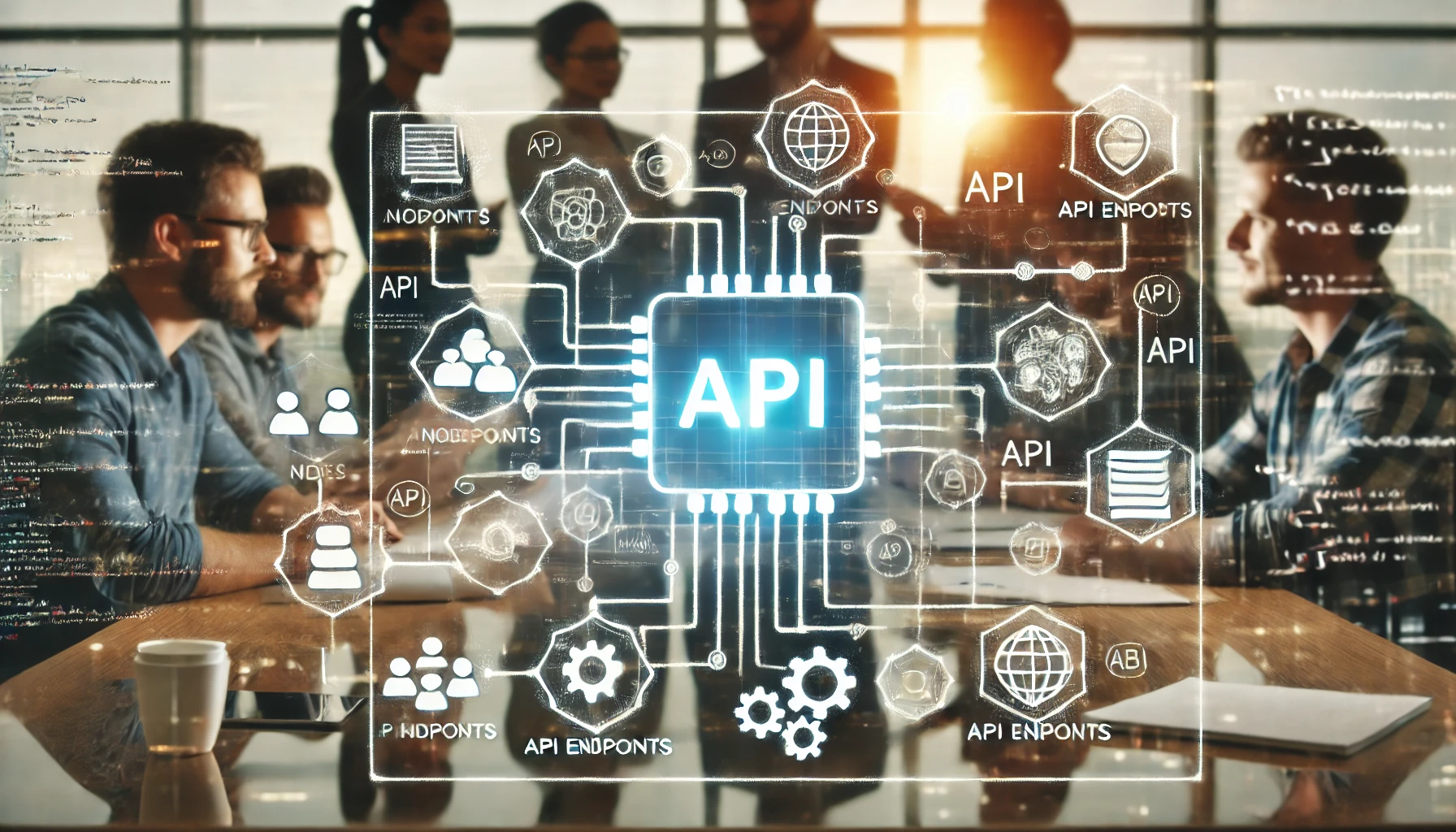
Maximizing API Success is examined here through practical benefits, risks and decisions that readers can apply with reliable information and appropriate professional guidance.
Maximizing API Success: Practical Overview
In today In the connected digital world, APIs (Application Programming Interfaces) have become the backbone of modern software development, enabling applications to communicate, share data and work together seamlessly.
However, API success is not just about writing efficient code. It is also about careful planning and design. Here comes wireframing and Model come into play. But what exactly are these practices and why are they so important for API development?
What is API wireframing and why is it important?
For complementary reporting and analysis, readers can also visit Michael Schmitt, Trider and the Malta Business Report.
Independent reference material is available from UK government, OECD, European Commission.
Business owners comparing structures can also review our guides to holding companies, UK company formation and Ireland company formation.
API wireframing is a visual planning process used to map the structure and functionality of an API before actual development begins.
Just as an architect creates blueprints before constructing a building, API developers use wireframing to visualize the building APIs EndpointsData Flows and interactions. But why is that important?
Wireframing allows developers to see the bigger picture and anticipate potential problems before writing a single line of code.
It helps teams communicate more effectively, reduces misunderstandings, and ensures everyone is on the same page about how the API should work. Ultimately, this lays a solid foundation for a successful development process.
How does modeling contribute to API development?
Model API development is about creating representations of the various components and their relationships within the API architecture.
This can include data models that define the structure of the data exchanged and process models that outline the workflow and sequence of operations.
By creating models, developers can identify potential performance bottlenecks, security vulnerabilities, or integration challenges early.
Model also ensures that the API is designed to scale and adapt to future changes, reducing maintenance costs and the likelihood of major redesigns later.
Why are wireframing and modeling critical to API success?
Why should developers invest time in wireframing and Model? Here are three main reasons:
- Improves Clarity and Communication: Wireframing and Model Create a shared visual representation of it APIs Design. This helps everyone involved, from developers to project managers, understand the intended functionality, reduce misunderstandings, and align expectations.
- Reduces errors and accelerates development: By identifying potential problems early, wireframing and Model help avoid costly mistakes that can occur when coding. This speeds up the development process and saves time and money.
- Improves User Experience (UX): APIs that are well planned and modeled tend to be more user-friendly and easier to integrate. This results in a better experience for end users and drives higher adoption rates.
What are the different types of API wireframes and models?
There are different types of wireframes and models used in API development, each serving a unique purpose:
- Low Fidelity vs. High Fidelity Wireframes: Low-fidelity wireframes are simple sketches or outlines that provide a simple view of the API structure, while high-fidelity wireframes provide a detailed, interactive representation. Low-fidelity wireframes are quicker to create and are useful in the early stages, while high-fidelity wireframes provide a more comprehensive view for advanced planning.
- Data models: These define the structure, format and relationships between the data processed by the API. Data models ensure that the API is able to manage data efficiently and securely.
- Process models: Process models map the workflow of the API and describe in detail how data flows through various components and which processes are involved. That helps In identify possible bottlenecks and optimize The Perfomance.
- Behave Models: These focus on how the API should behave under different scenarios or conditions, such as handling errors or managing different user permissions.
How can you choose the right tools for API wireframing and modeling?

Choosing the right tools for wireframing and Model can make a significant difference in the development process. Here is How to make the best choice:
- Swagger: A popular tool that provides an interactive interface for designing, documenting, and testing APIs. It is particularly useful for creating high-fidelity wireframes.
- Postman: Known for its testing capabilities, Postman also allows for the creation of mock servers and environments, making it a good choice for both wireframing and… Model.
- UML diagrams: Unified Modeling Language (UML) diagrams are ideal for complex projects that require detailed information Model of data and processes. They provide a standardized way to visualize the design.
- Tips for choosing the best tool: When choosing a tool, consider factors such as project complexity, team size, budget, and the need for collaboration. For smaller projects, simpler tools like Postman might be sufficient, while larger projects might benefit from more robust tools like Swagger or UML Diagrams.
How do you effectively implement wireframing and modeling into your API development process?
To effectively implement wireframing and Model In your API development process, follow the following steps:
- Start with requirements gathering: Understand the business needs, audience and technical requirements.
- Create your first wireframes: Start with low-fidelity wireframes to outline the basic structure and functionalities of the API.
- Develop models: Use, process and data Behave Models to represent detailed aspects of the API.
- Collaborate and Iterate: Involve everyone involved in reviewing and refining wireframes and mockups. Use feedback to make iterative improvements.
- Test and validate: Use mock servers and environments to test this APIs Design based on real-world scenarios.
- Integrate into development: Once validated, integrate the wireframes and models into the development phase and ensure all teams have access to the latest versions.
What are the main benefits of using wireframing and modeling in API development?
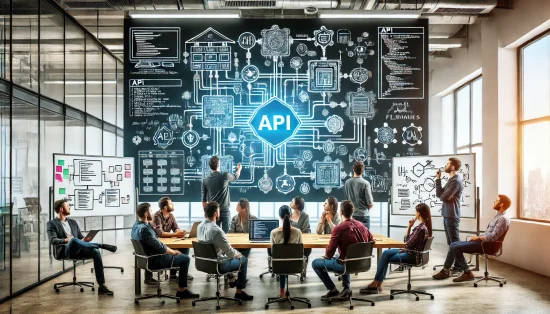
Wireframing and Model offer several benefits that directly impact API success:
- Improved Scalability: A well-planned API will scale more easily as it grows, ensuring it can handle higher loads without sacrificing performance.
- Reduced error and debugging time: Identifying problems during wireframing and Model Stages mean fewer bugs and errors in production and reduce debugging time.
- Faster time to market: By clarifying requirements and identifying potential problems early, wireframing and Model accelerate the entire development process.
- Increased security: Modeling helps to identify and resolve potential security gaps early in the development process.
What common mistakes should you avoid when wireframing and modeling APIs?
When wireframing and Model Although they are beneficial, some common mistakes can hinder their effectiveness:
- Overcomplicating the process: Avoid creating overly complex wireframes and models that are difficult to understand or implement. Keep it simple and focus on the most important aspects.
- Neglecting collaboration: Make sure all stakeholders, including developers, designers, and business teams, are involved in wireframing Model Process for aligning expectations.
- Ignore user feedback: Test wireframes and mockups with potential users or customers to ensure they meet their needs and expectations.
- Models could not be updated: Keep wireframes and models updated throughout the development lifecycle. When changes occur, they should be reflected in the models to avoid misunderstandings and errors.
How do wireframing and modeling improve API security?
Wireframing and Model play a crucial role in improving API security by:
- Identify weak points early: By visualizing the APIs Structure and interactions help developers identify potential security vulnerabilities, such as: B. improper data processing or inadequate authentication measures.
- Ensuring secure data flow: Data models help ensure sensitive data is processed correctly, with encryption and validation checks built into the API design.
- Improving access control: Behavioral models can be used to define different access levels and permissions, reducing the risk of unauthorized access.
What are the future trends in API wireframing and modeling?
The field of API development is constantly evolving. Here are some emerging trends to keep an eye on:
- AI-powered tools: Artificial intelligence is integrated into wireframing and Model Tools to automate repetitive tasks and provide intelligent suggestions.
- Automated modeling: New tools are being developed that can automatically generate models based on initial wireframes or user input, speeding up the development process.
- Focus on microservices: As more and more companies are moving towards Microservices Architecture, wireframing and Model become more modular and enable more flexible and scalable API designs.
Diploma
Wireframing and Model are not just optional steps in API development; They are essential to ensure clarity, reduce errors, and improve user experience.
As we have As you can see, adopting these practices can help avoid costly mistakes, improve team collaboration, and lay the foundation for a successful API.
For companies and developers alike, integrating wireframing and Model into the API development lifecycle is a step towards maximizing efficiency and success.
FAQs
Why is wireframing important in API development?
Wireframing helps with visualization APIs structure and functionality, align team members and identify identify possible problems early in the development process.
What are the best tools for API? Model?
Swagger and Postman are popular tools for wireframing, while UML diagrams are often used for detailed representations Model.
How Do Wireframing and Model Impact on API performance?
They help identify bottlenecks and optimize processes, which can improve performance and scalability.
What challenges might developers face when wireframing APIs?
The most common challenges include resistance to adopting new practices, perceived time constraints, and the complexity of large projects.
Can wireframing and Model Reduce API errors?
Yes, they allow developers to identify and fix potential problems before they lead to costly errors.
How do these practices impact user experience (UX)?
Wireframing and Model Help create more intuitive and user-friendly APIs, resulting in better user experience and adoption rates.
Are there alternatives to wireframing and? Model in API development?
While some developers may choose to jump straight into coding, wireframing, etc Model Provide a more structured approach that helps mitigate risks, reduce errors and improve overall quality.
Alternatives such as rapid prototyping or iterative development can be used, but they often lack the foresight and planning benefits that wireframing offers Model.
Maximizing API Success: Seven Key Considerations
1. Maximizing API Success Consideration
Maximizing API Success starts with a clear objective and evidence relevant to the decision.
2. Maximizing API Success Consideration
Maximizing API Success should be assessed against measurable practical or commercial outcomes.
3. Maximizing API Success Consideration
Maximizing API Success requires accurate information and responsible ownership of each action.
4. Maximizing API Success Consideration
Maximizing API Success works best when risks and alternatives are reviewed before implementation.
5. Maximizing API Success Consideration
Maximizing API Success benefits from regular monitoring as circumstances and regulations change.
6. Maximizing API Success Consideration
Maximizing API Success should remain proportionate to the needs of the people or business involved.
7. Maximizing API Success Consideration
Maximizing API Success may require specialist advice where legal, financial or technical duties apply.