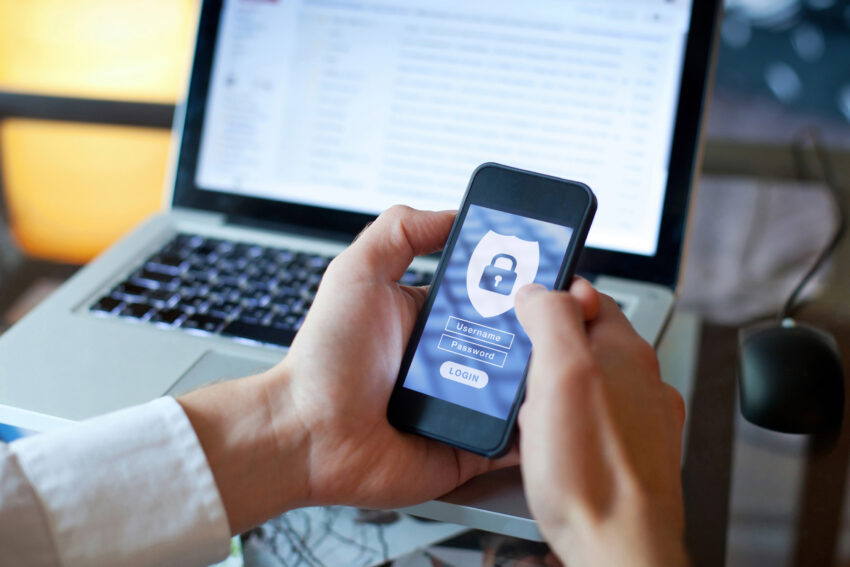
There is no doubt that as technology evolves, so do the methods we use to protect our personal information. Traditional methods such as PINs and passwords have been used over time to protect access to online accounts and services.
However, these methods are becoming increasingly uncertain and difficult to manage.
In recent years, biometric authentication has emerged as a more secure alternative. Biometrics is based on physical characteristics such as fingerprints or facial recognition that are unique to each person.
In this post, we explore the benefits of biometric authentication and how it addresses the challenges of traditional identity management systems.
What are biometric authentication systems?
Biometric authentication is a system that uses a person’s unique physical characteristics to verify their identity. These features include fingerprints, facial features and even voice patterns. This system allows organizations to securely manage and verify user identities without relying on traditional passwords or PINs.
There are two key technologies in biometric authentication that provide increased security: facial recognition and 3D liveness detection.
3D life detection in biometrics
Facial recognition is a good option, but it has some limitations. Sometimes hackers try to game the system by using photos or videos of a person’s face to bypass security measures. To address this problem, 3D liveness detection was developed. This technology ensures that the person who wants to log in is physically present and does not use a static image.
The software can detect movements such as blinking, smiling or nodding that a photo cannot reproduce. By looking for these little real-time actions, 3D Liveness Detection prevents unauthorized access. It is an important tool for companies that want to confirm that their users are real and not being impersonated.
Facial recognition technology
Facial recognition technology has become widespread, especially with the proliferation of mobile devices. With many smartphones, such as Some devices, such as the latest iPhones, allow users to unlock their devices and access apps via Face ID. No PIN or password is required, making logging into an account much easier and faster.
But it’s not just about convenience. Facial recognition also provides a layer of security that passwords cannot. Because each person’s face is unique, the system can quickly identify if someone is trying to gain entry with an unauthorized face.
Companies benefit from this because it helps protect customers from fraud and cybercrime. For example, online banking apps often use facial recognition to ensure that only legitimate account holders can log in and access their financial data.
How biometrics can address traditional IAM challenges
Traditional identity and access management (IAM) systems relied on passwords, security questions, and ID cards to verify identities. While these methods worked in the past, they are no longer sufficient in today’s digital world. Hackers have become more sophisticated and personal information can be easily stolen. Biometrics offers a way to overcome these challenges by providing authentication methods that are more reliable and secure.
Here are four ways biometrics can address the shortcomings of traditional IAM systems:
Improving multi-factor authentication (MFA) with biometrics
Multi-factor authentication (MFA) is a security procedure that requires you to verify your identity using two or more methods. Some online platforms, such as online casinos, may require both a password and a code sent via SMS to confirm a user’s identity. This is often to ensure the security of your account.
By integrating biometric verification into MFA, these online casinos can provide their players with stronger protection and reduce the risk of fraud or identity theft. So you can play your favorite games including Casino slots for real moneywithout having to worry that unauthorized people could gain access to your personal or banking information.
Troubleshoot password issues with biometrics
Over time, passwords have been the weakest link in online security. Many users create passwords that are easy to guess. Others use the same password for numerous accounts. Even complex passwords can be vulnerable to hacker attacks. Password recovery can also be tedious, especially if a user doesn’t remember the login details.
Biometrics eliminate the need for passwords. You don’t need to enter multiple characters. You can simply scan your face or fingerprint to access your account. This process is safer and faster. Every person has unique biometric data. Therefore, it is almost impossible for someone to steal or reproduce it.
By eliminating the need for passwords, biometrics significantly reduces the likelihood of a security breach. Users no longer have to worry about creating strong passwords or remembering multiple combinations for different websites. The result is a much easier and safer experience.
Improving physical ID card systems
Many organizations, particularly in industries such as healthcare and government, still rely on physical badges for access control. Although these cards can be secure, they can also be easily lost or stolen. If someone gets hold of a physical ID card, they could potentially gain access to sensitive areas or information.
Biometrics offers a solution to this problem. By linking physical IDs with biometric data, organizations can ensure that only the legitimate cardholder can use them. For example, a hospital might require both a fingerprint scan and an ID card to access patient records. Even if someone steals the card, they cannot use it without the correct biometric verification.
This two-factor authentication system provides an additional layer of security. It protects both the users and the organization.
Expansion of contactless smart card systems
Contactless smart cards are becoming increasingly popular in industries such as transportation and healthcare. These cards allow users to access services by tapping their card on a reader without having to swipe or insert it. Although this system is convenient, it is still possible for someone to steal or duplicate a card.
Biometric authentication can increase the security of contactless smart cards. By requiring a fingerprint or facial scan along with the card, organizations can ensure that only authorized users can access the system. This provides a further level of protection and reduces the likelihood of unauthorized use.
In addition, contactless biometric systems are becoming increasingly popular in places such as airports and public transport stops. These systems allow users to quickly pass through checkpoints without having to touch surfaces or show physical cards. This is a fast, efficient and secure way to verify identity.