

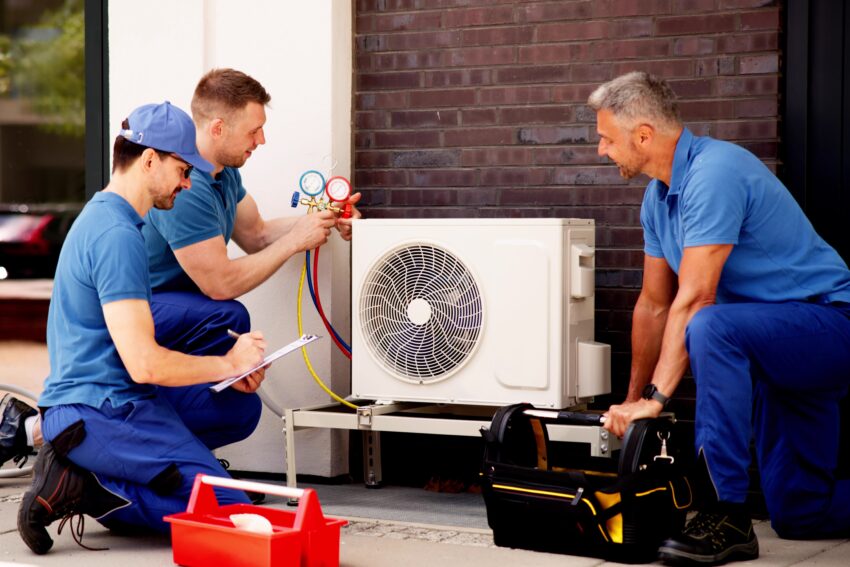
Residential and Commercial HVAC is examined here through practical benefits, risks and decisions that readers can apply with reliable information and appropriate professional guidance.
Residential And Commercial HVAC: Practical Overview
Heating, ventilation and air conditioning (HVAC) systems are an integral part of modern building infrastructure and ensure thermal comfort and acceptable indoor air quality in both residential and commercial settings.
For complementary reporting and analysis, readers can also visit Michael Schmitt, Trider and the Malta Business Report.
Independent reference material is available from UK government, OECD, European Commission.
Business owners comparing structures can also review our guides to holding companies, UK company formation and Ireland company formation.
At their core, HVAC systems regulate environmental conditions within rooms, ensuring that residents can enjoy consistent temperature control, adequate airflow, and filtration of airborne particles.
In the residential sector, these systems are primarily used in single-family homes, apartments and small condominiums and aim to create comfortable living space for individuals and families. On the other hand, commercial HVAC systems are designed for larger buildings such as office buildings, retail centers, schools, hospitals and industrial facilities where the need for reliable, powerful and efficient thermal management is critical to the operations and well-being of the occupants.
While the basic principles of heating, cooling and air circulation are the same for both residential and commercial systems, the scope, complexity and specific requirements of these solutions can vary significantly. Understanding the nuances between the two helps make informed decisions regarding HVAC installation, maintenance, and optimization in different environments. This introduction paves the way to discussing key differences such as size, design, cost, and maintenance that are essential in choosing the right HVAC system to meet the unique needs of the space it serves.
Comparison of sizes and capacities: residential and commercial properties
One of the most noticeable differences between residential and commercial HVAC systems is their overall size and capacity. Residential systems are designed to meet the comfort needs of residential spaces, which tend to be smaller and less complex than commercial environments. They often come in capacities from 1 to 5 tons, which is enough to efficiently cool and heat a typical household.
Commercial HVAC systems, on the other hand, must be designed for larger spaces such as office buildings, shopping centers and industrial facilities. Due to the extensive areas and high utilization, these plants have significantly larger capacities, often between 20 tons and several hundred tons. This stark difference in size affects not only the volume of air that needs to be moved, but also the greater heat load that results from more people, more equipment, and the building’s usage habits.
The sizing of these systems is crucial; An undersized system in a commercial setting could result in inadequate heating or cooling, whereas an oversized system in a residential context could result in inefficient operation and wasted energy. Engineers and HVAC experts use detailed calculations, taking into account factors such as square footage, window placement, insulation and local climate, to determine the appropriate size and capacity of an HVAC system and ensure it is tailored to the specific needs of the environment in which it is located it is installed will work.
Design and complexity variations
Residential and commercial HVAC systems serve essentially the same purpose: to control the heating, ventilation, and air conditioning of a space. However, the design and complexity varies significantly between the two, often due to the unique needs of the environments they serve.
Heating, ventilation and air conditioning technology for private households Systems usually have a straightforward design. Typically, these are self-contained systems designed to maintain comfort in a relatively small, confined space such as a house or apartment. They often consist of a single outdoor unit (the condenser) and an indoor unit (the evaporator coil and fan) for a single room or a central system for the entire home. These systems are designed for ease of use, have simple thermostats to control temperature, and are often not very complex, often allowing homeowners to handle basic troubleshooting and simple maintenance tasks.
In contrast, commercial HVAC systems Systems are designed for much larger spaces such as offices, shopping centers and industrial facilities. They are more complex because they need to cover a larger area and the use of that space is more varied — for example, server rooms require cooler temperatures than common areas. Commercial systems may have multiple zones of heating and cooling, complex piping, large air handling units connected to a network of ducts distributed throughout the facility, and advanced controls to manage indoor air quality and system efficiency. They often have automation systems to regulate temperature and humidity depending on occupancy and time of day. Therefore, the design and operation of commercial HVAC systems require a higher level of complexity, typically requiring specialized technicians for installation, service and maintenance.
Cost and energy considerations
When comparing residential and commercial HVAC systems, cost and energy efficiency are key factors. Due to their larger size and the need to condition more space, commercial HVAC systems are inherently more expensive in terms of initial installation and operating costs. These systems often require specialized components that have a higher price tag. Due to the complexity of the design and the need for tailored solutions to the specific needs of commercial spaces, installation costs are typically higher.
Energetic aspects also play an important role in distinguishing between the two types. Heating, ventilation and air conditioning technology for private households Systems typically aim for the highest energy efficiency within a smaller budget, as homeowners are often more sensitive to upfront and ongoing costs. The Seasonal Energy Efficiency Ratio (SEER) is a common metric used to evaluate the energy efficiency of residential systems. On the other hand, commercial HVAC systems emphasize performance and adaptability, which can sometimes result in lower energy efficiency. However, energy costs can be reduced by implementing energy recovery systems, zone controls and planned maintenance to ensure the system is operating at maximum efficiency.
In summary, while the upfront investment in commercial HVAC systems can be significant, the potential for long-term energy savings through customized system design and regular maintenance can offset the initial costs, making commercial systems a viable economic choice for larger facilities. Conversely, home systems provide a balance of cost-effectiveness and adequate performance, with an emphasis on minimizing costs over the life cycle of the system.
Maintenance Needs: Residential vs. Commercial
There are significant differences between residential and commercial systems when it comes to maintaining HVAC systems. Residential systems typically require less extensive maintenance and can often be maintained through semi-annual checks and routine cleanings. Homeowners can perform some basic maintenance tasks themselves, such as: However, some tasks, such as replacing filters or cleaning ventilation openings, require specialists for further technical inspections or repairs.
In contrast, commercial HVAC systems require a more rigorous maintenance schedule due to their size, complexity and constant use. Because these systems are critical to the health and comfort of a larger number of residents and often require complicated zoning and multiple thermostats, professional maintenance is essential to ensure they operate efficiently and reliably. Commercial maintenance may include periodic checks of refrigerant levels, electrical components, plumbing, air filters, and overall system functionality. Additionally, commercial facilities are also subject to more stringent health and safety regulations, further reinforcing the need for professional maintenance.
There are also differences in the level of expertise required to maintain each type. Technicians working on it commercial HVAC systems Systems must be able to navigate these larger and often more complex configurations and may require specialized training to handle the advanced technology and off-the-shelf components.
Ultimately, choosing a professional service provider with relevant experience for both residential and commercial facilities is crucial. However, the frequency, extent and technique of maintenance required varies significantly depending on whether the system is designed for a small residential home or a large commercial building.
Choosing the right HVAC system for your space
When selecting an HVAC system, whether for a home or commercial property, careful consideration is essential to ensure comfort, efficiency and cost-effectiveness. For a living space, which typically requires a smaller system, the size of the home, the climate in which it is located, and the personal preferences of the occupants are key factors. It is advisable to contact HVAC experts who can perform a proper assessment of heating and cooling loads and recommend a system that balances performance and energy consumption.
For commercial spaces, the choice of HVAC system becomes more complex due to larger areas, varying occupancy and different usage patterns. It is important to consider aspects such as the type of business, building layout and zoning requirements. Additionally, commercial systems may need to integrate with other building management systems and adhere to more stringent codes and regulations.
In both cases, sustainability and long-term operating costs are becoming increasingly important factors. While investing in energy efficient systems may be more expensive upfront, they can result in significant savings on utility bills and maintenance costs over time. Additionally, features such as programmable thermostats and HVAC systems that are compatible with smart building technology can further increase energy savings and provide users with a better overall experience.
Ultimately, choosing the right HVAC system requires weighing the initial installation cost against the long-term benefits and ensuring that the system meets the specific needs of the space it is intended for. Working with reputable HVAC experts can lead to an informed decision and result in optimal indoor climate control tailored to the unique needs of each residential or commercial environment.
Residential And Commercial HVAC: Seven Key Considerations
1. Residential And Commercial HVAC Consideration
Residential and Commercial HVAC starts with a clear objective and evidence relevant to the decision.
2. Residential And Commercial HVAC Consideration
Residential and Commercial HVAC should be assessed against measurable practical or commercial outcomes.
3. Residential And Commercial HVAC Consideration
Residential and Commercial HVAC requires accurate information and responsible ownership of each action.
4. Residential And Commercial HVAC Consideration
Residential and Commercial HVAC works best when risks and alternatives are reviewed before implementation.
5. Residential And Commercial HVAC Consideration
Residential and Commercial HVAC benefits from regular monitoring as circumstances and regulations change.
6. Residential And Commercial HVAC Consideration
Residential and Commercial HVAC should remain proportionate to the needs of the people or business involved.
7. Residential And Commercial HVAC Consideration
Residential and Commercial HVAC may require specialist advice where legal, financial or technical duties apply.

