

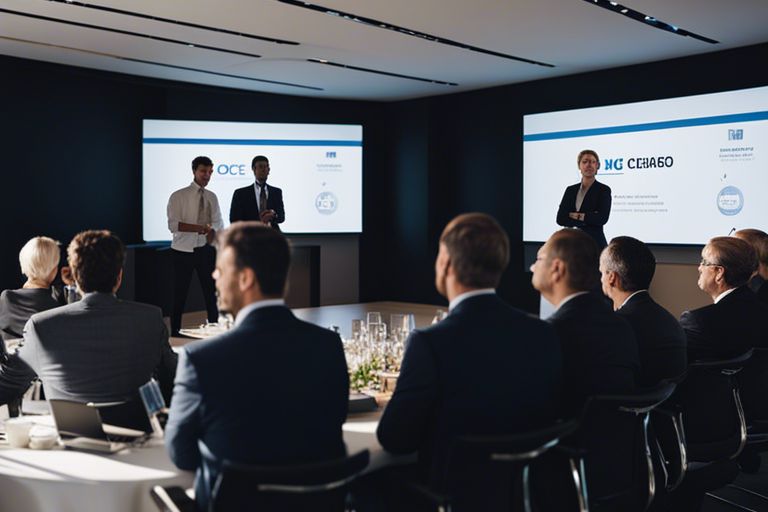
Just as in the world of investing where knowledge and strategy are key, mastering the art of investor roadshows can significantly impact the success of OTC listings. This blog post examines into the importance of investor roadshows for companies looking to list on the OTC market and provides valuable insights on how to effectively utilize these opportunities to attract investors and drive the growth of your OTC-listed company. By understanding the intricacies of conducting successful investor roadshows, you can navigate the OTC landscape with confidence and strategic foresight.
Importance of Investor Roadshows
While Investor Roadshows are a common practice for companies seeking to raise capital or increase liquidity in the market, they offer numerous benefits beyond just financial gains. One of the key advantages of Investor Roadshows is the opportunity they provide for companies to engage directly with potential investors, building credibility and trust in the process.
Building Credibility and Trust
Building credibility and trust with investors is crucial for companies looking to attract funding and support for their OTC listings. By participating in Investor Roadshows, companies can showcase their management team, business strategy, and growth potential to a targeted audience of investors. This direct interaction allows potential investors to ask questions, evaluate the company’s performance, and gain a better understanding of its risks and opportunities. By establishing a personal connection and demonstrating transparency, companies can build credibility and trust with investors, increasing the likelihood of investment and long-term support.
Enhancing Visibility and Awareness
One of the primary goals of Investor Roadshows is to enhance the visibility and awareness of a company among potential investors and key stakeholders. These roadshows provide a platform for companies to share their story, achievements, and future prospects with a wider audience, including institutional investors, analysts, and financial media. By participating in roadshows, companies can generate buzz around their OTC listings, attract attention from new investors, and increase trading activity in their stock. This heightened visibility can ultimately lead to an increase in demand for the company’s shares, potentially driving up its valuation and liquidity in the market.
The exposure gained from Investor Roadshows can also help companies differentiate themselves from competitors, position themselves as industry leaders, and attract strategic partnerships or acquisition opportunities. Through targeted presentations, meetings, and networking events, companies can effectively communicate their value proposition and investment thesis to a diverse group of investors, creating opportunities for long-term growth and success in the OTC market.
Preparing for an OTC Listing
Ensuring Regulatory Compliance
Compliance with regulatory requirements is crucial when preparing for an OTC listing. You must ensure that your company adheres to all OTC Markets Group guidelines and regulations. This includes having accurate financial statements, transparent disclosure of information, and compliance with reporting obligations. It is important to work closely with legal and financial advisors to navigate the complexities of regulatory compliance effectively.
Developing a Compelling Investment Thesis
On the road to an OTC listing, developing a compelling investment thesis is paramount. You must clearly articulate your company’s story, including its operational strengths, growth potential, and competitive advantages. This narrative should resonate with potential investors and demonstrate why your company is a solid investment opportunity. By highlighting key differentiators and showcasing a clear path to value creation, you can attract interest from investors and generate momentum for your OTC listing.
Compelling investment thesis development involves crafting a narrative that not only showcases your company’s potential but also aligns with investors’ preferences and expectations. This requires a deep understanding of your target investor audience, market trends, and competitive landscape. By tailoring your investment thesis to address investor concerns and highlight key value drivers, you can differentiate your company in the crowded OTC market and stand out as an attractive investment opportunity.
Identifying the Right Investors
Targeting Institutional Investors
The first step in identifying the right investors for your OTC listing roadshow is to target institutional investors. These are organizations such as mutual funds, insurance companies, and pension funds that have significant capital to invest. Institutional investors can bring stability and credibility to your company, making them valuable additions to your shareholder base.
Engaging with High-Net-Worth Individuals
For OTC listings, engaging with high-net-worth individuals can also be a strategic move. These individuals have substantial financial resources and are often looking for opportunities to diversify their portfolios. By targeting high-net-worth individuals during your investor roadshow, you can attract potential investors who are capable of making significant investments in your company.
High-net-worth individuals often have a keen interest in early-stage companies with high growth potential. They may also have connections to other investors or industry professionals who can further support your OTC listing. Building relationships with high-net-worth individuals can lead to long-term partnerships and investment opportunities that can help drive the success of your OTC listing.
Crafting a Compelling Pitch
Highlighting Key Value Drivers
Now, when crafting a compelling pitch for your OTC listing roadshow, it is vital to highlight the key value drivers of your company. These are the aspects of your business that set you apart and showcase your potential for growth and profitability. Key value drivers could include a unique product or service, a strong track record of revenue growth, a talented management team, or innovative technology.
Showcasing Competitive Advantages
To further enhance your pitch, showcasing your competitive advantages is crucial. Highlighting what makes your company stand out in the market and why investors should choose your OTC listing over others is key. This could involve discussing barriers to entry, a loyal customer base, strategic partnerships, or proprietary technology that gives your company a competitive edge.
It’s important to remember that investors are looking for opportunities that offer a strong potential for returns. By effectively showcasing your competitive advantages, you can demonstrate to investors why your OTC listing presents a unique and appealing investment opportunity.
Pitch
Crafting a compelling pitch for your OTC listing roadshow is a strategic process that requires a thorough understanding of your company’s key value drivers and competitive advantages. By highlighting these aspects effectively, you can captivate investors’ attention and make a compelling case for why they should consider investing in your OTC listing.
Effective Presentation Techniques
Storytelling and Visual Aids
Visual aids are crucial in capturing the attention of potential investors during your roadshow presentations. Utilize compelling visuals such as graphs, charts, and multimedia to support your key messages and make complex information easily digestible. Additionally, incorporating storytelling techniques can help create a narrative that resonates with your audience, making your presentation more engaging and memorable.
Handling Q&A Sessions with Confidence
With confidence and preparation, you can turn the Q&A session into an opportunity to further showcase your knowledge and expertise. Anticipate potential questions and practice concise responses that address any concerns while reinforcing the strengths of your OTC listing. Remember to maintain a calm and composed demeanor, actively listen to questions, and provide clear and confident answers to build credibility and trust with potential investors.
When facing challenging questions, acknowledge the inquiry respectfully and offer to provide further information if needed. Transparency and honesty in your responses will demonstrate your commitment to open communication and foster a positive impression with investors.
Selecting the Right Roadshow Format
In-Person Meetings vs. Virtual Events
Many OTC companies face the decision of whether to conduct in-person meetings or virtual events as part of their investor roadshows. In-person meetings offer a personalized touch and the opportunity for face-to-face interactions, which can help build trust and credibility with potential investors. On the other hand, virtual events can reach a broader audience and are often more cost-effective and convenient.
One-on-One Meetings vs. Group Presentations
Many OTC companies need to decide between one-on-one meetings and group presentations during their investor roadshows. One-on-one meetings allow for tailored discussions based on individual investor interests and concerns. Group presentations, on the other hand, are efficient for reaching multiple investors at once and can create a buzz around the company.
Meetings during roadshows should be carefully planned to maximize the impact on potential investors. One-on-one meetings can be particularly effective for addressing specific investor questions and concerns, while group presentations can help generate interest and excitement about the company’s listing on the OTC market.
Scheduling and Logistics
Coordinating with Investors and Scheduling
On the road to a successful OTC listing, coordinating with investors and scheduling investor roadshows are crucial steps. It is imperative to streamline communication with potential investors, ensuring that meetings are scheduled efficiently and conflicts are minimized. By utilizing investor relationship management tools and platforms, companies can effectively manage their investor interactions and keep track of meeting schedules and preferences.
Managing Travel and Accommodations
With a carefully crafted roadshow strategy in place, managing travel and accommodations for the team is key to executing successful investor meetings. This includes arranging transportation, accommodations, and scheduling around meetings to ensure a smooth and efficient roadshow. By working closely with travel agencies and utilizing technology tools for coordination, companies can optimize their travel plans and focus on building investor relationships during the roadshow.
Plus, when managing travel and accommodations, it is imperative to consider the comfort and convenience of the team members participating in the roadshow. Providing comfortable accommodations and minimizing travel stress can contribute to a more focused and productive investor roadshow experience.
Building Relationships with Investors
Establishing Open Communication Channels
Investors are vital stakeholders for OTC-listed companies, and building strong relationships with them is crucial for long-term success. One key strategy for fostering these relationships is to establish open communication channels. This can involve regular updates on company performance, upcoming milestones, and any potential challenges or opportunities on the horizon.
Providing Regular Updates and Progress Reports
Establishing a cadence for providing regular updates and progress reports to investors is vital for maintaining transparency and trust. By consistently sharing information on financial results, operational developments, and strategic initiatives, companies can keep investors informed and engaged. This practice not only demonstrates accountability but also allows investors to track the company’s progress and make more informed decisions.
Reports should be comprehensive yet concise, outlining key achievements, challenges faced, and future goals. By providing regular updates in a clear and easily digestible format, companies can enhance their credibility and strengthen investor confidence in the OTC-listed entity.
Managing Expectations and Feedback
Despite the excitement surrounding an OTC listing and the potential for increased visibility and liquidity, it is crucial for companies to manage expectations and solicit feedback from investors throughout the roadshow process. Effective communication and a clear understanding of investor expectations can help set the stage for a successful listing and post-listing performance.
Setting Realistic Expectations
One key aspect of managing expectations during an investor roadshow is to set realistic goals and timelines for the listing process. It is imperative to communicate openly and transparently with potential investors about the company’s financial performance, growth prospects, and any potential risks or challenges. By being honest about the opportunities and limitations of the OTC listing, companies can build trust with investors and avoid disappointments down the road.
Incorporating Investor Feedback into Strategy
On the roadshow, companies should actively seek feedback from investors regarding their perception of the company, its industry, and the overall market conditions. By incorporating this feedback into their strategic planning, companies can better align their messaging and positioning with investor expectations. This iterative process of gathering feedback and refining the strategy can also help companies fine-tune their investor relations efforts and maximize investor interest and participation in the OTC listing.
Expectations for the OTC listing should be managed not only during the roadshow but also throughout the entire listing process. By staying responsive to investor feedback and continuously evaluating and adjusting strategies, companies can enhance their chances of a successful OTC listing and long-term growth in the OTC market.
Measuring Roadshow Success
Tracking Investor Engagement and Interest
Success in measuring the effectiveness of investor roadshows for OTC listings hinges on tracking key metrics related to investor engagement and interest. Utilizing technology tools like investor relationship management systems can provide invaluable data on investor interactions, such as the number of meetings scheduled, attendance rates, and follow-up actions taken by potential investors.
Evaluating the Effectiveness of Roadshow Messaging
Roadshow success can also be measured by evaluating the effectiveness of the messaging delivered during the presentations. Analyzing investor feedback, questions asked during Q&A sessions, and post-roadshow surveys can provide insights into whether the key points of the company’s story were effectively communicated and resonated with investors.
Evaluating the effectiveness of roadshow messaging involves assessing how well the company’s unique value proposition, financial performance, growth prospects, and management team were presented to investors. By gauging the level of investor understanding and interest in these key areas, companies can refine their messaging strategies for future roadshows and investor meetings.
Common Pitfalls to Avoid
Overpromising and Underdelivering
After engaging in investor roadshows for OTC listings, companies must be diligent in managing the expectations they set. Overpromising and underdelivering can have detrimental effects on investor trust and credibility. While it may be tempting to paint a rosy picture of the company’s future prospects, it is crucial to strike a balance between optimism and realism. Investors value transparency and honesty, so it is vital to only make promises that can be feasibly upheld.
Failing to Address Investor Concerns
For a successful OTC listing through investor roadshows, it is imperative to address all investor concerns promptly and comprehensively. Failing to do so can result in skepticism and mistrust among potential investors. Companies should anticipate common questions and concerns that may arise during roadshows and have well-thought-out responses prepared. Ignoring or deflecting investor inquiries can signal a lack of transparency and competence, ultimately hindering the success of the listing.
The ability to effectively address investor concerns demonstrates a company’s commitment to open communication and investor satisfaction. By actively listening to and resolving investor queries during roadshows, companies can instill confidence in investors and foster positive relationships that are crucial for a successful OTC listing.
Best Practices for OTC-Listed Companies
Maintaining Transparency and Disclosure
To ensure trust and credibility with investors, it is imperative that OTC-listed companies maintain a high level of transparency and disclosure. Your company should adhere to regulatory requirements and provide timely updates on financial performance, operational developments, and material changes. By proactively sharing information, you can build confidence among investors and foster long-term relationships.
Engaging with Investors Proactively
Practices such as hosting regular conference calls, participating in investor conferences, and leveraging digital communication channels can help OTC-listed companies engage with investors proactively. By presenting a clear business strategy, addressing investor concerns, and soliciting feedback, you can demonstrate your company’s commitment to shareholder value. This two-way communication can also provide valuable insights for strategic decision-making and enhance investor loyalty.
Maintaining open lines of communication with investors is imperative for OTC-listed companies to cultivate trust and credibility. By promptly responding to inquiries, providing clear and comprehensive updates, and engaging with stakeholders on a regular basis, your company can demonstrate a commitment to transparency and investor relations.
The Role of Technology in Roadshows
Leveraging Virtual Platforms and Tools
All investor roadshows can benefit from leveraging virtual platforms and tools to enhance communication and engagement. Virtual roadshows can reach a wider audience, reduce costs associated with travel, and enable companies to connect with investors globally. Utilizing webinars, live streaming, virtual meetings, and interactive tools can create an immersive experience for investors, allowing for real-time Q&A sessions and personalized interactions.
Enhancing Investor Engagement through Digital Channels
Through digital channels such as social media, email marketing, and online advertising, companies can amplify the reach of their investor roadshows and engage with a larger pool of potential investors. Building a strong online presence and leveraging digital marketing strategies can drive investor interest and participation in roadshow events. Additionally, utilizing data analytics and customer relationship management systems can help companies tailor their communications to specific investor preferences and behaviors.
Roadshows can now extend beyond physical venues to online platforms, enabling companies to engage with investors in a more dynamic and interactive way. By utilizing digital channels effectively, companies can increase visibility, foster stronger investor relationships, and ultimately enhance the success of their OTC listings.
To wrap up
As a reminder, investor roadshows can be a powerful tool for companies with OTC listings to attract new investors, build relationships, and increase market visibility. By effectively using investor roadshows, companies can showcase their potential, expertise, and growth opportunities to a wider audience, ultimately leading to increased investor interest and potential growth in the OTC market.

