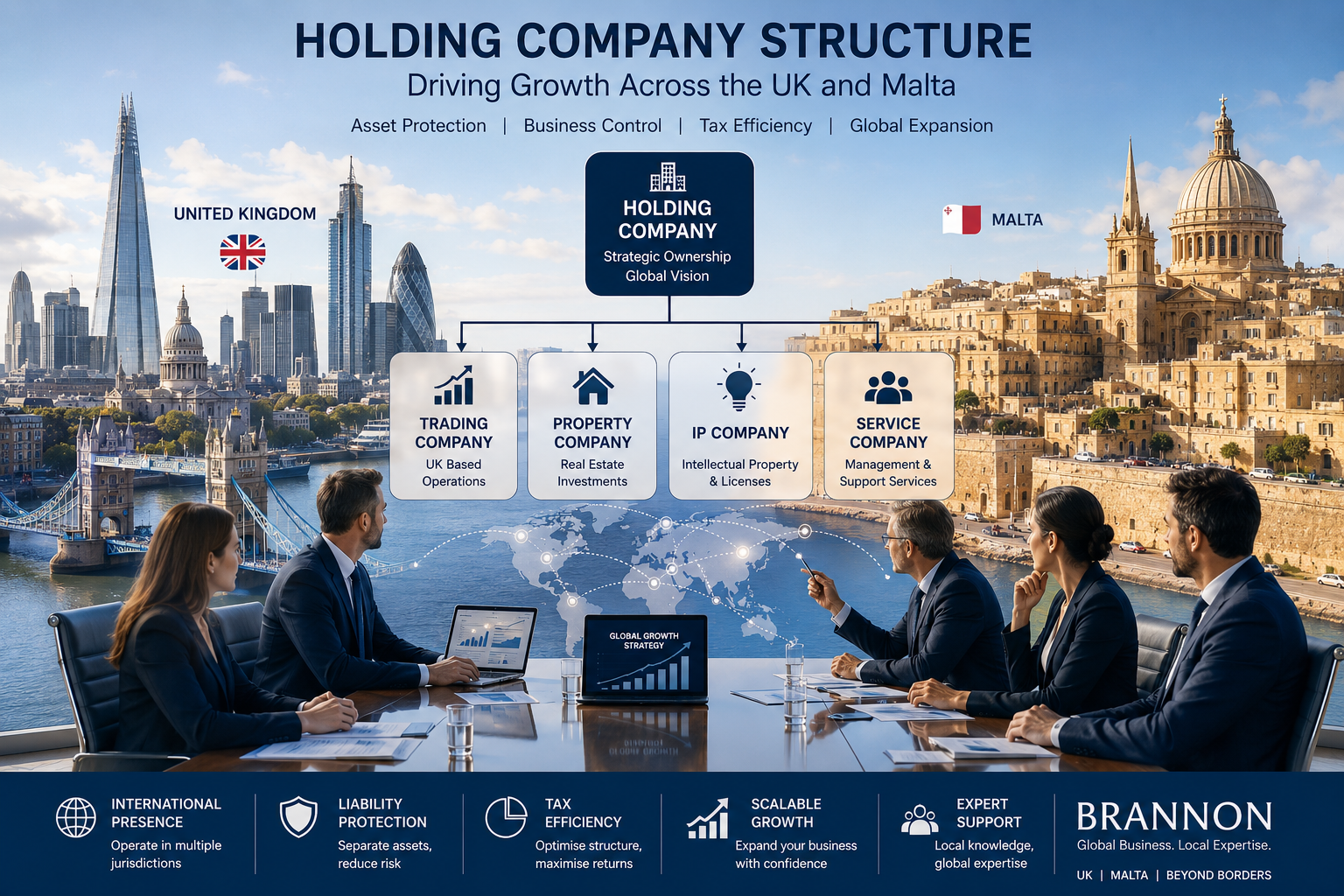
Costs associated with incorporating a company can vary significantly from one jurisdiction to another, and understanding these differences is vital for your business planning. In this post, you’ll discover why the incorporation costs in the UK and Ireland offer more value compared to those in Malta. By exploring the fees, ongoing expenses, and potential savings, you’ll be better equipped to make an informed decision that benefits your company in the long run.
Overview of Incorporation Costs
The incorporation costs are the expenses incurred when establishing a company. Understanding these costs is vital for anyone considering setting up a business in different jurisdictions, such as the UK, Ireland, and Malta. Each region has its specific fees, regulatory requirements, and additional expenses that can significantly impact your decision.
Definition of Incorporation Costs
Costs associated with incorporation typically include registration fees, government taxes, and professional services. When you decide to incorporate, you must budget for various expenses, ranging from initial registration to ongoing compliance costs. These costs can vary widely depending on the country and the complexity of your business structure.
Moreover, incorporation costs can also encompass other fees, such as licensing, permits, and legal consultations. Hence, it’s crucial to evaluate all potential expenditures to gain a true understanding of what incorporation entails in your chosen location.
Key Factors Influencing Costs
Any assessment of incorporation costs will reveal a variety of influences that can affect your overall expenditure. Key factors include the location of incorporation, the type of business structure you choose, the complexity of your operational processes, and specific local laws and regulations. Here are a few guiding points:
- Registration fees vary significantly by country.
- Professional service fees are influenced by the business’s complexity.
- Legal compliance and ongoing annual review costs can accumulate.
- Tax implications can differ depending on your business structure and location.
- Thou should also consider the regulatory environment of each jurisdiction.
Again, the costs associated with incorporating a business are often determined by the factors mentioned above. Understanding these details can help you plan your budget more accurately. Additional cost elements may include:
- Consultation fees from legal and financial advisors.
- Cost of acquiring necessary business permits and licenses.
- Ongoing administrative costs for maintaining compliance.
- Variations in tax rates depending on your structure and earnings.
- Thou should also factor in potential penalties for non-compliance.
Comparison Metrics
Costs analysis becomes clearer when you employ specific comparison metrics to evaluate different jurisdictions. By breaking down the elements that contribute to incorporation costs, you can identify which country offers the best value for your specific business needs. The following table summarizes critical metrics for comparison:
| Criteria | UK | Ireland | Malta |
|---|---|---|---|
| Initial Registration Fee | £12 | €100 | €245 |
| Annual Compliance Costs | Approx. £150 | Approx. €300 | €500 |
| Tax Rate | 19% | 12.5% | 35% (effective tax rate can be lower with refunds) |
Having an understanding of these metrics allows you to make informed decisions regarding your incorporation strategy. The nuances revealed by evaluating costs can help you prioritize which jurisdiction may serve your business objectives best.
As you proceed, remember that incorporating your business involves more than just the initial costs. The long-term implications of your choice of location can have a lasting impact on your company’s growth and success. A detailed comparison can be paramount to ensure you establish your company under the most favorable conditions possible. The details laid out below will further clarify different areas of consideration.
| Aspect | UK | Ireland | Malta |
|---|---|---|---|
| Time to Incorporate | 24 hours | 1–2 weeks | 1–2 weeks |
| Language Requirements | English | English/Iris | English/Maltese |
| Operational Flexibility | High | Medium | Medium |
A comprehensive understanding of these aspects can empower you in making a sound decision. Your incorporation journey will be smoother when you align your strategy with cost assessment insights specific to your business plans.
Incorporation Costs in Malta
If you are considering incorporating your company in Malta, understanding the associated costs is crucial for weighing your options. The initial expenses can significantly impact your decision-making process and overall budget. In this section, we will explore the different aspects of incorporation costs in Malta, detailing what you can expect when establishing your business.
Initial Setup Costs
Costs for setting up a company in Malta can vary depending on several factors, including the type of business entity you choose and the services you require. Generally, the registration fee ranges from €245 to €585, depending on your authorized share capital. Additionally, you may need to hire a local service provider to help you navigate the legal requirements, which can add anywhere from €500 to €2,000 to your initial costs. Don’t forget to factor in expenses for your business plan, legal consultations, and any necessary permits that might apply to your specific industry.
It’s common for entrepreneurs to overlook additional costs, such as the need for a registered address and a local company secretary, which are mandatory requirements. These costs can escalate, making it imperative for you to budget adequately and keep track of all potential expenses. The initial investment can quickly add up, so it’s advisable to get comprehensive quotes and establish a clear financial plan before proceeding.
Ongoing Maintenance Costs
One ongoing aspect of running a business in Malta is the recurring maintenance costs that you will incur each year. This typically includes annual compliance and filing fees, which can cost between €200 and €1,000, depending on your company’s size and structure. Additionally, you may need to set aside funds for accounting and auditing services, which are crucial for meeting local regulatory requirements. Using a professional accountant will not only ensure compliance but can also save you from costly fines later on.
Another important ongoing cost to consider is the value-added tax (VAT) registration fee if your business reaches the VAT threshold. Additionally, if you hire employees, you need to budget for salaries, social security contributions, and other employee-related expenses. Your operational costs will likely increase as your business grows, so it’s wise to regularly review your financial strategy to account for these changes and ensure that you remain compliant with Maltese regulations.
Tax Implications
Costs associated with taxes in Malta can be both beneficial and challenging, depending on your company’s financial framework. Malta offers a relatively favorable tax regime, including a corporate tax rate of 35%. However, you could potentially benefit from a tax refund system that allows businesses to reclaim part of the tax paid, effectively lowering the tax burden. This makes it appealing for many international businesses looking to optimize their tax strategies.
A deeper understanding of the tax implications in Malta is crucial for successful financial planning. Be prepared to research into the specifics of the tax system, as the process of claiming refunds can be complicated. Engaging a qualified tax advisor who is familiar with Maltese tax law can save you significant time and money, ensuring that you take full advantage of the available tax benefits without falling foul of the regulations.
Incorporation Costs in the UK
Once again, it’s necessary to understand the incorporation costs applicable in the UK as you evaluate your options for establishing a company. The UK offers a straightforward and efficient process, which contributes to its overall attractiveness for businesses. By understanding the initial setup costs, ongoing maintenance costs, and possible tax advantages, you can make informed decisions that align with your business goals.
Initial Setup Costs
Incorporation in the UK generally involves moderate initial setup costs, which can vary based on specific requirements. When you incorporate a company, you need to pay a registration fee, which is often significantly lower than in many other jurisdictions. Additionally, consider any professional services you may require, such as legal advice or accounting assistance, to ensure compliance with local laws.
Furthermore, the cost of naming your business may also have an impact on your initial investment. While many companies opt for basic services that fit their budget, you might want to think about potential costs for trademarks or domain registrations to protect your brand identity as you start your venture.
Ongoing Maintenance Costs
Maintenance costs are another critical aspect to consider when evaluating the overall incorporation expenses in the UK. After you successfully incorporate your company, you will need to budget for annual costs such as filing annual returns and accounts with Companies House. These fees are relatively moderate compared to various other countries.
Moreover, you might also incur expenses related to bookkeeping and financial auditing, depending on the size and complexity of your business operations. By budgeting effectively, you can manage these ongoing costs and ensure that your company remains compliant with the required regulations.
Initial obligations for ongoing maintenance also encompass any updates required for changes to your company structure and ensuring that your records stay current. You must stay vigilant to avoid unnecessary penalties that could arise from non-compliance.
Tax Advantages
Setup costs in the UK also present several potential tax advantages that can positively affect your bottom line. Generally, the UK has a competitive corporate tax rate and a range of allowances and deductions that your company can benefit from. By understanding these tax structures, you can strategically plan your finances to maximize your benefits.
This understanding of the UK tax system allows you to make the most of opportunities such as research and development tax credits, which can offer significant financial advantages for companies engaging in innovative projects. Leveraging these opportunities can help you reduce your tax burden considerably, further enhancing the appeal of incorporating in the UK.
Incorporation Costs in Ireland
Your journey towards setting up a business in Ireland begins with understanding the initial setup costs. This can greatly impact your decision as you formulate your business plans. Any new company must pay a registration fee to the Companies Registration Office (CRO), which typically ranges from €50 for online applications to €100 for paper submissions. Additionally, professional fees for legal advice and assistance in drafting the required documentation should also be factored in. You’ll need to consider the costs associated with acquiring a registered office address, which can be an important legal requirement for your business in Ireland.
Initial Setup Costs
Any business owner should also account for additional expenses that may arise during the initial setup phase. These can include the purchase of insurance, the cost of securing licenses or permits necessary for your specific industry, and, if applicable, the investment in tangible assets such as equipment or technology. You may also want to explore the potential need for accounting services to help navigate your finances in the early stages. While these costs can vary significantly based on the nature and scale of your business, it is imperative to budget wisely to ensure a smooth start.
Ongoing Maintenance Costs
The ongoing maintenance costs of running a company in Ireland are imperative for your operational success. These expenses typically include annual filings with the CRO, professional services for accounting and tax preparation, as well as costs related to compliance with regulatory requirements. Be advised that failing to meet these obligations could result in penalties, so budgeting for them is crucial. You might also want to consider the cost of maintaining a registered office address and any updates or amendments needed for your company details.
With ongoing operational expenses, you need to think about costs associated with employee salaries, office rent, utilities, and operational supplies. Depending on your business model, you may also require funding for marketing and advertising initiatives to ensure your company’s growth and visibility. It is imperative to track these costs regularly to maintain a robust financial health for your enterprise.
Tax Incentives
The tax incentives available in Ireland can be a significant factor in deciding to incorporate locally. Ireland is well-known for having a competitive corporate tax rate, currently standing at an attractive 12.5%. This policy aims to encourage businesses to set up and grow within the country, making it an appealing destination for both local and foreign investors. In addition to the low corporate tax rate, Ireland offers various grants and financing schemes designed to support businesses in their start-up phase. These can provide you with imperative funding to help kickstart your venture.
For instance, the Knowledge Development Box allows companies that generate income from intellectual property to benefit from an even lower effective tax rate. Many small and medium-sized enterprises can also access Start-up Refunds for Entrepreneurs (SURE), which provides an initial tax rebate for investments in new businesses. These incentives can make a substantial difference in your overall incorporation costs and long-term profitability, setting your business on a path to success within the competitive landscape.
Comparison of Including Additional Costs
Now, when considering incorporation costs for companies, it’s vital to look beyond the initial setup fees. Various additional costs can significantly impact the overall expenditure of running a business. To give you a clearer perspective, below is a table comparing some of these additional expenses in the UK, Ireland, and Malta.
| Regulatory Compliance Expenses | UK & Ireland |
| Legal Fees | UK & Ireland |
| Accounting and Audit Costs | UK & Ireland |
Regulatory Compliance Expenses
An often-overlooked aspect of running a business is the cost of regulatory compliance. In the UK and Ireland, these costs are typically lower due to streamlined processes and clear guidelines from regulatory bodies. This makes it easier for you to ensure your business remains compliant without incurring exorbitant costs. Conversely, Malta’s regulatory environment can be more complex, requiring you to navigate through additional layers of bureaucracy, which could lead to higher expenses.
Moreover, both the UK and Ireland prioritize transparency and efficiency when it comes to regulatory frameworks. This not only reduces the compliance costs but also fosters a business-friendly environment, allowing companies to operate smoothly. As a business owner, this means more resources can be allocated towards growth and innovation rather than being tied up in compliance red tape.
Legal Fees
Fees associated with legal services can vary significantly across different countries. In the UK and Ireland, you will find competitive rates for legal advice, particularly if you engage with established law firms that are used to working with businesses. This can be beneficial, as it allows you to access quality legal support without breaking the bank. In contrast, in Malta, legal fees can be steeper due to a limited pool of legal professionals with expertise in corporate law and higher demand for their services.
Another factor to consider is that both the UK and Ireland have well-established legal systems that offer a sense of security and predictability in your business dealings. This might lead to fewer legal disputes and, in turn, lower overall legal expenses, allowing you to focus on building your business effectively.
Accounting and Audit Costs
Including accounting and audit costs in your operating budget is necessary, as these expenses can directly impact your company’s financial health. In the UK and Ireland, you can expect reasonable rates for accounting services, thanks to a competitive market and a strong emphasis on standards that promote efficiency. By reducing uncertainty about financial reporting and compliance, these countries provide a conducive environment for business operations. In contrast, Malta’s smaller market can lead to inflated accounting fees, causing a burden on your operational budget.
A vital point to note is that the UK and Ireland also boast robust technology-driven accounting solutions. This enables you to automate many of your financial tasks, further minimizing costs and increasing accuracy. With suitable technology in place, your focus can shift to strategic financial decisions rather than getting bogged down by manual processes, adding another layer of efficiency to your business operations.
Benefits Beyond Cost: Incorporating in the UK and Ireland
For entrepreneurs looking to incorporate their businesses, the benefits go far beyond just cost savings. The UK and Ireland provide a robust business environment that fosters growth, offers numerous resources for support, and presents opportunities to tap into a diverse market. With these elements combined, it becomes clear why incorporating in these regions may be a more strategic choice compared to others, such as Malta.
Business Environment and Support
Benefits of incorporating in the UK and Ireland include access to a supportive business ecosystem that encourages innovation and entrepreneurship. The regulatory frameworks in both countries are designed to nurture start-ups and small businesses, providing a streamlined process for registration and compliance. Additionally, there are numerous government-backed initiatives, grants, and tax incentives available to help start-ups thrive, which can significantly ease your initial financial burden.
You will also find various networking opportunities with industry peers, mentorship programs, and accelerators that can provide valuable guidance as you grow your business. These resources are vital if you wish to develop strong relationships and gain insights from experienced entrepreneurs. The presence of established companies and innovative start-ups in the UK and Ireland further enhances the collaborative atmosphere, allowing you to leverage shared experiences and knowledge.
Access to Markets
The strategic geographical location of the UK and Ireland provides unparalleled access to markets not only within Europe but also globally. Both countries have well-established trade agreements and infrastructural networks that facilitate smooth international commerce. As you expand your business, you will benefit from a skilled workforce and robust logistics, giving you the edge you need to reach new customers and partners.
Environmentally, the UK and Ireland are positioned at the crossroads of Europe and the Americas, providing a vital link for shipping and transportation. This centrality allows you to efficiently access key markets, ensuring your products and services can be delivered with minimal delays, thus increasing your competitiveness in the global arena.
Quality of Life and Work Culture
With the emphasis on quality of life and a strong work culture, the UK and Ireland offer environments that attract top talent and encourage a productive workforce. Both countries are known for their diverse communities, vibrant cities, and rich cultural experiences that enhance both personal and professional life. You will likely find that employees are more engaged and motivated when they feel a sense of belonging and can enjoy a good work-life balance.
A central aspect of the work culture in the UK and Ireland is collaboration and inclusivity. By fostering open communication and teamwork, companies tend to cultivate innovative problem-solving approaches that drive success. As an entrepreneur, you should feel confident that you’re not only creating a business but also building a community that values contributions from all individuals.
Final Words
Taking this into account, when considering incorporation costs for your company, it’s crucial to look beyond just the surface-level fees. The UK and Ireland offer comprehensive advantages, such as streamlined processes, favorable taxation frameworks, and a strong legal system that can ultimately save you money and provide greater long-term benefits compared to Malta. You should carefully assess how these factors align with your business objectives and operational needs, as they play a pivotal role in establishing a solid foundation for your enterprise.
Moreover, understanding the implications of the innovation-friendly environments in the UK and Ireland can provide you with the assurance that your business will not only be set up efficiently but will also have the capabilities to thrive in a competitive market. By choosing these jurisdictions for incorporation, you can position your company to leverage greater opportunities for growth and sustainability. So, as you make your decision, remember to weigh the long-term advantages and the potential for expansion that the UK and Ireland offer over Malta.
FAQ
Q: What are the main factors contributing to the lower incorporation costs for companies in the UK and Ireland compared to Malta?
A: The lower incorporation costs in the UK and Ireland can be attributed to several factors. Firstly, both countries have streamlined registration processes that minimize administrative fees and time requirements. Additionally, they benefit from a more competitive environment in terms of legal and accounting services, which can lower overall professional fees. Furthermore, the UK and Ireland have favorable tax regimes that often come with simpler compliance obligations, reducing the cost of maintaining a business after incorporation.
Q: How do ongoing operational costs differ between companies incorporated in Malta, the UK, and Ireland?
A: Ongoing operational costs can vary significantly among these jurisdictions. Malta generally imposes higher annual maintenance fees, including mandatory audits and compliance costs, especially for international businesses. In contrast, the UK and Ireland offer more flexible accounting and tax compliance requirements, leading to lower ongoing costs. For example, smaller companies in the UK may not require an audit unless they exceed certain thresholds, while Ireland’s relatively low corporate tax rates can be more advantageous for business operations.
Q: What are the advantages of incorporating in the UK or Ireland from an international perspective, especially compared to Malta?
A: Incorporating in the UK or Ireland provides several advantages for international businesses. Both countries are part of the Common Law system, which offers robust legal protections and a predictable business environment. This attracts foreign investment and increases international credibility. Furthermore, the UK and Ireland maintain various double taxation agreements that can help businesses avoid paying tax in multiple jurisdictions. Although Malta has similar agreements, the UK’s and Ireland’s reputations in global finance and their established corporate infrastructures often present superior options for international trade and investment.