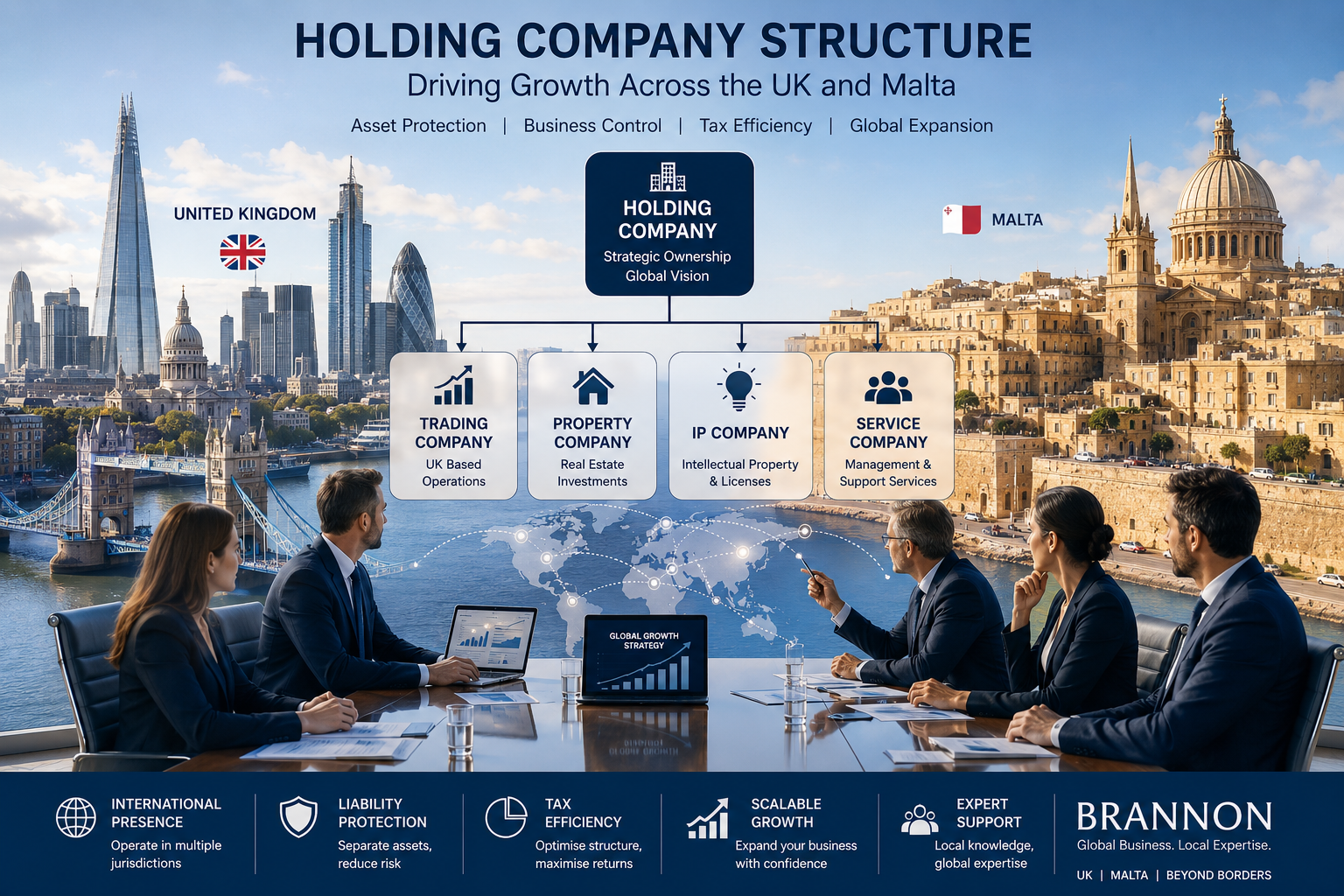
Malta may be known for its attractive climate and lifestyle, but when it comes to company formation costs, the UK stands out as the more economical choice for entrepreneurs like you. With lower registration fees, fewer hidden charges, and a streamlined process, establishing your business in the UK can save you significant money compared to Malta and Ireland. In this blog post, we’ll break down the reasons why the UK offers more competitive pricing and should be your top consideration for launching your business.
Overview of Company Formation Costs
For anyone looking to start a business, understanding the costs associated with company formation is crucial. These costs can vary significantly based on the jurisdiction you choose, and it is important to analyze and compare these differences to make an informed decision. In this chapter, we will investigate into the definition of company formation, the factors that influence costs, and a comparative analysis of the costs involved in forming a company in the UK, Malta, and Ireland.
Definition of Company Formation
For starters, company formation refers to the legal process of registering a business as a separate legal entity. This process typically involves several key steps, such as choosing a suitable business structure (e.g., limited liability company, sole proprietorship), registering with the appropriate governmental authorities, and obtaining necessary licenses or permits. Understanding this process will allow you to navigate the complexities of establishing a business more effectively.
Furthermore, the costs associated with company formation can encompass various elements, including registration fees, legal expenses, and additional administrative costs. These expenses can add up quickly, making it important for you to assess and compare them carefully before proceeding with your business venture.
Factors Influencing Costs
For many entrepreneurs, several factors can influence the overall costs of company formation. These factors typically include the type of business structure you choose, the specific jurisdiction’s registration fees, the complexity of your business model, and any additional legal services you might require. Each aspect can contribute significantly to the final costs of setting up your company.
- Type of business structure (e.g., limited company or partnership)
- Jurisdictional registration fees and requirements
- Legal and consultancy fees
- Licensing and permit costs
- Compliance and ongoing regulatory costs
Knowing these factors will help you budget appropriately and choose a jurisdiction that aligns with your financial capabilities. It is also important to consider any ongoing costs associated with operating your business, as these can also impact your overall financial health.
- Business location and operating costs
- Accounting and bookkeeping expenses
- Taxes specific to the jurisdiction
- Insurance and risk management costs
- Employee or contractor payroll expenses
Company formation costs are not static; they can change depending on different variables such as updates in regulations and market conditions. You need to stay informed about these changes to avoid unexpected expenses in the future.
Comparative Analysis of Jurisdictions
In this section, we will perform a comparative analysis of company formation costs in the UK, Malta, and Ireland. Understanding these differences can help you determine the most cost-effective jurisdiction for your business.
Company Formation Costs Comparison
| Jurisdiction | Estimated Formation Costs |
|---|---|
| UK | £12-£100 |
| Malta | €245-€600 |
| Ireland | €300-€500 |
With this comparative information, you can see that the UK offers a more attractive option for company formation costs. The lower range of costs in the UK makes it a favorable choice compared to Malta and Ireland, allowing you to allocate your resources toward different aspects of your business instead.
Additionally, while costs are an important factor, you should also consider the overall business environment, ease of doing business, and additional regulatory requirements in each jurisdiction. This will ensure that you make a well-rounded decision that suits your long-term business goals.
Company Formation in the UK
Overview of the UK Business Environment
The UK boasts a robust and dynamic business environment that encourages entrepreneurship and innovation. You will find that the regulatory framework is generally business-friendly, with a legal system that supports contract enforcement and protects intellectual property. The diverse economy means there’s a market for almost any type of business, whether you’re entering sectors like technology, finance, or manufacturing. Furthermore, the UK has established itself as a global business hub, making it an attractive location for international business operations.
Any new company formation is supported by resources and tools that simplify the process for entrepreneurs. The presence of numerous chambers of commerce, professional networks, and government initiatives provides you with ample resources to guide your journey. Moreover, the UK government frequently introduces policies aimed at reducing barriers to entry for startups, creating financial incentives, and enhancing overall business productivity.
Cost Structure in the UK
One of the most compelling reasons to consider company formation in the UK is its competitive cost structure. The costs involved in setting up a business are generally lower than those in both Malta and Ireland. You’ll encounter transparent registration fees, minimal capital requirements, and a streamlined taxation process. This makes it easy for you to manage your finances as you initiate your company operations.
Formation costs typically include registration fees, annual filing costs, and potential expenses for professional services such as legal and accounting support. These costs are relatively straightforward, allowing you to budget effectively from the beginning. Additionally, many service providers in the UK offer packages specifically designed for startups, which can further reduce your initial expenses.
Time Efficiency in Company Registration
Cost efficiency is closely tied to time efficiency when it comes to company registration in the UK. The registration process is especially streamlined, allowing you to establish your business within a matter of days. With online services readily available, you can fill out necessary paperwork and submit your application at your convenience, meaning less downtime as you get your business off the ground.
Plus, the ability to receive your company registration number swiftly allows you to access banking services and secure contracts without lengthy delays, giving you an edge in the competitive market. This quick turnaround ensures that you can concentrate on growth and scaling your business rather than getting bogged down in administrative tasks.
Company Formation in Malta
Many entrepreneurs are drawn to Malta for its strategic location, robust economy, and favorable business climate. However, before you decide to establish your company in this Mediterranean paradise, it’s vital to understand the unique economic landscape and cost factors associated with company formation in Malta. By equipping yourself with the necessary information, you can make an informed decision about where to set up your business.
Economic Landscape in Malta
Landscape-wise, Malta is an emerging hub for various sectors, including finance, gaming, and technology. The financial services sector, in particular, has been a driving force behind the country’s economic growth, benefiting from a favorable regulatory framework and a skilled workforce. You’ll find the local economy to be highly adaptable, making it easier for businesses to thrive in rapidly changing markets. Moreover, the nation’s EU membership provides access to a wider consumer base and ensures compliance with European standards, which can be advantageous for your business.
However, while the economy is flourishing, Malta is also characterized by its limited size and resources. This could pose challenges in terms of competition for local markets and access to specialized talent. Recognizing these dynamics will be vital as you chart your course towards forming a company in this landscape, allowing you to develop strategies that leverage Malta’s economic strengths while mitigating potential drawbacks.
Cost Analysis of Company Formation in Malta
Landscape considerations regarding the cost of company formation in Malta are multifaceted. On the one hand, Malta offers competitive registration fees and low annual maintenance costs, which can be appealing to small and medium-sized enterprises. On the other hand, you may encounter additional financial obligations, such as capital requirements or legal fees depending on your business structure. Understanding the full scope of these costs is critical to ensure that your budget aligns with your business objectives.
For instance, the minimum share capital requirement in Malta is relatively low compared to other jurisdictions, but certain business types, such as public companies, impose higher capital thresholds. Additionally, professional services such as accounting and legal assistance can vary widely in terms of pricing, depending on the complexity of your company structure and needs. Therefore, conducting thorough research and possibly consulting with a local expert will help you accurately assess the financial landscape of forming a company in Malta.
Regulatory Considerations
For any entrepreneur considering Malta as a business location, regulatory considerations play a crucial role in your decision-making process. The legal framework for company formation in Malta is well-established, providing a robust system that caters to various types of entities, including limited liability companies and partnerships. While this regulatory clarity is beneficial, you must also comply with ongoing obligations such as annual filings and audits, which can add to your administrative workload. Understanding these regulations will enable you to navigate the formation process more efficiently.
Company registration in Malta is generally straightforward; however, it is vital to stay informed about the latest regulatory changes and compliance requirements. Working with a local lawyer or corporate service provider can significantly ease the complexities of the registration process, ensuring that you meet all legal obligations from the onset. Such support can also provide insights into potential tax advantages or incentives that may apply to your business, ultimately leading to a more favorable setup in this appealing jurisdiction.
Company Formation in Ireland
Now, when considering the establishment of a business, one of the priority factors you’ll encounter is the environment in which you choose to set up. Ireland’s business ecosystem is robust and thriving, making it an attractive destination for entrepreneurs. With a favorable corporate tax rate, a skilled workforce, and a favourable geographical position within the EU, Ireland has cultivated a landscape where innovation and commerce can flourish. Moreover, the Irish government actively supports startup initiatives through various grants and funding opportunities, significantly adding to the country’s appeal for business formation.
The Irish Business Ecosystem
Business growth in Ireland is further bolstered by a vibrant support network comprising both public and private sector initiatives. You will find a plethora of resources available for business advisory services, mentoring programs, and access to co-working spaces, which cater to startups and established companies alike. This environment not only promotes entrepreneurship but also encourages foreign direct investment, creating an integral hub for companies looking to expand their global reach.
Breakdown of Company Formation Costs in Ireland
Costs associated with setting up a business in Ireland can vary widely depending on the type of company you wish to establish and the specific services you require. Primarily, you will encounter registration fees, legal fees, accounting services, and potential consulting services for compliance. Some of the base costs include the company registration fee, which is around €50 for online submissions, and it can rise significantly if you require additional legal advisory on company structure and compliance requirements.
It is imperative to consider that while initial setup costs can seem moderate, ongoing yearly costs such as auditing, tax compliance, and other regulatory fees can contribute substantially to your overall budget. Being aware of these costs upfront can help you strategically plan your business finances, ensuring the smooth establishment and operation of your company.
Comparisons with UK Costs
Business formation costs can often be a decisive factor in choosing where to set up your company. In Ireland, while the entry-level formation costs may appear to be competitive, you should also take into account the additional expenses that may arise. The following table breaks down key company formation costs between the UK and Ireland for a clearer perspective.
| Cost Item | Approximate Cost (EUR/GBP) |
|---|---|
| Company Registration Fee | €50 / £12 |
| Legal Fees | €750 / £500 |
| Accounting Services (annually) | €1500 / £800 |
| Audit Fees (if applicable) | €2000 / £1500 |
Comparisons reveal that while initial formation fees in Ireland might have a competitive edge, your ongoing costs can accumulate quickly. The regulatory environment in the UK can also offer a more streamlined approach with less bureaucratic oversight, potentially lowering some of your long-term operational costs and complexities.
| Cost Element | Approximate Cost (EUR/GBP) |
|---|---|
| Corporate Tax Rate | 12.5% / 19% |
| Annual Filing Fees | €100 / £40 |
| Employee Taxes | Average 43.39% / Average 32% |
Understanding these comparisons will help you weigh the financial implications of forming your company in either location. Ultimately, the key is to evaluate not only the initial setup costs but also the ongoing fiscal environment and regulatory obligations you would face, guiding you toward the best decision for your business needs.
Advantages of UK Over Malta and Ireland
Unlike Malta and Ireland, the UK offers a unique set of advantages for entrepreneurs looking to form a company. The blend of a robust business environment, strategic incentives, and a simplified regulatory framework makes the UK an appealing destination for both domestic and international business formation. Whether you are a seasoned entrepreneur or a newcomer to the business world, understanding these benefits can guide you in making your decision about where to establish your company.
Tax Incentives and Benefits
For many business owners, tax considerations are at the forefront when choosing a location for company formation. The UK provides competitive corporate tax rates and a range of tax incentives for innovative businesses through initiatives like the Research and Development (R&D) tax credits. These financial advantages can significantly bolster your company’s bottom line while encouraging innovation and development, helping to set you up for long-term success.
Additionally, the UK’s straightforward tax structure reduces the complexity often associated with compliance in other countries, such as Malta and Ireland. This clarity allows you to focus more on growing your business rather than getting bogged down in red tape.
Regulatory Environment
On the regulatory front, the UK has established a business-friendly environment characterized by transparency and efficiency. The process of company registration is straightforward, ensuring that you can get your business up and running without unnecessary delays. The UK Companies House provides an efficient digital service, allowing you to file the necessary documents online and receive immediate confirmation of your company registration.
Another key aspect of the UK’s regulatory framework is its commitment to protecting business interests. The legal system provides a strong foundation for enforcing contracts and protecting intellectual property rights, bolstering your confidence in doing business within the country. This sense of security can be crucial for fostering investor and consumer trust in your enterprise.
Ease of Doing Business
Over the years, the UK has consistently ranked high on the Ease of Doing Business index. This is largely due to its straightforward processes for starting a business and obtaining necessary permits. You can expect less bureaucracy, which translates to quicker turnaround times and lower levels of frustration as you navigate the initial setup of your enterprise. The availability of numerous online resources also streamlines the process, allowing you to manage your company formation with ease.
A significant portion of this ease comes from the supportive business environment fostered by the UK government. Various initiatives and organizations are dedicated to assisting new businesses, providing useful guidance and resources to ensure that you have everything you need to succeed. This collaborative spirit empowers you in your business establishment journey, making the UK a top choice compared to Malta and Ireland.
Common Misconceptions About Company Formation Costs
Keep in mind that many entrepreneurs and business owners often have distorted perceptions when it comes to company formation costs. These myths can lead you to make decisions that aren’t in your best interest. One common misconception is that setting up a company in the UK is significantly more complicated and expensive than in countries like Malta or Ireland. For example, while initial costs may appear lower in those nations, the real expenses associated with compliance, maintenance, and taxation can add up quickly over time. It’s crucial to differentiate between the initial fees and the broader financial implications of managing a company long-term.
Myths vs. Reality
For those unfamiliar with the intricacies of company formation, it’s easy to assume that the lowest upfront costs equate to the most economical option. However, these decisions often overlook how additional requirements can spiral into larger financial burdens. For instance, Malta’s tax incentives may seem appealing; however, the associated compliance requirements often negate those benefits. Understanding the long-term costs involved will provide you with a more realistic picture of what company formation entails.
Hidden Costs and Fees
Costs related to company formation can often be more extensive than initial quotes suggest. You may encounter hidden costs that could take you by surprise, such as government fees, legal documentation, ongoing compliance costs, and even local taxes that aren’t immediately apparent. These additional financial obligations can make what seemed like a cost-effective choice far less appealing as time goes on. Being aware of these potential expenses is necessary when evaluating your options for establishing a company.
It’s necessary to conduct thorough research and consider all possible expenses when planning for company formation. While some countries may advertise low starting prices, hidden costs may include fees for professional services, regular audits, and the time you will need to invest to stay compliant with local regulations. Make sure to account for these factors when deciding where to establish your business.
Long-Term Benefits of UK Formation
Hidden among company formation costs are the long-term benefits associated with establishing your business in the UK. Many companies find that while initial costs may be higher compared to other nations, the infrastructure, access to funding, and global market that the UK offers can outweigh those immediate expenses. You get the opportunity to benefit from a strong legal framework, reputable branding, and an extensive network of business support systems, all of which contribute to your growth and sustainability.
With careful planning and a clear understanding of both the initial and ongoing expenses, you will be positioned to make informed decisions that will pay off in the long run. The competitive advantages provided by operating in the UK—such as access to a vast consumer base and a stable business environment—can lead to more significant financial gains as your company flourishes. Your investment in company formation will ultimately pave the way for comprehensive benefits that go beyond what other countries may offer.
To wrap up
Summing up, when comparing company formation costs among the UK, Malta, and Ireland, you will find that the UK often emerges as a more cost-effective option. The straightforward process of registering a business, lower registration fees, and the absence of high initial capital requirements make the UK an attractive destination for entrepreneurs looking to establish themselves without incurring excessive costs. The streamlined online services provided by Companies House further reduce administrative overhead, allowing you to focus more on your business and less on paperwork.
Additionally, the UK’s diverse and competitive market, along with its robust legal framework, provides a highly conducive environment for your business to thrive. While Malta and Ireland offer unique benefits, they often come with additional costs that can burden new businesses. By choosing the UK for your company formation, you not only save on initial expenses but also set your venture on a path to success with greater financial flexibility. Therefore, if you are considering where to form your company, the UK stands out as a smart choice that balances affordability and opportunity.
FAQ
Q: What are the main reasons why company formation costs in the UK are lower than in Malta and Ireland?
A: The primary reasons for lower company formation costs in the UK include competitive registration fees, less complex regulatory requirements, and the availability of streamlined online services. The UK government has invested in creating an efficient and user-friendly business environment, allowing startups to register quickly and affordably. In contrast, Malta and Ireland have higher statutory fees and additional compliance costs, making it more expensive for businesses to establish themselves.
Q: How do ongoing costs after company formation in the UK compare to Malta and Ireland?
A: Ongoing costs in the UK are generally lower due to affordable annual filing fees and more straightforward tax obligations. Companies in the UK typically face less bureaucratic red tape, leading to lower administrative costs. In contrast, businesses in Malta and Ireland can encounter higher corporate tax rates and additional fees for necessary regulatory filings, which add to the overall financial burden of maintaining a company.
Q: Are there any hidden costs associated with company formation in the UK that potential business owners should be aware of?
A: While the initial formation costs in the UK are generally lower, potential business owners should still be cautious of hidden costs such as legal fees for additional services, accounting fees for compliance purposes, or costs related to maintaining a registered address. Some companies may also choose to hire professional agents to assist with company registration, which could lead to additional expenses. However, these costs are often still less than those encountered in Malta and Ireland.