


Welcome to our blog post about bad credit in the UK! If you’ve ever wondered what exactly bad credit is and how it can affect your financial health, you’ve come to the right place. In this article, we’ll take a deep dive into the world of negative credit and examine its definition, how it works, and how it affects your daily life.
We also offer practical strategies for rebuilding your credit and dealing with the legal issues and consumer rights associated with poor credit. So grab a cup of tea (or coffee) and empower yourself with knowledge on this important topic!
What is negative credit?
Negative credit is a situation in which a person has a poor credit history or a low credit score. This indicates that the person is having trouble managing their finances effectively, which may be due to late or missed payments, default, bankruptcy, or other financial difficulties.
Lenders and financial institutions use credit reports and credit scores to assess the creditworthiness of individuals before approving or offering loans. An unfavorable credit score can make it more difficult to secure loans, credit cards or mortgages because it poses greater risk to lenders.
A bad credit score doesn’t necessarily mean someone will be denied credit altogether, but it does typically result in higher interest rates, stricter terms, or lower credit limits. However, it is possible to improve a person’s credit score over time through responsible financial management, timely payments, and a reduction in overall debt.
How does negative credit work?
The impact of bad credit is that it affects a person’s ability to obtain credit and the terms on which it is offered. Here’s a general overview of how it works:
- Credit report: When you borrow money or use credit, your payment history and other relevant financial information is recorded by credit reporting agencies. These agencies compile this data into credit reports that lenders can access when assessing your creditworthiness.
- credit-worthiness: Credit reporting agencies also assign a credit score based on the information in your credit report. Your credit score is a numerical representation of your creditworthiness and helps lenders assess the risk of lending to you. A low credit score indicates a higher risk borrower.
- Lender Rating: When you apply for a loan, lenders check your credit report and credit score to determine whether your application will be approved and what terms they will offer. Bad credit, such as: Examples of defaults or defaults in payments in the past signal to lenders that you may be unreliable in repaying your debts.
- Effects on loan conditions: If you have poor credit, lenders may be more cautious about granting you loans. They may charge higher interest rates to compensate for the increased risk, offer lower credit limits, or impose stricter terms and conditions. In some cases, lenders may even reject your application altogether.
- Credit repair: If you have bad credit, it’s important to work on improving your credit. This can be achieved by making timely payments, reducing outstanding debts, and exhibiting responsible financial behavior over time. As you rebuild your credit, you may be eligible for better loan terms in the future.
It is important to note that different lenders have different criteria and policies regarding negative credit, so there is no one-size-fits-all approach. Understanding your credit situation and taking steps to improve it can increase your chances of getting a loan at more favorable terms.
How does bad credit affect your financial health?

Bad credit can significantly impact a person’s financial health in a number of ways. The consequences of a poor credit history can be far-reaching and lead to several challenges, including:
- Higher interest rates: Lenders view people with poor credit as higher-risk borrowers, which results in higher interest rates on loans and credit cards. This can make borrowing more expensive and affect your ability to save money.
- Limited Loan Options: If you have bad credit, you may not be eligible for certain types of loans, such as: B. Mortgages and car loans. Securing credit cards or favorable loan terms becomes challenging and limits your financial flexibility and goals.
- Increased insurance premiums: Some insurance providers, such as car insurance, use credit scores to determine premiums. Bad credit can lead to higher insurance costs and put additional strain on your finances.
- Housing difficulties: Landlords often evaluate creditworthiness when renting properties. Poor credit can make it difficult to find suitable housing.
- Employment hurdles: Certain employers incorporate credit checks into their hiring processes. Bad credit could hurt your chances of getting a job and negatively impact your overall financial stability.
Aside from these financial implications, bad credit can also affect your mental and physical well-being. Research shows that people with poor credit are more prone to stress, anxiety and depression. They are also at increased risk of health problems such as high blood pressure and heart disease.
If you’re struggling with bad credit, it’s important to take steps to improve your credit score. Improving your credit score can make it easier to access loans at lower interest rates and improve your overall financial health.
Factors that contribute to negative credit
A negative credit score can result from a variety of financial behaviors and situations. One of the main culprits is late or missed payments. Missing a payment deadline even once can have a negative impact on a person’s creditworthiness.
Multiple late payments can make the situation significantly worse and make it more difficult to get a loan in the future.
Default settings are another important factor. If a person fails to make required payments on a loan or credit account, this will result in a default. Defaults are reported to the credit bureaus and can significantly lower your credit score.
Accounts sent to Collections also contribute to a negative credit score. If a creditor gives up trying to collect a debt and sells it to a debt collection agency, that information will be recorded on the credit report, negatively impacting one’s credit score.
bankruptcyAlthough it is a legal way to pay off debt, it has a serious impact on a person’s credit score. It leaves a lasting negative impression on your credit report and makes it difficult to qualify for new loans or credit.
Do beyond that too many loan applications In a short period of time, your credit score can be affected. Each application will result in a hard inquiry on your credit report, which can temporarily lower your score.
High credit utilizationindicating that a significant portion of available credit is being used may indicate financial stress for lenders. This situation puts the borrower at greater risk and can lead to poor credit.
Aside from these common factors, there are other negative elements that can affect a credit report including Tax liens, Wage garnishmentsAnd Foreclosures. These items further damage credit scores, making it crucial for individuals to manage their finances responsibly to maintain a positive credit score.
The consequences of bad credit on your daily life

Bad credit can significantly impact daily life in a variety of ways. These consequences can be broadly divided into financial, non-financial and social impacts. Here’s an overview of what people with bad credit may encounter in their daily lives:
Financial consequences:
- Higher interest rates: If you have poor credit, you often have to expect higher interest rates when looking for loans and credit cards. Lenders view them as riskier borrowers, which results in higher borrowing costs. This can make it more expensive to manage finances and save money.
- Limited Loan Options: Poor credit can limit access to various types of credit, such as mortgages and car financing. There may also be difficulties securing credit cards. This restriction limits financial options and makes it difficult to achieve financial goals.
- Increased insurance premiums: Certain insurance providers, particularly in the area of motor vehicle insurance, use credit scores to determine premium rates. Poor credit can lead to higher insurance costs.
- Challenges when looking for accommodation: Some landlords take creditworthiness into account when renting out properties. Poor credit can make it difficult to find suitable housing options.
- Employment hurdles: Certain employers consider credit scores in their hiring decisions. People with poor credit can face challenges when seeking employment opportunities.
Non-financial consequences:
- Stress and Anxiety: Bad credit can cause significant stress and anxiety. Worries about bill payments, loan approvals, and housing can cause significant emotional distress.
- Mental health problems: Studies suggest that those with poor credit are more prone to stress, anxiety and depression, highlighting the impact on mental health.
- Physical health problems: Poor credit is also associated with health problems such as high blood pressure and heart disease, which can potentially affect physical well-being.
Social consequences:
Damage to relationships: Bad credit can put a strain on relationships with family, friends, and colleagues. Borrowing money from loved ones can get awkward and taking out joint loans with a partner could prove challenging.
Social isolation: People with poor credit may experience feelings of isolation and shame. They may avoid social interactions because they fear being judged based on their financial situation.
It is important to recognize that not all of these consequences apply equally to all people with bad credit. The severity of these consequences depends on various factors, including the extent of a person’s creditworthiness and general financial situation. Nevertheless, it is important for individuals to understand these potential consequences in order to take proactive measures to protect their financial, emotional and social well-being.
Rebuilding Your Credit: Practical Strategies
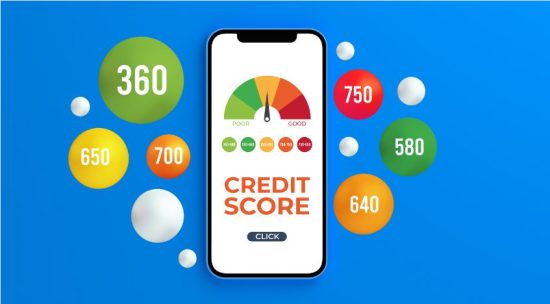
Rebuilding your credit score is a challenging but doable task. By following a few practical strategies, anyone can work on improving their credit score.
- Timely Payments: It is critical that all payments are made on time and in full. Even a single late payment can have a negative impact on your credit score. Consistent and timely payments demonstrate financial responsibility.
- Keep credit utilization low: It is advisable to keep credit utilization below 30%. This means you only use a fraction of your available credit. For example, if your credit limit is $1,000, you should try to keep your balance under $300.
- Be careful with new credit accounts: Opening multiple new credit accounts in a short period of time can temporarily lower your credit score due to hard inquiries. Avoid this by keeping your loan applications separate.
- Check your credit report regularly: Mistakes on your credit report can unfairly impact your score. Obtain your free annual credit reports from major credit bureaus and dispute any inaccuracies you find.
- Consider Secured Credit Cards: Secured credit cards that are backed by a deposit are great for people with poor or no credit history. Using these cards responsibly can have a positive impact on your credit score.
- Discover credit-building loans: These small loans, which are repaid over a longer period of time, serve specifically to improve your creditworthiness. On-time payments are reported to the credit bureaus, increasing your credit score.
- Seek professional advice: If you find it difficult to take credit repair into your own hands, consider consulting a credit counselor. They can help with budgeting, debt management, and disputing errors on your credit report.
Remember that rebuilding your credit is a gradual process that requires patience and persistence. By implementing these strategies, you can pave the way for a healthier financial future.
In the UK, consumers who find themselves in difficult credit situations are protected by a number of important laws to protect their rights. These legal frameworks include:
- The Consumer Credit Act 1974:This law regulates the rights and obligations of both borrowers and lenders. It requires lenders to assess a borrower’s affordability before approving a loan.
- The Financial Services and Markets Act 2000:This law regulates the financial services industry and sets standards for financial conduct. It enforces fair treatment of customers by financial service providers.
- The Equality Act 2010: Under Under this law, lenders are prohibited from discriminating against borrowers based on protected characteristics such as disability, race, religion, gender, sexual orientation and age. Discrimination based on creditworthiness is only permitted if there is a legitimate business reason.
Consumer rights:
Consumers struggling with credit have basic rights, including:
- Fair treatment: Lenders must assess a borrower’s affordability and clearly explain the loan terms
- Access to credit history: Consumers have the right to receive a free copy of their credit report each year from any major credit reporting agency
- Disputing errors: If errors are found in the credit report, consumers can dispute them. Credit reporting agencies are required to investigate disputes fairly and promptly
- Protection against unfair practices: Lenders are prohibited from engaging in unfair practices such as charging excessive interest rates or fees
What to do if you have bad credit?
For those who find themselves in a difficult credit situation, here are the steps to help you navigate the legal and financial landscape:
- Check your credit report: Review your credit report thoroughly and dispute any errors you find
- Budget and Debt Payoff Plan: Create a budget and a structured plan to pay off your debts. This shows responsible financial behavior towards lenders
- Consider secured loan options: Explore secured credit cards or credit-building loans to build a positive credit history
- Seek professional help: Contact a credit counselor who can help you create a debt repayment plan and help you dispute errors on your credit report
Submit a complaint:
If you believe you have been discriminated against by a lender, you can lodge a complaint with the Financial Ombudsman Service. This independent body specializes in resolving disputes between consumers and financial service providers and ensures a fair solution for all parties involved.
I’m looking for financial help with bad credit

In times of financial distress, it can be overwhelming to deal with the complexities of poor credit. Fortunately, there are several ways to help people facing such challenges.
State support: Government initiatives such as Budgeting Loans offer interest-free financial support for essential expenses as long as you meet certain performance criteria. In addition, Help to Buy supports home purchases with a deposit of at least 5%. For aspiring entrepreneurs, start-up loans provide support for viable business plans when traditional lenders refuse to support.
Charities and Non-Profit Organizations: Several reputable organizations such as StepChange Debt Charity, National Debtline, MoneyHelper and Citizens Advice are expanding their expertise to provide debt advice, budget support, creditor negotiations and support during financial crises.
Commercial Lenders That Specialize in Negative Credit: While commercial lenders that target adverse credit scores charge higher interest rates, they can be a viable solution when traditional lenders reject applications.
Well-known names like Fair Isaac Corporation (FICO), Credit Karma, Experian, and Equifax offer loans tailored to those whose credit isn’t great. It’s important to compare terms carefully to ensure you secure the best deal available.
Explore personal paths: If formal channels prove unsuccessful, reaching out to friends and family for support is a viable option. Selling personal items may also be able to generate needed funds and create a temporary financial buffer.
Essentially, individuals who find themselves in difficult credit situations should realize that help is accessible. By proactively seeking professional advice and exploring the variety of options available, you can secure the financial support needed to restore stability. Remember, reaching out and exploring these opportunities is the first step toward a better financial future.
Conclusion: Empower yourself in the face of negative credit
In summary, bad credit doesn’t have to stop you from achieving your financial goals. By following the tips in this article, you can begin to take control of your credit score and set yourself up for a better financial future. Remember to stay organized, communicate with creditors, and make responsible financial decisions.
With determination and patience, you can overcome bad credit and build a solid foundation for your finances. Don’t let your past mistakes define you – use them as motivation to find a better financial path for yourself starting today!
FAQ – What is Adverse Credit in the UK?

How can I check if my credit rating is negative?
If you’re wondering how to check if your credit score is negative, there are a few methods you can use. Here is a breakdown of the steps:
Obtain a copy of your credit report: One of the easiest ways to assess your creditworthiness is to obtain a copy of your credit report. Each of the three major credit agencies – Equifax, Experian and TransUnion – is required to provide you with a free annual credit report.
You can request your reports from all three at once, or request them in stages throughout the year. The credit report gives you a comprehensive overview of your credit history, including all of your open credit accounts, credit utilization and payment history.
Use a credit monitoring service: There are numerous credit monitoring services available that can help you keep an eye on your credit score and identify adverse entries on your credit report. Some of these services also offer credit alerts to notify you of changes to your credit report.
Contact your bank or lender: Certain banks and lenders offer credit monitoring services to their customers. To gain insight into your credit score and any negative items on your credit report, you can contact your bank or lender directly. They may be able to provide you with valuable information and advice.
Negative points complain about: If you come across any negative items on your credit report, it is important to address them immediately. You have the right to dispute inaccuracies with the credit reporting agencies. This can be done online, by telephone or by post. By disputing incorrect or unfair submissions, you can work on improving your credit profile.
How long does bad credit last?
When it comes to bad credit, many people wonder what lasting impact it has on their financial profile. Under financial regulations in the UK, negative credit scores typically remain on a person’s credit report for six years.
During this time, lenders and financial institutions may view negative credit information, which may impact a person’s ability to secure loans, credit cards or other forms of financial assistance.
Can you have negative credits removed?
Can a negative credit score be removed? The answer is a bit complex. Once a delinquency is recorded on a person’s credit profile, it cannot be removed before the six-year period has expired unless it is an error. However, there are strategies to minimize the negative effects. Payback is key.
The individual can work to ensure that the outstanding amount is paid as quickly as possible. By doing this, they not only reduce their debt but also begin the path to improving their credit score. Timely repayments demonstrate financial responsibility, which can gradually mitigate the impact of poor credit on overall creditworthiness.
How do I fix my negative credit history?
Fixing negative credit histories is critical to improving your financial health. Here are some steps you can take to resolve this issue:
- On-time and full payments: One of the most important steps is to make sure you pay your bills on time and in full. Even a single late payment can negatively impact your credit score. Therefore, make it a point to make timely payments for all your financial obligations.
- Keep credit utilization low: Keep your credit utilization low, ideally under 30%. This means not maxing out your credit cards and keeping your balance well below your credit limit. For example, if your credit limit is $1,000, you should make sure your balance stays under $300.
- Limit new credit accounts: Be careful about opening too many new credit accounts in a short period of time. Every time you open a new account, your credit report is checked, which can temporarily lower your credit score. Minimize this impact by avoiding excessive new credit applications.
- Check your credit report regularly: Check your credit report regularly for errors. You are entitled to a free annual credit report from each of the major credit reporting agencies. Read these reports carefully and dispute any inaccuracies you find.
- Consider secured credit cards and credit-building loans: If your credit score is severely affected, you may consider options such as secured credit cards or credit-building loans. A secured credit card requires a deposit equal to your credit limit.
Credit building loans are designed to help you improve your credit score over time. Timely payments on these accounts are reported to the credit bureaus and contribute positively to your score.
- Seek professional help: A credit counselor can be a valuable resource. They can help you create a budget, develop a debt repayment plan, and help you dispute errors on your credit report.
Additional tips:
- Be patient: Rebuilding your credit history takes time. So be patient and don’t expect instant results
- Be consistent: Always paying bills on time and in full is crucial to improving your credit score in the long term
- Be honest: Be transparent about your financial situation when applying for a new loan. Trying to hide your poor credit history can lead to further problems
Remember that resolving negative credit histories is an ongoing process. With dedication and these strategies, you can work toward a better financial future.

