

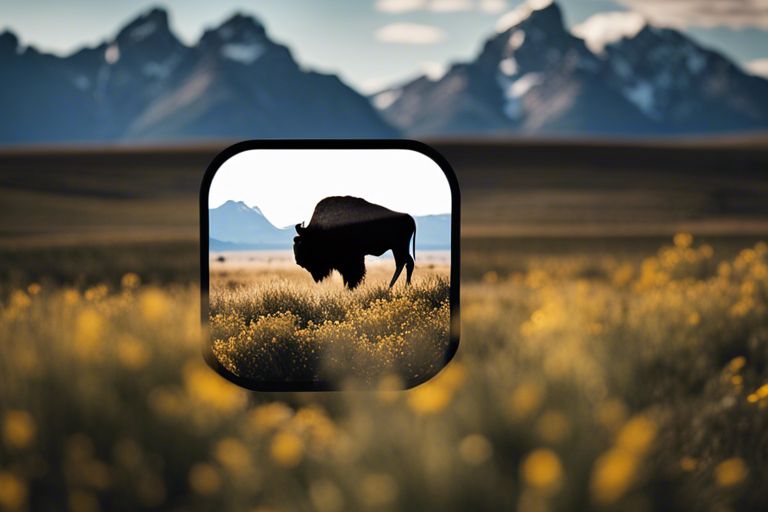
Over the vast plains and majestic mountains of Wyoming, your business identity is not just a name; it’s a reflection of the natural beauty that surrounds you. Here, you’ll learn how to weave your brand into the unique tapestry of Wyoming’s landscape, capturing the spirit of the West while standing out in a competitive market. By understanding your environment and harnessing local culture, you can create an identity that resonates with both your customers and the land itself. Let’s explore the practical steps to shaping a business that truly embodies Wyoming.
Defining Your Business Identity
For any entrepreneur in Wyoming, defining your business identity is crucial to carving out a niche in this diverse landscape. It encompasses not only the core values and mission of your business but also how you wish to be perceived by your audience. This identity serves as the foundation for your marketing efforts, customer interactions, and overall branding strategy. By understanding who you are as a business, you can better connect with your community and build lasting customer relationships.
Identifying Your Target Audience
The first step in this journey is identifying your target audience. Understanding who your ideal customers are allows you to tailor your products and services to meet their specific needs. In a place like Wyoming, where demographics can vary significantly from urban centers like Cheyenne to rural areas, you must take the time to research and analyze the preferences, lifestyles, and purchasing behavior of your potential customers.
Knowing your audience shapes your messaging and influences your branding efforts. Once you gain insight into their values and pain points, you can craft a more targeted approach that resonates with them. Consider gathering feedback through surveys or focus groups to refine your understanding and ensure your offerings align with your audience’s expectations.
Developing Your Unique Value Proposition
Defining your unique value proposition (UVP) is equally critical in establishing your business identity. Your UVP is a clear statement that explains how your business stands out from competitors and the specific benefits you offer. It clarifies why customers should choose you over other options available in Wyoming’s marketplace. To achieve this, reflect on what you do best and how you can meet customer needs in a way that others don’t.
Another aspect of developing your UVP is storytelling. It’s about conveying the essence of your brand through narratives that connect emotionally with your customers. Share your journey, values, and the mission behind your business. By creating an emotional bond, you position your brand as not just a provider of goods or services, but as a vital part of your customers’ lives—a partner they can trust in an ever-evolving landscape.
Wyoming’s Landscape: Opportunities and Challenges
It is important to understand the dual nature of Wyoming’s landscape as both an opportunity and a potential challenge when crafting your business identity. The vast expanses of natural beauty, coupled with the sparse population, create a unique environment for entrepreneurship. As you navigate this landscape, you’ll discover that your business can stand out by tapping into the rugged charm and pioneering spirit that characterize the region. However, the same isolation that gives Wyoming its charm can also present obstacles, particularly when it comes to access to markets and resources.
Harnessing the Power of Natural Beauty
Power is found in the stunning views and pristine wilderness that Wyoming offers. These natural features are not just part of the scenery; they can serve as powerful tools to differentiate your business. By embedding the values of sustainability and respect for the environment into your brand identity, you can connect with customers who appreciate the local landscape. Consider how your products or services might reflect the essence of Wyoming—whether it’s through locally sourced materials or eco-friendly practices. Your business can embody the spirit of the land itself, resonating with both residents and visitors alike.
In addition to the aesthetic appeal, the natural resources of Wyoming present various opportunities for industries such as tourism, outdoor recreation, and agriculture. By finding ways to integrate these elements into your business model, you contribute to the local economy while simultaneously cultivating a distinctive brand identity that reflects the rugged individualism of the state. Embracing the landscape will not only enhance your brand but also foster a deepened connection with your customer base.
Navigating the State’s Business Climate
Natural challenges abound in Wyoming, from economic fluctuations and regulatory hurdles to a limited labor pool. Understanding the intricacies of the state’s business climate is crucial for the success of your venture. You will need to engage with local policymakers, industry groups, and community leaders to build a solid foundation for your business. Additionally, being aware of the specific regulations that affect your industry will empower you to make informed decisions and mitigate risks effectively.
Harnessing support networks and resources in Wyoming can significantly impact your ability to navigate these challenges. Engage with local chambers of commerce, business incubators, and industry-specific organizations to foster collaborations. By staying informed about state policies and economic incentives, you can position your business strategically amidst the ever-changing dynamics of Wyoming’s unique business environment. This proactive approach not only helps you avoid pitfalls but also allows you to seize opportunities as they arise, ensuring your business identity remains robust against the backdrop of Wyoming’s diverse landscape.
Building a Strong Brand Foundation
The foundation of your brand should resonate with the spirit of Wyoming. Understanding the unique environmental and cultural elements of this state allows you to create a business identity that stands out. By identifying what makes your offering distinct and how it relates to Wyoming’s landscape, you begin to weave the imperative threads of your brand’s identity. This knowledge not only helps you connect with your audience but also allows you to position your business thoughtfully within the local market.
Crafting a Compelling Brand Story
Any compelling brand story starts with authenticity. Share the driving motivations behind your business. What inspired you to launch on this journey? Many consumers today seek a connection with the brands they choose, and your story can bridge that gap. As you tell this tale, consider the values that your business embodies and how they reflect Wyoming’s essence—whether that’s resilience, adventure, or community. Through transparency, you invite potential customers into your world and give them a reason to root for your success.
Any effective brand story also includes the challenges you’ve faced and how overcoming them has shaped your path. Highlighting these experiences fosters a sense of trust and relatability. When people connect with your narrative, they are more likely to engage with your brand and become loyal patrons, especially in a close-knit community like Wyoming.
Developing a Consistent Visual Identity
With a solid brand story in place, the next step is ensuring that your visual identity reflects that narrative consistently. Your logo, color palette, typography, and imagery should all harmonize to create a cohesive look and feel that embodies your brand. This consistency is imperative for brand recognition—customers should instantly identify your business through visual elements alone. Furthermore, consider how your visual identity interacts with the natural beauty of Wyoming; perhaps earthy tones or rustic textures can deepen your connection to the landscape.
Foundation elements of your visual identity should resonate with your audience’s emotions and experiences. Think about how the visual elements can translate the brand story you crafted. Utilize local photographs or design motifs that evoke the spirit of Wyoming’s mountains, rivers, and wide-open spaces. By infusing your visual identity with local character and relevance, you strengthen your brand’s foundation while inviting people into the heart of your business’s narrative.
Developing a Unique Voice and Tone
Not every business can afford to blend in with the landscapes of Wyoming. To truly stand out, you must cultivate a unique voice and tone that align with your brand’s identity and connect authentically with your audience. This journey begins by understanding the intricacies of Wyoming’s culture, aesthetic, and values. The right voice will enable you to communicate your mission clearly and engage your customers deeply, fostering loyalty and trust.
Finding Your Brand’s Personality
On your quest to define your brand’s personality, start by considering what makes your business unique. Is it the rugged spirit of Wyoming’s mountains or perhaps the friendly hospitality of its communities? By identifying these qualities, you can craft a persona that resonates with your target audience. This involves introspection and exploration; ask yourself how you want your customers to perceive you. Are you dependable and hardworking, or innovative and adventurous? Let your answers guide you in establishing a tone that embodies your business ethos.
Creating Engaging Content
The process of creating engaging content requires you to harness the essence of your brand’s personality. These elements should flow seamlessly into various forms, whether it’s social media posts, blogs, or newsletters. Engaging content is not solely about selling; it’s about connecting. Use storytelling techniques, draw on local themes, and incorporate personal experiences that reflect Wyoming’s character to captivate your audience.
Understanding the nuances of your audience’s preferences is key to creating content that not only intrigues but also fosters a dialogue. Monitor engagement metrics to see what resonates, and adjust your approach based on feedback and trends. Note, your unique voice is a living entity; it will evolve as your audience grows and as you further immerse yourself in Wyoming’s vibrant landscape. Embrace this evolution to keep your brand fresh and relevant, ensuring lasting connections with your audience year after year.
Establishing a Strong Online Presence
Unlike many traditional business environments, establishing a strong online presence in Wyoming requires a proactive approach that reflects the rugged individuality of the state. You must create a digital identity that not only communicates your brand’s values but also engages your audience effectively. In a landscape where vast open spaces meet innovative tech solutions, it’s necessary to blend authenticity with professionalism in your online interactions.
Building a Website that Reflects Your Brand
To begin with, your website should be more than just a digital business card; it should encapsulate the spirit of your brand while providing a seamless user experience. Utilize clean design, compelling imagery, and straightforward navigation to keep visitors engaged. Highlight what makes your business unique in Wyoming’s rich tapestry of culture and nature. Whether your focus is on local goods, outdoor services, or something altogether different, your website should tell that story compellingly and succinctly.
Moreover, consider the importance of local SEO in your website’s design. Optimize your content to include relevant keywords that resonate with your local audience. This ensures that when potential customers search for services you offer in Wyoming, your business tops the results. Utilize Google My Business to ensure you appear in local listings, making it easier for customers to find and connect with you.
Leveraging Social Media for Business Growth
The power of social media can significantly enhance your business visibility and foster community engagement. By crafting targeted content that speaks to your audience and showcases the beauty of Wyoming, you can harness platforms like Facebook, Instagram, and Twitter to develop a loyal following. Tailor your posts to reflect local events, landscapes, or customer stories that resonate with the Wyoming lifestyle.
Your approach to social media should focus on building relationships, not just promoting products. Engage with your audience through comments, shares, and likes to create a sense of community around your brand. Actively participate in online conversations that highlight Wyoming’s beauty and charm, which can help grow your reach organically. Regular updates and authentic interactions on social media will signal to your audience that you are a vibrant part of their community, ultimately fostering loyalty and increasing business growth.
Networking and Partnerships in Wyoming
Now, as you consider crafting your business identity in Wyoming, networking and forming partnerships become necessary elements of your strategy. The state’s vast landscapes and close-knit communities create unique opportunities for connection. When you’re building your business, understanding the local culture and fostering relationships with other entrepreneurs can open doors to invaluable resources and support. This is not merely about making connections; it’s about building a network that understands and reflects the values of the Wyoming way of life.
Building Relationships with Local Businesses
The importance of establishing strong relationships with local businesses cannot be overstated. These connections will form the backbone of your professional life in Wyoming. As you reach out to fellow business owners, you gain insight into the local market and the challenges faced within the community. Additionally, you may discover opportunities for strategy sharing that can benefit all parties involved. Whether joining local chambers of commerce or attending community meetings, your proactive approach can lead to valuable partnerships.
Engaging with other businesses can also create a culture of collaboration, which is especially vital in smaller communities. Your willingness to support and uplift your peers can foster goodwill, leading to numerous opportunities for joint promotions, events, and cross-marketing efforts. This symbiotic relationship not only helps your business grow, but it can also strengthen the community fabric around you, making it more resilient and vibrant.
Collaborating with Community Organizations
Partnerships with community organizations can significantly enhance your business identity in Wyoming. These collaborations allow you to tap into established networks that share your commitment to the community’s well-being and growth. By aligning your business with local nonprofits or civic groups, you’ll not only boost your visibility but also the credibility of your brand. Engaging in community service projects or supporting local events presents your business as a socially responsible entity, which resonates well with both residents and visitors.
With the rich tapestry of organizations in Wyoming, you have a myriad of options to choose from. Working with local schools, environmental groups, or cultural organizations can enhance your brand’s involvement in key issues while positively impacting the community. Recall, your commitment to collaboration not only reflects your brand values but also provides a platform for outreach and engagement that can help elevate your business within the local landscape.
Creating a Memorable Brand Experience
All successful businesses place a premium on crafting memorable brand experiences that resonate with their customers. In Wyoming’s stunning landscape, where nature’s beauty and rugged charm serve as the backdrop, your brand has a unique opportunity to stand out. Your goal is to create an atmosphere where customers feel connected not just to your products but to the very essence of what makes Wyoming so special. It’s vital that every interaction with your brand speaks to the heart of your audience, evoking emotion and forging lasting memories. This chapter explores how you can achieve that through immersive experiences and unique touchpoints that define your business identity.
Developing Immersive Customer Experiences
One way to make your brand unforgettable is by developing immersive customer experiences that draw people in. Whether it’s through the scenic vistas you incorporate into your store design or the storytelling methods you employ to engage your customers, every detail matters. Invite customers to step into your world, allowing them to immerse themselves in the sights, sounds, and smells that represent your brand. Enhance these experiences by partnering with local artisans or integrating community-inspired events that highlight Wyoming’s rich culture. The more you can create a narrative around your brand that speaks to your audience’s values and interests, the more invested they’ll become.
One key element to consider is the use of technology in enhancing customer experiences. Virtual reality tours, immersive product demonstrations, or community-focused social media campaigns can all add layers of engagement. Create spaces where customers can connect, collaborate, and participate in experiences that are memorable. Take cues from Wyoming’s landscapes—rustic, real, and down-to-earth—and reflect those qualities in how you engage and connect with customers. The goal is to create a seamless blend of emotion and interaction, making your brand a part of their journey.
Crafting Unique Brand Touchpoints
To set your brand apart, focus on crafting unique touchpoints that create distinct interactions with your customers. Every encounter—whether online or offline—should have your brand’s fingerprints on it, leaving customers with a lasting impression. This could be as simple as the design of your business cards, the packaging of your products, or even the verbal and physical cues in your customer service approach. Be consistent in your messaging, and ensure every touchpoint aligns with your brand identity and values, reinforcing who you are as a business.
Crafting these touchpoints means paying attention to both the big picture and the finer details. Think about how the experience feels at every stage, from a potential customer’s first visit to repeat interactions. Create memorable moments that extend beyond the transaction, encouraging customers to share their experiences and become advocates for your brand. By doing so, you create a community that not only remembers you but actively promotes the uniqueness of your identity — thus, ensuring your brand becomes an integral part of Wyoming’s landscape.
Embracing Wyoming’s Outdoor Heritage
After immersing yourself in the rich tapestry of Wyoming’s natural beauty, you discover that this landscape is not just a backdrop; it defines your business identity. The breathtaking mountains, expansive plains, and diverse wildlife are not only part of the state’s charm but also integral to its culture and economy. As you work to shape your brand, acknowledging and incorporating elements of this outdoor heritage can create a strong, relatable connection with your audience. The authenticity of your brand will resonate more deeply when it reflects the things that make Wyoming unique.
Incorporating Local Elements into Your Brand
Outdoor experiences can inform your branding in countless ways. Consider using colors found in Wyoming’s natural environments—like the rugged browns of the foothills or the deep shades of blue seen in the sky. You might choose a name that nods to local landmarks or wildlife, which evokes the spirit of adventure inherent to the state. By embedding these local elements into your brand’s identity, you not only honor the landscape but also attract customers who appreciate and resonate with the unique characteristics of their home.
Showcasing Your Business’s Connection to the Land
With Wyoming’s rich outdoor heritage at the forefront, you should aim to create a narrative that reflects your business’s connection to the land. Share stories about how your products or services align with Wyoming’s outdoor lifestyle. Perhaps your offerings are designed for outdoor enthusiasts, or maybe your materials are sourced locally to bolster sustainability. Highlight how your business practices respect and celebrate the environment, making it clear that you are an integral part of this vast landscape.
Local partnerships can also play a significant role in showcasing your connection to the land. Collaborating with local artisans or participating in community events not only enhances your credibility but also strengthens your presence within the community. By engaging authentically with the people and environment around you, you affirm your business’s commitment to the Wyoming identity, establishing deeper trust and loyalty among your customer base.
Navigating Regulatory Requirements
Once again, you must consider the landscape of regulations when crafting your business identity in Wyoming. The path to establishing your enterprise is lined with laws that provide a structure for operations. Understanding these regulations is key to navigating the entrepreneurial terrain without hardship. Wyoming is known for its business-friendly environment, but you must familiarize yourself with both federal and state laws that govern your industry. This knowledge not only aids in compliance but also enhances your credibility as a responsible business owner.
Understanding Wyoming’s Business Laws and Regulations
Business laws in Wyoming offer a solid foundation for your endeavors. From taxation to employment laws, each aspect plays a crucial role in shaping how you operate. You will need to be aware of the specific requirements related to your business entity type, such as corporations, LLCs, or sole proprietorships. Each designation carries with it a distinct set of responsibilities, benefits, and liabilities that you must learn to navigate effectively.
Obtaining Necessary Licenses and Permits
Any venture you wish to start in Wyoming will likely require specific licenses and permits. This step cannot be overlooked, as failure to comply can lead to penalties that could jeopardize your business. Each locality may have its own regulations, so always check with your city or county to ensure that you have the appropriate documentation to operate legally.
It is imperative to research and understand the different types of licenses required for your industry, whether it’s a health permit for food services or a special license for construction work. Your local government’s resources can provide guidance, while state agencies often offer additional support for specific industries. By ensuring you have all necessary licenses and permits, you not only protect yourself legally, but you also establish a reliable reputation among your customers that can set your business apart in Wyoming’s competitive landscape.
Building a Strong Team in Wyoming
Your business identity is not just about your products or services; it is also significantly shaped by the people who represent your company. Building a strong team in Wyoming requires you to focus on attracting and retaining top talent who share your vision and values. Given the state’s unique blend of ruggedness and community spirit, the potential for fostering a dedicated workforce is there. You need to highlight the opportunities your company offers and create an appealing brand that resonates with the local culture. Whether you are drawing from the entrepreneurial spirit or the rich heritage of the region, crafting a compelling message about why your business is an excellent place to work is imperative.
Attracting and Retaining Top Talent
Retaining top talent in Wyoming’s competitive job market means creating a workplace that not only attracts the best minds but also keeps them engaged and satisfied. Offering competitive salaries and benefits alone might not suffice. You must also consider what makes living in Wyoming unique and desirable. From the majestic landscapes to the tight-knit communities, these elements factor into your value proposition. Connecting your business goals with the authentic lifestyle opportunities Wyoming offers can enhance your appeal to potential candidates, as well as retain those you already have.
Fostering a Positive Company Culture
Talent thrives in environments where they feel valued and understood. Fostering a positive company culture is crucial for any business aiming to attract and keep skilled workers in Wyoming. This can mean establishing open lines of communication, recognizing individual contributions, and promoting a collaborative atmosphere. The culture of West can often be relaxed and laid-back, which means your business can benefit by acknowledging this lifestyle. Encourage your team to take ownership of their roles, be part of decision-making processes, and feel connected to the shared mission of your organization.
Building a positive culture goes beyond professional development; it incorporates work-life balance, engagement in community activities, and a shared sense of purpose. Emphasizing the natural beauty and recreational opportunities in Wyoming allows employees to connect their work to their lives outside the office. This approach not only nurtures loyalty but also encourages employees to embody your business identity, further enriching the fabric of your organization.
Adapting to Wyoming’s Unique Market Conditions
Keep your focus on understanding the distinctive elements that shape business conditions in Wyoming. The state’s vast landscapes and small population present both challenges and opportunities for aspiring entrepreneurs. Your approach must embrace the nuances of the local economy, which is primarily driven by industries such as agriculture, tourism, and energy. By recognizing the specific drivers of growth in these sectors, you can tailor your business model to meet regional demands and preferences.
Understanding Local Consumer Behavior
For anyone looking to establish a business presence in Wyoming, grasping local consumer behavior is important. Residents often prioritize relationships and community ties, which means you may find more success through networking and local engagement rather than heavy advertising. People value authenticity, and they gravitate toward businesses that reflect the culture and lifestyle that define Wyoming. Take the time to connect with your potential customers, learn their values, and align your brand with those that resonate within the community.
Developing Strategies for Success in a Rural Market
Market conditions in rural areas come with their share of complexities. In Wyoming, the sparse population can significantly curb the number of potential customers, necessitating a level of innovation that traditional urban business models may not require. Leveraging online platforms and alternatives like community events or partnerships can amplify your reach. Focus on niche markets that cater to the specific needs and wants of local consumers, as this will help you carve out your unique space in a competitive landscape.
Market intelligence is vital for navigating the challenges found in rural markets. Understanding the purchasing habits of your target demographic will enable you to craft effective marketing strategies and refine your product offerings. Utilize local insights to influence pricing, distribution channels, and promotional tactics. By creating a brand that not only meets the demands of your clients but also embodies their lifestyle, you position yourself favorably amidst the rugged charm of Wyoming’s market landscape.
Measuring Success and Tracking Progress
Many entrepreneurs in Wyoming recognize that crafting a business identity goes beyond just branding and marketing. It requires an ongoing commitment to monitor how well your efforts are performing. Tracking your progress not only helps to validate your initial strategies but also allows you to make necessary adjustments along the way. With the vastness of Wyoming’s landscape, it becomes necessary to have metrics that resonate with your specific business goals and the unique characteristics of the local market.
Setting Key Performance Indicators (KPIs)
Setting clear and measurable Key Performance Indicators (KPIs) is crucial for understanding your business’s trajectory. These indicators serve as a compass, guiding you through the often-turbulent waters of entrepreneurship. By identifying specific metrics such as sales growth, customer acquisition costs, and engagement rates, you can gain insights into what truly matters for your business identity in the context of Wyoming’s diverse demographic and economic landscape.
Your KPIs should be tailored to reflect both your short-term and long-term objectives. Regularly evaluating these indicators not only provides clarity but also fosters a proactive mindset. It encourages you to celebrate small victories and to pivot quickly when an approach isn’t yielding desired results. In a state where community connection is vital, consider incorporating customer satisfaction and brand recognition as part of your KPIs to ensure you remain aligned with your audience’s needs.
Analyzing Data to Inform Business Decisions
One of the most effective ways to ensure sustainable growth is to analyze the data that your KPIs generate. With the right analytical tools, you can extract valuable insights from sales trends, customer feedback, and market conditions. This information allows you to make informed business decisions that not only align with your established identity but also enhance it. By continuously refining your strategy based on data, you position your business to adapt fluidly to the changing dynamics of Wyoming’s economy.
Another critical aspect of analyzing data is understanding the nuances of your customer base. By diving deep into the analytics, you can discern patterns in buying behavior and preferences that may not be immediately apparent. This insight can guide your marketing efforts, product design, and customer service initiatives, ensuring they resonate with your target audience. When your decisions are rooted in solid data, your business identity becomes more than just a façade; it transforms into an authentic representation of what you stand for in the heart of Wyoming.
Overcoming Common Challenges in Wyoming
To effectively establish your business identity in Wyoming, you must confront and overcome the unique challenges presented by the region. The distinct landscape, rugged terrain, and sparse population can create hurdles, but with a strategic approach, you can navigate these obstacles successfully. Embracing the opportunities within these challenges can lead to a robust and recognized brand within the Wyoming community.
Addressing Limited Access to Resources
An vital hurdle for many entrepreneurs in Wyoming is the limited access to critical resources. The state’s remote locations can make it difficult to procure materials, connect with suppliers, or find specialized services. To address this, you can leverage technology by utilizing online platforms to reach suppliers and establish remote partnerships. Additionally, networking with local businesses can introduce you to shared resources, allowing you to pool efforts with others facing similar constraints.
An alternative approach is to tap into local entrepreneurship programs and state initiatives designed to support small businesses. These programs often provide valuable resources such as mentorship, funding opportunities, and access to business development workshops. Utilizing these available options can bridge the resource gap and create a sustainable foundation for your business.
Managing Seasonal Fluctuations in Business
On the flip side, understanding and managing the seasonal fluctuations in Wyoming’s economy is crucial for your business’s longevity. The state experiences distinct seasonal changes that can significantly impact foot traffic and customer demand. By recognizing these patterns, you can tailor your business strategies to align with seasonal trends, ensuring a steady flow of income throughout the year.
Seasonal fluctuations can present both opportunities and challenges to your business identity. For instance, outdoor recreation tourism peaks during the summer months, while winter months might see a downturn. Preparing for these fluctuations can involve creating seasonal marketing campaigns or diversifying your product offerings to appeal to different customer needs year-round. This adaptability not only helps you maintain a consistent revenue stream but also cements your business’s reputation as a reliable and responsive player in Wyoming’s economic landscape. By anticipating and responding to these seasonal shifts, you ultimately strengthen your identity and connection within the community.
Conclusion
Following this journey through the creation of a business identity within Wyoming’s distinct landscape, you now possess the tools to effectively position your venture. Remember to embrace the elements that make Wyoming unique, from its rugged terrain to its rich cultural heritage. You must weave these features into your brand, allowing them to resonate with your target audience while staying true to your values and mission. Building a robust identity is not just about aesthetics; it is about creating a connection with the land and the people it represents.
Your business identity will serve as the beacon guiding your decisions and shaping your interactions with customers. As you move forward, stay adaptable, listening to the shifts in your environment and the needs of your community. Wyoming’s landscape is ever-changing, and so too must be your approach to cultivating a brand that stands out yet remains rooted in authenticity. Embrace this dynamic and let your identity flourish amidst the vast beauty that surrounds you.

