

Entrepreneurs who set out to start a business are often shaped by a mix of closely connected influences and successful founders. Parental role models create the foundation for work ethic and an entrepreneurial mindset in the family environment and the children are familiarized with the intricacies of business management at an early stage. At the same time, the success stories of famous founders serve as sources of inspiration and offer a vision of what is possible. Together, parental mentorship and the examples of famous entrepreneurs create powerful motivations that inspire individuals to venture into the business world with confidence and ambition.
Parental support
Having an entrepreneur as a parent can increase the likelihood of people starting their own businesses. For example, one of the most detailed studies on this phenomenon showed that children of entrepreneurs are 60% more likely to start their own business than others. One of the main reasons for this is the parental role model that occurs at a young age and rewards young potential entrepreneurs for a business career. They often work part-time in their parents’ company and learn hands-on what it means to be a founder.
Parental role models also highlight the important role of influential entrepreneurial figures in the decision-making process to start a business. Successful entrepreneurs are likely to not only have the financial ability to fund their children’s business ventures, but also to provide them with the crucial advice and knowledge that comes with starting a business.
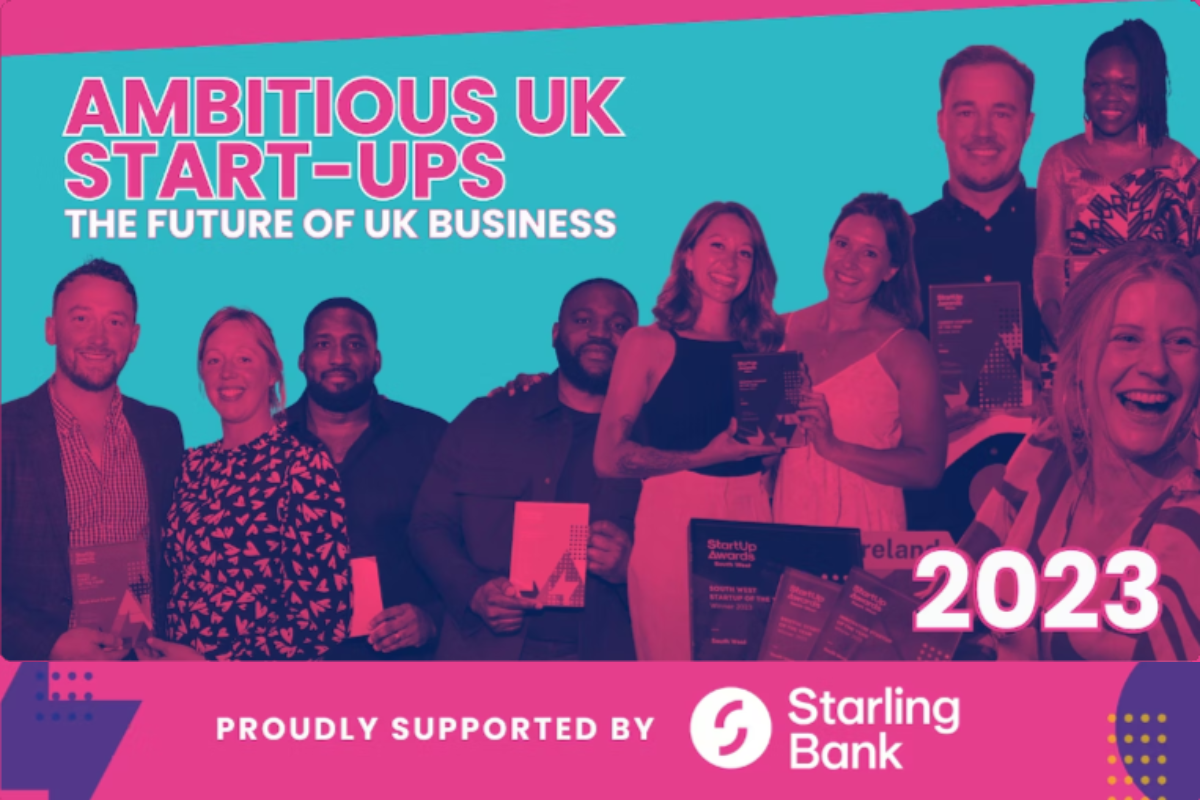
The Ambitious UK Start-Ups Report, sponsored by Starling Bank, is based on data from 1,219 applicants for 2023 UK Startup Awards, which recognizes the best new companies in the UK. It shows that 39% of founders had parents who were entrepreneurs, demonstrating a profound generational influence and the importance of role model effects in promoting entrepreneurial behavior. It also suggests that growing up in an environment characterized by entrepreneurial values can shape human aspirations, decision-making patterns and risk-taking behavior.
In terms of age, the study found no generational differences in entrepreneurial activity between those aged 16 to 34 and those aged over 35, although entrepreneurship has become increasingly common in recent years. Among primary founders, 42% of female entrepreneurs had entrepreneurial parents, compared to 36% of male entrepreneurs. Additionally, founders based in wealthier areas of the UK were more likely to have entrepreneurial parents than founders with businesses elsewhere.
Superstar founder
While parents are important influences for those who choose an entrepreneurial career, the examples of others can also stimulate interest in starting a new business, especially if those role models have been successful as entrepreneurs and have set an example for others to follow . When the founders of the UK StartUp Awards were asked which entrepreneurs they most admired, it was no surprise that the list included established entrepreneurial icons such as Richard Branson, Elon Musk, Steve Jobs and Bill Gates. Entrepreneurial role models are crucial because they inspire and motivate aspiring entrepreneurs. They impart valuable lessons from their experiences, build self-confidence, and provide networking opportunities and support. Role models can also validate ideas, promote diversity and inclusion, and create a long-term impact by inspiring future generations of entrepreneurs.
Steven Bartlett, one of the co-founders of Social Chain, which he left in 2020, is number one on our list of role model entrepreneurs, having only risen to prominence in recent years. He has since built a strong personal brand on the back of his entrepreneurial success, appearing as one of the investors on Dragons’ Den and hosting The Diary of a CEO, the UK’s most downloaded podcast across all audio platforms. Steven has also become an accomplished investor in the health and wellness space, with notable investments including Huel, a fast-growing UK e‑commerce company, and Zoe, a personalized nutrition program.
Programs aimed at supporting, developing and encouraging greater entrepreneurship often spotlight famous “rock star” entrepreneurs to inspire and motivate others to start new businesses. However, other role models are also “local heroes” from the entrepreneur’s environment, and such individuals can be particularly important in promoting entrepreneurial behavior in regions with low start-up rates, especially if they have connections to the region.
Research has shown that role models can significantly influence entrepreneurs’ career choices, with a significant proportion of entrepreneurs saying they would not have started or continued their business without a role model. There is also evidence that entrepreneurs and their role models are similar in terms of gender, industry and nationality. This similarity is particularly important for women to find the right role models to support them in their entrepreneurial ventures.
Although entrepreneur “rock stars” serve as role models, the survey reveals another intriguing finding: When identifying their entrepreneurial heroes, more respondents rated family members who were entrepreneurs more highly than established founders like Richard Branson and Elon Musk. This highlights the importance of family influences and illustrates the profound influence of a nurturing environment in complementing inherent characteristics to shape entrepreneurial success. It’s also worth noting that “other entrepreneurs” ranks fourth in this group of startups, suggesting that founders increasingly believe that entrepreneurs, whoever they may be, support and encourage each other.
There is a lack of female role models
Of the 351 entrepreneurs specifically named as role models by startup founders, 38% are women. Still, it’s disappointing that the list of top ten entrepreneurial role models only includes two women, Karren Brady and Sara Blakely. The latter is a successful US-based entrepreneur responsible for the women’s lifestyle brand Spanx, and the former is a British business executive and television personality who appeared on the BBC TV show The Apprentice. Nonetheless, her commitment to supporting women in business clearly made her a role model among female founders in our survey.
Despite their remarkable contributions to the economy, these and other female entrepreneurs could and should serve as shining examples for other women considering starting their own businesses. Against this backdrop, more concerted action is needed to provide women with a fairer path to entrepreneurship. Through increased mentoring, policy reform and the promotion of gender-responsive entrepreneurship programs, there are real opportunities to learn from these entrepreneurial heroes, support aspiring women entrepreneurs and create a vibrant and more diverse future by supporting new businesses.
This research reveals the stories of start-up founders from across the UK and across all sectors of the economy.
Explore the data collected directly from the UK StartUp Awards to get exclusive insights into these ambitious start-up founders, their companies, the ecosystems they operate in and their needs for the future.
This report was published in collaboration with Starling Bank. Click the button below to view the full report.

