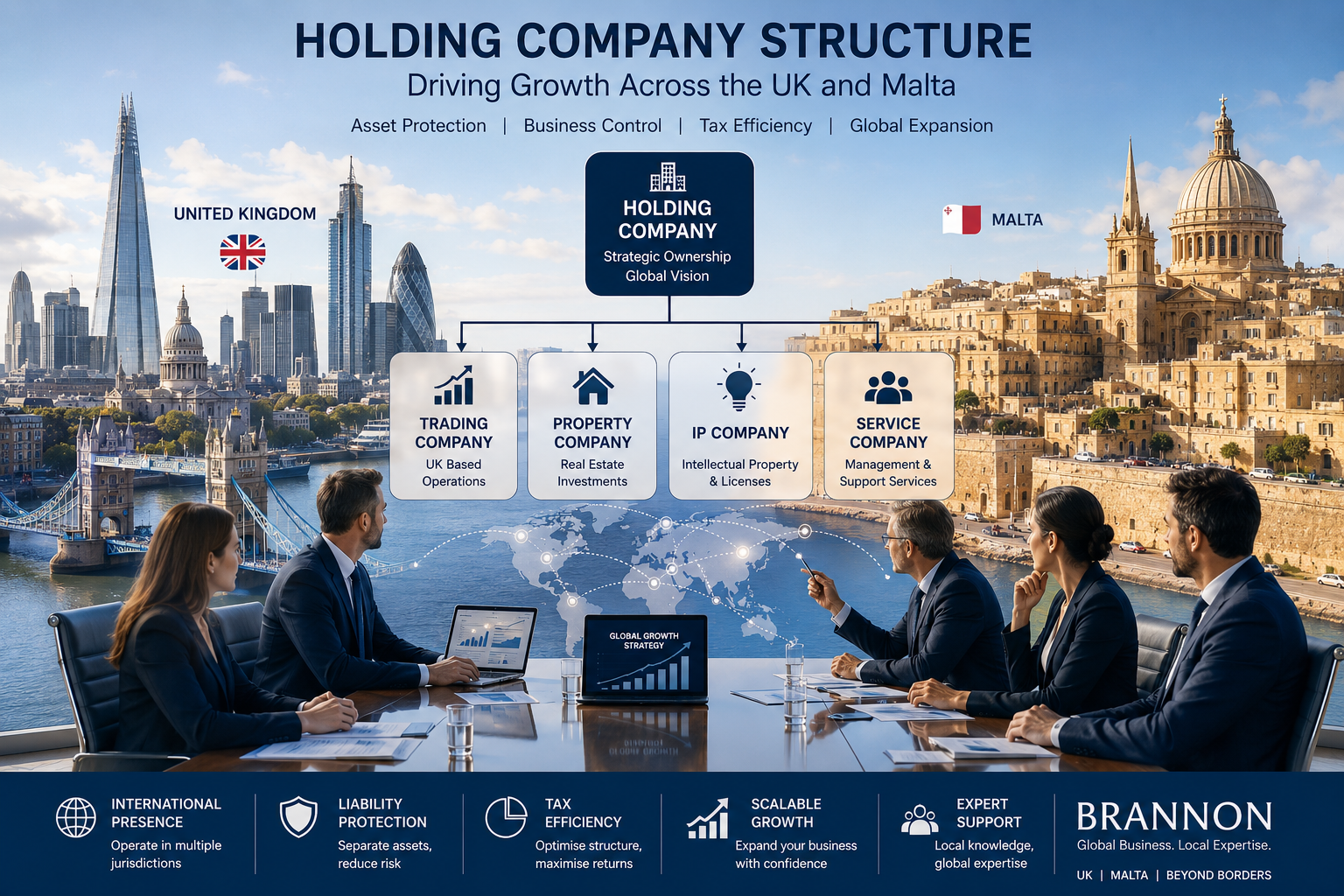
You may be surprised to learn about the numerous tax benefits that come with setting up an offshore company. In this article, we will probe into how establishing an offshore company can help you minimize your tax burdens legally and ethically. By taking advantage of tax incentives and policies in offshore jurisdictions, you can effectively optimize your financial strategy and protect your assets. Let’s explore how incorporating an offshore company can provide you with significant advantages when it comes to taxation.
Benefits of Offshore Companies
Reduced Tax Liability
Liability when it comes to taxes can often be a major concern for businesses. Setting up an offshore company can offer you the benefit of reduced tax liability. By operating in a jurisdiction with favorable tax laws, you may be able to lower your overall tax burden. This can result in significant cost savings for your business.
Increased Financial Privacy
An increased level of financial privacy is another advantage of establishing an offshore company. Offshore jurisdictions often have strict privacy laws in place, which can help protect your financial information and assets from prying eyes. This can be particularly beneficial if you operate in a competitive industry or if you have concerns about the security of your financial data.
For instance, in some offshore locations, company ownership information is not publicly disclosed, providing an additional layer of confidentiality for you and your business. This can help prevent competitors and other third parties from accessing sensitive information about your company’s operations and finances.
Types of Offshore Companies
Little do you know that there are various types of offshore companies you can set up to benefit from tax advantages and asset protection. Here are some common types of offshore companies:
| International Business Companies (IBCs) | Limited Liability Companies (LLCs) |
| Offshore Trusts |
International Business Companies (IBCs)
Any individual or corporation looking to engage in international trade or investment can benefit from setting up an International Business Company (IBC). These companies are commonly used for offshore banking, asset protection, and tax planning purposes. They are easy to set up, have minimal reporting requirements, and offer flexibility in conducting business globally.
The key advantage of IBCs is the ability to legally minimize taxes by taking advantage of low or zero tax jurisdictions. The profits generated by an IBC can often be exempt from local taxes, making them a popular choice for those seeking to optimize their tax liabilities.
Limited Liability Companies (LLCs)
One popular offshore company structure is the Limited Liability Company (LLC), which combines the liability protection of a corporation with the tax benefits of a partnership. LLCs offer flexibility in management and distribution of profits, making them an attractive option for those seeking asset protection and tax efficiency.
LLCs can be used for various purposes, including holding assets, owning real estate, or conducting international business. They provide a high level of privacy and can be structured in a way that suits your specific needs and goals.
Offshore Trusts
Offshore trusts are another common type of offshore company used for asset protection, estate planning, and succession purposes. A trust involves transferring assets to a trustee who manages them on behalf of the beneficiaries. By setting up an offshore trust, you can protect your assets from legal disputes, creditors, and inheritance taxes.
An offshore trust can offer additional benefits such as privacy, flexibility, and the ability to bypass probate processes. It is important to work with legal and financial professionals to set up and manage an offshore trust to ensure compliance with local laws and regulations.
Tax Advantages of Offshore Companies
Zero Tax Jurisdictions
For your offshore company, setting up in a zero tax jurisdiction can offer significant benefits. An offshore company established in these locations is not subject to corporate taxes, withholding taxes, or capital gains taxes. This means that all the profits generated by your offshore company can be retained without being taxed, providing you with a unique advantage to grow your wealth.
Low Tax Jurisdictions
With low tax jurisdictions, like the Cayman Islands or Bermuda, your offshore company can benefit from favorable tax rates. These locations offer corporate tax rates that are substantially lower than those in high-tax countries. By establishing your offshore company in a low tax jurisdiction, you can legally minimize your tax obligations and keep more of your hard-earned money.
This tax advantage allows you to reinvest more of your profits back into your business, expand your operations, or diversify your investment portfolio. By taking advantage of the tax incentives offered by low tax jurisdictions, you can strategically plan your finances to maximize your wealth accumulation.
Tax Exemptions
This option provides a way for your offshore company to benefit from specific tax exemptions on various forms of income, such as dividends, interests, or royalties. On top of the reduced tax rates, these exemptions can further optimize your tax planning strategy, allowing you to protect your assets and grow your wealth more efficiently.
To fully utilize the potential tax benefits of setting up an offshore company, it is necessary to consult with tax experts or financial advisors specializing in international tax laws. They can provide you with tailored advice on structuring your offshore company to take full advantage of the tax incentives available in different jurisdictions while ensuring compliance with all legal requirements.
How Offshore Companies Can Reduce Tax Liability
Reducing Corporate Tax Rates
Not all jurisdictions tax corporate income at the same rate. With an offshore company, you can take advantage of lower corporate tax rates offered in the country where your company is registered. By setting up your company in a tax-friendly jurisdiction, you can reduce the amount of corporate taxes you are obligated to pay, ultimately increasing your profits.
Minimizing Capital Gains Tax
Minimizing capital gains tax is another way offshore companies can help you reduce your overall tax liability. Capital gains tax is the tax imposed on the profit from the sale of assets such as stocks, bonds, or property. By holding assets through an offshore company, you may be able to defer or minimize the capital gains tax you would have to pay if you held these assets personally.
Corporate structures and tax laws in some offshore jurisdictions offer benefits such as tax exemptions or reduced tax rates on capital gains, allowing you to keep more of your investment returns.
Avoiding Double Taxation
Rates of double taxation can eat into your profits if you have business operations in multiple countries. By establishing an offshore company in a jurisdiction with favorable tax treaties or agreements in place, you can effectively avoid being taxed twice on the same income. This can help streamline your tax obligations and prevent unnecessary financial burdens.
Companies that operate across borders can benefit significantly from offshore structures that help eliminate or minimize double taxation, ensuring that you are not paying more taxes than required by law.
Legal and Compliance Considerations
Registering an Offshore Company
Keep in mind that registering an offshore company involves adhering to the laws and regulations of the jurisdiction where you choose to incorporate. Any missteps in the registration process can lead to legal complications and potential penalties. It’s important to work with experienced professionals familiar with offshore company formation to ensure compliance with all requirements.
Maintaining Compliance
An important aspect of setting up an offshore company is maintaining compliance with the local laws and regulations of the jurisdiction. Failure to do so can result in severe consequences, such as fines, legal action, or even the dissolution of your company. It’s crucial to stay informed about any changes in legislation that may affect your offshore entity and to promptly address any compliance issues that may arise.
Additionally, keeping accurate and up-to-date records is crucial for demonstrating compliance with the laws of the offshore jurisdiction. An offshore company is subject to various reporting requirements, and failure to meet these obligations can have serious repercussions. By maintaining detailed records and working closely with legal and financial experts, you can navigate the complex landscape of offshore compliance effectively.
Disclosure Requirements
One of the key legal considerations when setting up an offshore company is understanding the disclosure requirements in the jurisdiction of incorporation. Different jurisdictions have varying levels of transparency regarding company ownership, financial information, and other key details. It’s important to comply with these disclosure requirements to operate your offshore company legally and avoid potential penalties.
Offshore companies are often subject to strict disclosure requirements to prevent money laundering, tax evasion, and other illicit activities. By ensuring full compliance with these regulations, you can maintain the legitimacy and reputation of your offshore company. Working closely with legal advisors can help you navigate the disclosure requirements of your chosen jurisdiction and establish a solid foundation for your offshore business.
Common Misconceptions About Offshore Companies
Many misconceptions exist about offshore companies that may deter you from considering this option. Let’s debunk some of the most common myths associated with setting up an offshore company.
Myth: Offshore Companies are Illegal
About this misconception, it is necessary to clarify that offshore companies are not inherently illegal. While there have been cases of individuals using offshore entities for illegal activities like tax evasion, the majority of offshore companies are established for legitimate purposes such as asset protection, international trade, and tax optimization. It is crucial to adhere to the laws and regulations of your home country as well as the jurisdiction where you set up your offshore company to ensure legality and compliance.
Myth: Offshore Companies are Only for the Wealthy
Misconceptions often lead people to believe that offshore companies are reserved for the wealthy elite. However, this is not entirely true. While some high-net-worth individuals use offshore structures for wealth management, small and medium-sized businesses can also benefit from setting up an offshore company. It can provide advantages such as tax savings, asset protection, and access to international markets, making it a viable option for a wide range of businesses.
Myth: Offshore Companies are Difficult to Set Up
Offshore companies are often perceived as complex and challenging to establish. In reality, with the right guidance and proper understanding of the process, setting up an offshore company can be straightforward. Many jurisdictions offer streamlined procedures for company formation, and there are service providers that specialize in assisting with the incorporation of offshore entities. By seeking professional advice and following the legal requirements, you can set up an offshore company efficiently and effectively.
A clear understanding of these misconceptions can help you make a well-informed decision about whether setting up an offshore company is the right choice for your business. Remember to conduct thorough research, seek expert guidance, and comply with all legal obligations to maximize the benefits of an offshore company while mitigating any potential risks.
Summing up
With these considerations in mind, setting up an offshore company can provide you with various tax benefits. By taking advantage of jurisdictions with low or zero corporate taxes, you can minimize your tax burden and potentially increase your profits. Additionally, offshore companies offer privacy and asset protection, making them a valuable tool for international business activities.