

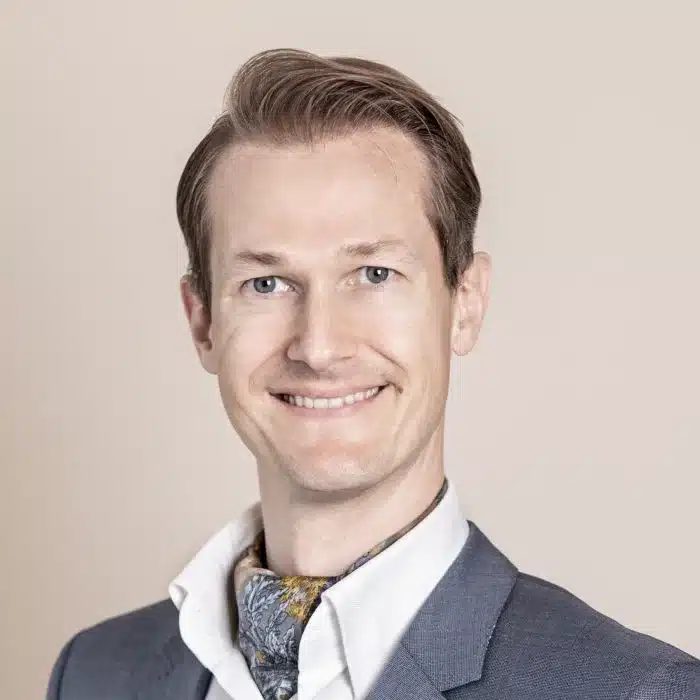
When is the line between mental health problems and addiction and what different factors play a role?
I’m not sure what the exact dictionary definition is, but I would say that something becomes a problem when it starts to negatively impact someone’s life. This varies greatly from person to person and often the problem is recognized by family members before the individual acknowledges it themselves. For parents, this discrepancy can be challenging. Ultimately everything is on a spectrum. Most of us strive to live happy, fulfilling lives with minimal pain, although pain is an inherent part of life, be it mental, physical or emotional. As humans, we strive for happiness and try to avoid pain, which is consistent with the Dalai Lama’s suggestions. Life inevitably presents challenges, and our ability to deal with them varies due to factors such as genetics, upbringing, and childhood experiences. For many, certain situations can be so overwhelming that they struggle to cope with life’s challenges in a healthy and sustainable way. There are generally two options: seeking therapy directly or coping in other ways. Most people don’t decide to seek therapy right away; Instead, they rely on friends, family, or coping mechanisms such as alcohol, drugs, medication, or compulsive behavior to self-medicate their pain. Over time, these methods are often no longer sufficient and many require professional help.
Have addiction rates and the number of addicts changed over time? It appears that modern factors such as social media and cell phones increase the risk of addiction and stress. In comparison, life in 1925 seemed simpler and more relaxed, with fewer distractions and a slower pace of life.
I imagine the past as a simpler time. I’m not a historian, but over the millennia and even the last few centuries, life has changed drastically due to technological advances. Before this exponential growth, daily life revolved around basic survival: feeding the family and avoiding death from war or disease. People lived more in the moment, not necessarily happier or less anxious, but with less worry about others’ opinions, intentions, or loneliness. These concerns, central to modern psychological suffering, occurred alongside the luxuries of leisure and material abundance that we have today.
As an experienced entrepreneur who has experienced both successes and failures, where do you draw the line between promoting resilience and recognizing a real mental health issue? How do you distinguish between the need to “get it together and move on” and the need to acknowledge when someone has a real problem?
I really like your gym analogy. Just as stressing muscles helps them grow stronger, life’s challenges can build resilience. However, too much stress, such as excessive exercise in the gym, can lead to injury. For example, I was on crutches for two months after tearing my calf muscle while doing martial arts. The same applies to mental health. While facing challenges can help us, excessive stress can overwhelm us.
Each person’s ability to cope with stress is different. At some point it can become too much, and that threshold is different for everyone. There is also the concept of post-traumatic growth, where people emerge stronger from severe trauma. However, despite the pain, it is difficult to see an uptrend. I personally have experienced anxiety attacks where even simple tasks became overwhelming, despite having a good understanding of mental health. This first-hand experience helps you empathize with the people who suffer on a daily basis.
When you say it becomes a problem when it is a problem, isn’t that subjective? One person’s occasional drinking could be another person’s alcoholism. How do you as a doctor or clinic deal with this? Tell me what happens on the first day in the clinic. How does the process work?
Regarding the first part of your question, I strongly advocate for a more pragmatic approach to mental health and addiction. It’s different for everyone. What might be casual drinking for one person might be alcoholism for another. We have to be practical in everything. For example, while occasional cocaine use may not cause problems for one person, it could lead to a downward spiral for another. As Paracelsus, the medieval Swiss physician and alchemist, said: “The dose makes the poison.”
People typically realize they need help when they can no longer cope with their lives, whether due to overwhelming anxiety, an inability to get out of bed, or feedback from loved ones. Then they usually turn to a therapist or clinic.
When a customer comes to us, we first understand why they are seeking help and what their goals are. Unlike the typical one-size-fits-all approach in many mental health or addiction clinics, which often focuses on total abstinence and rigid schedules, we establish individual goals with each client. This tailored approach is more realistic and effective for long-term solutions.
Can you talk to me specifically about stress from a business perspective?
I think there are two approaches to consider here. First, it’s about making external changes in your life — adjusting your lifestyle, your commitments and your priorities to reduce overall stress and demands on your energy and time.
Second, there is the approach of redefining the way we perceive stress and acquiring tools to deal with it when we feel overwhelmed or on the verge of burnout. These two approaches often complement each other. For example, someone suffering from burnout might seek help at a clinic to recover and learn coping skills. While their external responsibilities remain unchanged, they return with improved resilience and a clearer mindset to assess what changes are needed to prevent a recurrence.
When you’re at your breaking point, it’s difficult to make decisions or initiate change because everything feels overwhelming and paralyzing. In such moments, the focus should be on recharging your batteries, building resilience and acquiring practical tools. Healthy habits such as a balanced diet and regular exercise, which are essential for mental well-being, often fall by the wayside in times of acute stress. Reprioritizing these habits can help break the stress cycle and improve overall mental hygiene.
Is exercise an essential part of recovery and treatment in your practice?
Surely. Exercise plays a crucial role not only in treatment and recovery, but also in prevention. When we are physically fit, we become more neurologically, physiologically and emotionally resilient. Regular exercise triggers the release of dopamine and endorphins, which naturally counteract some of the challenges, pain and stressors we face.
Is there a general guideline you recommend for everyone, such as 10,000 steps per day or one hour of exercise per day?
For some people, two flights of stairs could be the equivalent of someone else’s half marathon. Of course, over-exercising can become compulsive, but in general, squeezing in an extra minute here and there, or a flight of stairs, or an extra half hour of activity is beneficial, and there’s nothing wrong with that.
In the area of prevention, especially when targeting entrepreneurs, CEOs and similar professionals, what other proactive measures can be taken to ward off mental health issues such as stress and anxiety, in addition to focusing on clean or healthier diets and regular exercise?
I believe that a crucial aspect of prevention is practicing self-awareness – paying attention to your own stress levels. It is important to take moments of introspection daily or weekly, perhaps in a face-to-face meeting with yourself or a time for reflection. Personally, I learned this lesson the hard way after my own accident. I used to pride myself on having nerves of steel and navigating the ups and downs of entrepreneurship and personal life without second-guessing myself.
Through this self-reflection, I began to ask myself difficult questions: What are my current energy levels? Am I in the green, orange or red zone? Is it dangerously low? These are unpleasant but necessary requests. By regularly assessing my mental and emotional state, I have learned to take proactive measures early rather than waiting until I am overwhelmed.
For example, if I identify chronic stress indicators early, such as declining sleep quality, I can intervene before things escalate. It’s easy to fall into the trap of using quick fixes like Xanax or Valium to get sleep under control. But if I’m honest with myself about patterns—like increasing dosage or frequency—I can recognize when I need to adjust my approach.
Do you notice regional and cultural differences in mental health? I mean, given your background in Switzerland and your work in Dubai, do you observe differences in the types of mental health issues that people face in different countries? And do you find that people’s reactions and treatments to these problems vary as well?
So yes and no. What connects us is our common humanity and our similar physiological makeup. The way neurotransmitters work and the effects of certain lifestyle factors on psychological well-being are generally the same across cultures. However, the cultural context – both regional and social – plays an important role.
For example, the gap between someone who is very wealthy and someone from a middle class or less affluent background can lead to differences similar to those between different cultural regions. This is because we perceive and interpret life through filters shaped by our upbringing, education, social environment and cultural norms.
In many parts of the world, mental health has historically been misunderstood or stigmatized, often associated with terms such as “crazy” or “crazy.” It has taken some time for scientific evidence to emerge and mental health to be recognized as a complex and nuanced issue.
Different regions may have different attitudes toward emotional vulnerability and help-seeking. In some places it may be seen as a sign of weakness, while in others there is an openness about mental health issues. These cultural attitudes influence the way mental health issues are approached and treated.
Ultimately, what matters most is a pragmatic, non-judgmental approach. When someone is in pain or suffering emotionally, the focus should be on finding effective ways to relieve that pain while respecting the individual’s willingness and cultural context.
What makes your clinic stand out for those who agree and are thinking about treatment, whether on their own or under the guidance of a doctor? What are its unique selling points, such as exclusivity, confidentiality and more?
We have developed a comprehensive 360-degree approach to mental health. As more doctors and clinics recognize this, mental health is not just about isolated medical treatment. It’s about understanding how our bodies work and our neurochemistry and addressing issues such as chronic inflammation and pain that impact psychological well-being. Our clinic offers the best mental health treatment available, coupled with complete confidentiality, luxury and comfort. Customers who are used to a high standard of living and discretion find this environment supportive. Additionally, our cultural competency is critical, especially for wealthy and famous individuals who face unique challenges. Our therapists and physicians have the specific expertise needed to effectively serve this population. With a multidisciplinary team of 15 to 20 top experts dedicated to your health, our clinic provides an unparalleled level of care and support.

