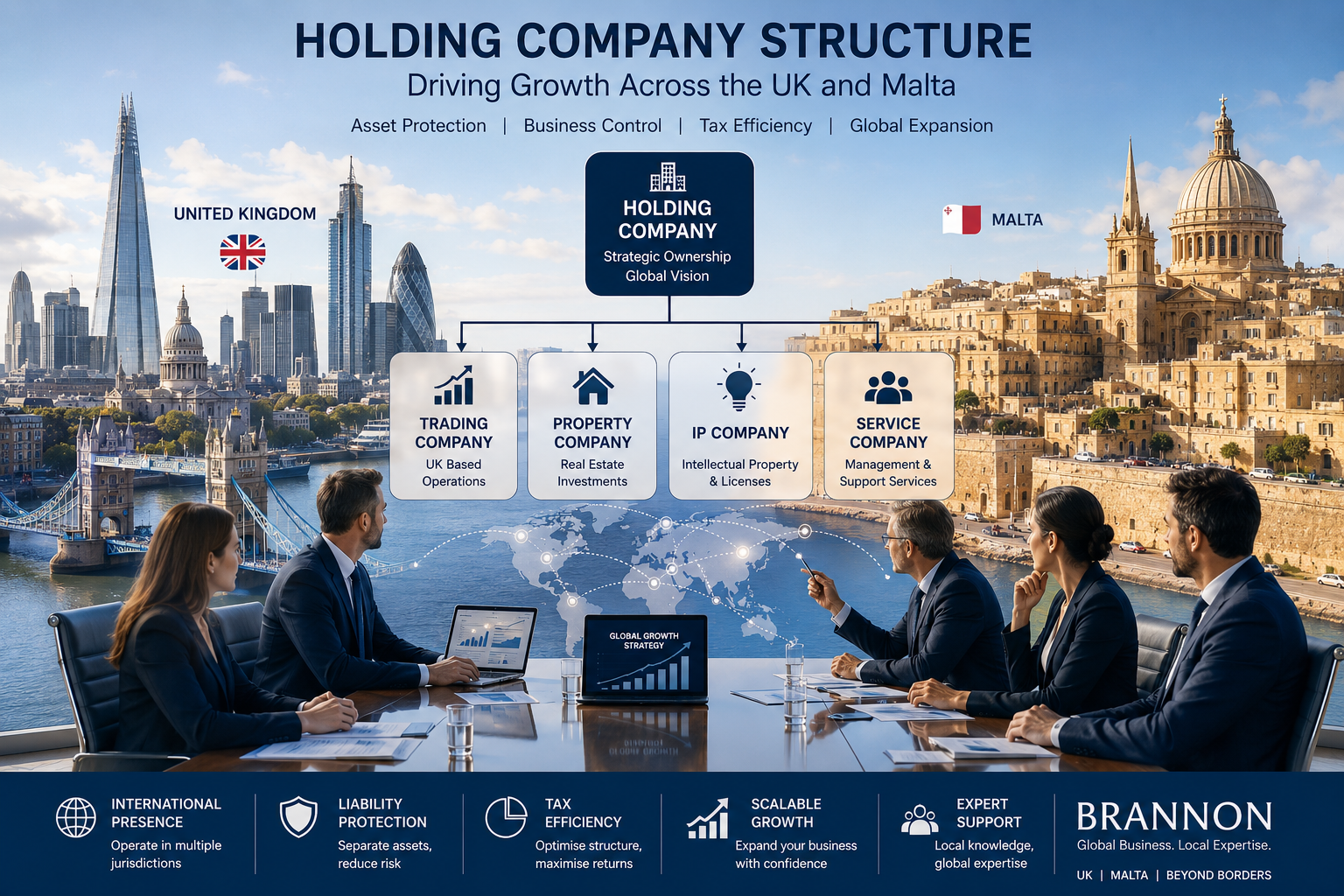
International founders in Malta often arrive with optimism but soon discover Malta’s limited market size, high operational and housing costs, stringent regulatory compliance and banking friction that erode runway and growth plans; compounded by talent scarcity, reliance on niche industries, and bureaucratic hurdles, these factors can prompt founders to relocate to larger ecosystems offering deeper talent pools, clearer regulatory pathways and better access to capital despite Malta’s attractive incentives.
Key takeaways for international founders in Malta

- Regulatory and banking friction — shifting rules, slow licensing and conservative banks (especially for crypto/fintech) create operational roadblocks and force founders to seek friendlier jurisdictions.
- Talent and market limitations — a small local talent pool, recruitment challenges and a limited domestic market make scaling and hiring costly or impractical.
- Hidden costs and bureaucracy — unexpected compliance, tax/accounting complexity, residency/visa hurdles and less-generous incentives than advertised strain cash flow and founder patience.
Why international founders in Malta choose the island
Malta can still suit founders whose business has genuine local substance. Before committing, compare the jurisdiction with our practical guides to UK company formation, Ireland company formation and Wyoming company formation.
Strategic Location in the Mediterranean
About 93 km south of Sicily, Malta sits at the crossroads between Europe, North Africa and the Middle East, offering direct ferry and air links to major hubs and year‑round access to EU markets of over 440 million consumers. Startups in logistics, maritime tech and iGaming use Malta as a staging post: Malta’s ports and services plus a time zone (CET) that overlaps both London and many MENA markets make regional coordination straightforward.
Attractive Tax Incentives
Malta’s headline 35% corporate tax is offset by a refundable tax-credit system that, for qualifying trading companies, often yields effective tax rates near 5% for international shareholders. Specific schemes — like the Highly Qualified Persons rules and participation-relief mechanisms — further lower costs for employable talent and holding structures.
Practically, the model works by taxing company profits at 35% and then allowing shareholders to claim refunds (commonly up to 6/7) on the tax paid, producing the low effective rates advisers cite. Complementary benefits include participation exemptions for certain holdings, an extensive double‑tax treaty network, and no routine withholding on many outbound dividends. Founders should factor in post‑2019 economic substance rules and compliance overheads: a local director, office and demonstrable activity are often required to retain preferential treatment.
English Proficiency and Cultural Fit
English is an official language used across government, courts, higher education and business, so contracts, banking and investor discussions run in English without translation. Malta’s bilingual workforce and a history of British legal influence make onboarding international teams and courting UK/EU investors easier than in many non‑EU Mediterranean states.
University of Malta programs and private colleges teach in English, producing graduates comfortable with technical and commercial English; professional services-law firms, accountants and corporate service providers-operate natively in English and often follow UK-style practices. That alignment reduces legal and transaction friction, but the island’s small population (~520,000) means competition for senior local talent can push up salaries or force remote hiring for niche roles.
Initial Challenges Faced by International Founders
Bureaucratic Hurdles and Regulatory Framework
Company incorporation itself can be completed in days, but sector licensing-notably finance, iGaming and VFA-related crypto activities-routinely takes 6–18 months and demands detailed AML/KYC regimes, local directors or representatives, and supervisory fees. Non-EU work permits and residency procedures frequently add 3–9 months to hiring timelines, forcing founders to budget legal fees and extended runway up front.
Market Size and Economic Limitations
With a population of roughly 520,000 and an economy dominated by tourism, iGaming and financial services, the domestic market rarely delivers the scale B2C or enterprise SaaS businesses need; most startups must target EU or UK customers within 12–18 months to reach meaningful ARR, increasing sales and regulatory complexity.
Malta’s seasonal tourism (over 2 million visitors pre-pandemic) skews demand toward hospitality and consumer-facing niches, leaving fewer anchor customers for diversified tech startups. VAT at the standard 18% affects pricing for local consumers, and the pool of large local enterprises is limited, so channel and distribution strategies must be pan-European from early on. Several founders opt to keep an R&D center in Malta for tax and compliance reasons but open sales offices in larger markets-Germany, UK or Italy-within the first year to close enterprise deals and justify higher burn.
Difficulty in Talent Acquisition
The island’s small population constrains the senior engineering and product talent pool, and competition from well-funded iGaming and financial firms raises hiring costs; recruitment cycles commonly span 8–12 weeks, while securing work permits for non-EU specialists can extend onboarding by months, pushing founders toward remote hires or relocation packages.
Local universities produce strong junior talent, but founders frequently report shortages of experienced cloud, security and ML specialists, forcing hires from abroad or reliance on nearshore talent in Portugal and Spain. Housing shortages and rising rents in Valletta and Sliema increase relocation and compensation expectations, so total hiring costs often include 2–3 months of salary overlap, relocation allowances and immigration legal support. As a result, many teams adopt hybrid strategies: hire locally for roles like customer support and QA, recruit senior product/engineering remotely, and plan for staggered on-site integration to manage cashflow and cultural alignment.
The First-Year Experience
Financial Realities: Costs vs. Returns
Founders often face immediate cash pressure: coworking runs €150–300/month, small offices €800–2,500/month in prime Valletta/Sliema locations, and initial incorporation plus compliance often costs €2,000–6,000 annually. One SaaS founder reported €75,000 total first-year payroll burden after taxes and benefits on a €60,000 gross salary, while audit and accounting added €3,000–6,000. That combination pushes burn rates up, making the Maltese benefits-tax refunds, EU access-only attractive once ARR exceeds early thresholds.
Navigating Corporate Structures
Choosing between a Maltese Ltd, a branch, or a holding vehicle shapes tax and compliance: the 35% statutory rate sits behind refund mechanisms used by many holding structures, while EU passporting favors onshore setups for fintech and gaming. Several founders pivoted from an LTD to a holding company within year one after discovering their investor returns and DTT benefits were better aligned with Malta’s system.
Practical steps include holding regular board meetings in Malta, hiring a local company secretary, and documenting decision-making to satisfy substance expectations; one fintech startup began with one Malta-based operations manager and monthly board minutes, which auditors and tax advisors cited as sufficient in early reviews. Annual audited accounts and corporate tax filings remain standard, so budgeting €3k-6k for professional services is common.
Building a Local Brand Presence
With a national population around 520,000 and over 2 million annual visitors pre-pandemic, local demand is limited but tourism-driven channels offer scale. Founders who invested in partnerships-hotel chains for travel tech or iGaming affiliates for betting platforms-closed early pilots faster; one travel-tech founder signed three hotel partners within six months, generating €30k ARR and testimonials that opened EU sales conversations.
Effective tactics include targeted PR in Times of Malta and MaltaToday, sponsoring tourism-season events, and leveraging Malta Enterprise for introductions; combining a small retail footprint with digital campaigns aimed at both residents and tourists creates measurable uplift, often reducing customer acquisition cost by 20–40% versus EU-only launches.
Community and Networking Opportunities
Availability of Support Systems
With a population of around 520,000, Malta offers tightly knit networks: Malta Enterprise, university tech-transfer offices and startup initiatives provide grants, mentorship and introductions, but local pools of senior engineers and sector-specialist operators remain limited, so founders often depend on remote hires or short-term contractor networks to scale beyond proof-of-concept.
Role of Business Incubators and Accelerators
Public and private incubators — including University of Malta programmes and Malta Enterprise-backed schemes — supply desk space, mentor hours and regulatory navigation; cohort sizes are typically small (often 8–12 startups), which helps depth but restricts throughput and can leave later-stage companies underserved.
In practice, incubators excel at early validation and opening regulator channels for iGaming and fintech, plus micro-grants and introductions to angel networks. However, most local accelerators focus on prototype to seed: founders report demo-day interest but limited follow-on Series A capital locally, necessitating investor roadshows in London, Berlin or Barcelona; support therefore best serves pre-seed and seed trajectories rather than rapid scale-up.
Importance of Industry Events and Conferences
Major gatherings like SiGMA (which attracts thousands annually) and sector meetups concentrate operators, affiliates and regulators into short windows, generating leads and partnerships quickly, but many founders find attendee quality uneven and follow-up necessary to turn contacts into hires or investors.
Events deliver intense exposure-useful for sales pipelines and regulatory updates-but they skew heavily toward gaming, fintech and blockchain verticals, so founders outside those niches must target niche meetups or international conferences. Successful founders combine event attendance with structured follow-ups: targeted meetings, curated investor lists and 1:1 mentoring sessions to convert initial interest into measurable hires or funding within 3–6 months.
The Effects of Local Business Culture
Understanding Local Consumer Behavior
Malta’s resident population (~520,000) plus seasonal tourism (often several times the local population) skews demand toward short-term, experience-led purchases; mobile and social channels dominate discovery, with WhatsApp and Facebook groups commonly driving referrals. Pricing sensitivity increases off-season, while high tourist months can double daily transactions for hospitality and retail, forcing founders to plan inventory and staffing for 3–4x variance rather than steady monthly growth.
Interactions with Local Businesses
Local suppliers and distributors frequently favor established Maltese partners and expect face-to-face relationship building; standard payment terms typically sit between 30–60 days and many vendors require local invoicing, VAT registration (standard rate 18%) and a Maltese bank account before starting credit facilities. New founders often underestimate minimum order quantities-examples include wholesalers insisting on 500–1,000 unit initial buys for shelf placement.
SMEs make up roughly 99.8% of Maltese businesses, so many partners are family-run with conservative contracting practices and informal decision cycles. Networking via the Chamber of Commerce or sector associations often unlocks opportunities that cold outreach cannot; in practice, a founder who attends 4–6 local events over three months will secure partnerships faster than one relying solely on email.
Language Barriers and Miscommunications
Although English is an official business language, Maltese is widely used in administration and informal dealings, producing occasional misunderstandings in contracts, permits and consumer messaging. Translating a regulatory notice or a tenancy clause can add days to compliance processes, and marketing copy that isn’t localized to Maltese idiomatically often underperforms with local audiences.
Practical fixes include commissioning a Maltese legal translator for filings and using local copywriters for ads; founders report that adding a Maltese-language review step to onboarding and compliance workflows typically reduces approval delays by 2–4 weeks and cuts back-and-forth with authorities by half. Customer support handled bilingually improves NPS among local users and lowers complaint resolution time.
Legal and Regulatory Considerations
Official requirements should be checked directly with the Malta Business Registry, the Malta Financial Services Authority where regulated activity is involved, and Jobsplus for employment obligations.
Compliance with Local Laws
Company formation occurs at the Malta Business Registry and taxable activities must be VAT‑registered (standard rate 18%); regulated firms answer to the MFSA while AML duties sit with the FIAU. Annual returns and audited accounts apply once thresholds are met, and Malta’s imputation/refund tax mechanism often results in an effective corporate tax around 5% on distributed profits when refunds are claimed.
Changing Regulations and Their Impact
Recent tightening on transparency and AML has lengthened licensing timelines-MFSA applications commonly take 6–12 months-and EU measures like MiCA are harmonising crypto rules, eroding some competitive advantages that attracted founders. Several fintech and crypto teams postponed product launches or moved parts of their operations to other EU states after regulatory backlogs increased burn.
Mitigation strategies include budgeting 9–18 months for approvals, preserving 12–18 months of runway, and engaging local compliance counsel early; case studies show a fintech that allocated €200k for compliance still spent an extra €70k on advisory work to satisfy MFSA requirements, while pre‑submission meetings have accelerated outcomes for better‑prepared applicants.
Navigating Employment Laws
Hiring non‑EU nationals requires work or single permits-typically adding 6–12 weeks to onboarding-whereas EU citizens can start immediately. Employers must operate PAYE, register with Jobsplus, and make social security contributions; probation, notice periods and statutory employment protections apply, and misclassifying contractors can lead to fines and back‑pay exposure.
Practical steps include using Employer‑of‑Record or local payroll services during permit delays, issuing Maltese‑law compliant contracts (English accepted), and budgeting employer contributions; startups report EOR solutions costing €300-€800 per month per non‑resident hire but preventing costly retroactive liabilities after labour inspections.
Factors Leading to Founder Discontent
- Financial pressure and investor expectations
- Misalignment with local lifestyle and family needs
- Escalating costs of living and business operations
- Talent shortages and hiring bottlenecks
- Regulatory friction and compliance overhead
- Limited local market scale versus global ambitions
Financial Pressure and Investor Expectations
Investors typically expect 3–5x returns within a 3–5 year horizon, which forces many founders to chase rapid ARR growth and aggressive KPIs; seed-stage teams on the island report fundraising timelines compressed to 6–12 months, higher dilution during follow-on rounds, and an emphasis on measurable unit economics (CAC:LTV, monthly net new revenue) that can push premature scaling or layoffs.
Misalignment with Local Lifestyle
Malta’s compact size (population ~520,000) and island rhythm can clash with founders used to denser startup hubs-limited after-hours networking, fewer sector-specific meetups, and smaller pools of child-care or international schooling options make relocation feel isolating for some entrepreneurs and their families.
Partners often struggle to find equivalent careers, and founders frequently cite the social trade-off: strong personal quality-of-life benefits like Mediterranean climate and walkable commutes versus fewer professional peers in niche domains (deep tech, biotech). That gap lengthens when founders from cities like London or Berlin expect continuous late-stage talent pipelines and instead need to recruit internationally, adding relocation costs and cultural onboarding time.
Escalating Costs of Living and Business Operations
Housing in central hubs can cost €1,200-€1,800+ per month for a two-bedroom, coworking desks range from €150-€350 monthly, and import-dependent startups face shipping and customs surcharges that inflate COGS; combined with local inflation, these pressures erode runway faster than many founders forecast during year one.
Operationally, private office rents and regulatory service fees (company secretarial, compliance) push annual overheads up by tens of thousands of euros compared with a remote-first model; a small team of 6–8 often sees fixed monthly costs jump €6k-€12k once office, payroll taxes, and benefits are included, forcing rehiring or tighter burn management.
Knowing these combined pressures, many founders reassess Malta’s fit and opt to relocate, restructure, or exit after the first year.
Comparison to Other Startup Hubs
Comparison: Malta vs Other Startup Hubs
| Area | How Malta compares |
|---|---|
| Population & talent pool | Malta ~520,000 residents vs London ~9,000,000 and Berlin ~3,600,000; local senior engineering hires are limited, increasing reliance on remote teams or relocation. |
| Funding availability | Domestic VC presence is small; many founders report orders-of-magnitude fewer local funds than major hubs, so follow-on rounds commonly require cross-border investor outreach. |
| Tax & regulation | Statutory corporate tax 35% with shareholder refund mechanisms that can produce effective rates often cited in single digits for certain structures; regulatory clarity varies by sector (crypto, gaming saw early attraction then tightening). |
| Market access | EU membership provides market access, but Malta’s small domestic market forces early expansion; hubs like London and Berlin provide larger immediate customer bases and regional HQ ecosystems. |
| Costs | Lower office rents and average salaries than London or Berlin, improving runway; however, hiring senior talent often requires premium relocation or remote senior contracting. |
| Events & networks | Limited homegrown accelerator and corporate innovation programs; contrast events like Lisbon’s Web Summit (~70,000 attendees) or London’s frequent investor meetups that speed introductions. |
Advantages of Competing Locations
Hubs like London, Berlin and Lisbon offer denser networks of investors, accelerators and experienced operators; London’s ecosystem routinely connects startups to multinational pilots and later-stage capital, Berlin provides cost-efficient engineering talent pools, and Lisbon leverages large annual events to deliver fast market validation and hiring spikes.
Case Studies of Founders Who Relocated
High-frequency drivers for relocation include access to later-stage capital, faster hiring of senior product/engineering staff, and improved regulatory certainty for specific verticals; notable examples range from public crypto exits to small SaaS teams that scaled more rapidly after moving.
- Binance (crypto exchange): announced Malta operations in 2018, then dispersed teams across multiple jurisdictions by 2019–2020 after regulatory pressure, shifting compliance and hiring to broader markets.
- Anon SaaS startup A: raised €0.6M seed while in Malta, relocated to London at month 14, secured €4.2M Series A within 12 months post-relocation and grew headcount from 8 to 40.
- Anon Gaming studio B: started in Malta, faced talent bottlenecks for senior graphics engineers, moved core R&D to Berlin after 18 months and reduced time-to-hire for senior roles from ~5 months to ~6 weeks.
Patterns across these cases show regulatory shifts and hiring speed as decisive; founders who left typically report that fundraising velocity and senior hiring timelines improved materially after relocation, enabling larger commercial partnerships and faster product iterations.
- Anon Fintech C: initial Malta incorporation, €250k angel pre-seed, relocated to Lisbon for founder-network effects, closed a €1.8M seed in 10 months and launched pilots with two EU banks.
- Anon Marketplace D: stayed in Malta year one with 12 customers, moved HQ to London to access enterprise sales channels, ARR grew from €120k to €1.1M in 15 months post-move.
- Regulatory-driven exit (crypto): several small token/crypto projects left Malta between 2018–2020 after guidance became ambiguous; projects either decentralised operations or re-hosted in multiple jurisdictions to preserve liquidity and partnerships.
Long-Term Viability of Malta vs. Other Markets
Malta remains viable for niche plays-low operating costs, EU law, and English usage help-but scaling beyond early traction often requires tapping larger talent pools and deeper capital markets found in bigger hubs; longevity depends on sector, fundraising strategy and talent sourcing plan.
For startups targeting B2B enterprise deals or heavy engineering scale, long-term viability typically improves after relocating or hybridising operations: examples above show Series A sizes and ARR growth commonly 3–5x higher within 12–18 months after moving to larger ecosystems, while firms focused on lifestyle or regulatory-service niches can sustainably remain Malta-based.
Psychological Impact of Founding in Malta
Stress Levels and Mental Well-being
Founders frequently face intense pressure from a small domestic market that forces rapid customer acquisition and fundraising; industry surveys often cite burnout rates above 40% among startup leaders. High regulatory scrutiny in sectors like iGaming and crypto magnifies stress-one Malta-based fintech founder reported 80-hour weeks during licensing and pivot phases-while limited local specialist advisors elevate anxiety around compliance and growth decisions.
Isolation vs. Community Support
Malta’s 520,000 population means a thinner pool of local peers with matching sector experience, so many founders lean on online networks or sporadic meetups in Valletta and St Julian’s. Expats can feel culturally isolated when mentorship is sector-specific-blockchain and iGaming communities are active, but SaaS or deep-tech founders often struggle to find equivalent local expertise, prompting some to reconnect with overseas ecosystems.
Local institutions such as Malta Enterprise and a handful of private accelerators provide mentorship and grants, yet their sector focus skews toward gaming, blockchain, and tourism tech; as a result, founders outside those verticals report longer search times for relevant mentors and investors. Peer support groups exist, but frequency varies-weekly co-founder roundtables are common in Sliema, while niche meetups may only convene quarterly-so founders who need consistent, role-specific feedback often rely on remote advisory boards or leave for larger hubs.
Work-Life Balance Challenges
Small teams and founder-heavy roles push many to blur boundaries-working across product, sales, and HR-leading to erratic hours and lower sleep; several founders report under six hours a night during fundraising. Family logistics matter: limited childcare slots and the expectation to attend networking events after hours make sustained balance difficult, especially for founders who relocated without local family support.
Operational realities compound the strain: when a co-founder left after 14 months, they cited back-to-back investor meetings, client demos across time zones, and weekend regulatory filings as the tipping point. Companies that survived shifted to two practical fixes-hiring a fractional COO within months 6–9 to offload execution and enforcing no-meeting blocks for focused work-reducing founder on-call time by anecdotally 25–40% and improving retention among partners with families.
The Influence of External Factors
- Exchange-rate swings and global funding cycles shrink runway: venture capital activity dropped roughly 40% between 2021 and 2022, reducing late seed and Series A checks available to Malta-based startups.
- EU-level regulatory scrutiny and correspondent-bank de-risking increased compliance burdens and produced licensing slowdowns for fintech and iGaming firms.
- Tourism and business travel collapsed-arrivals fell by roughly 70% in 2020-removing on-island demand for many B2C and hospitality-adjacent ventures.
- Recognizing how these shocks stack with local operational limits helps explain why founders often relocate after year one.
Economic Shifts and Global Trends
Volatile capital markets and rising input costs bite quickly: after funding dipped ~40% from 2021–22, many Maltese startups saw burn rates rise as EUR/USD swings and higher energy and shipping costs increased hosting and supply expenses, pushing founders to pause hiring or re-domicile to lower-cost EU hubs like Portugal or Estonia.
Political Stability and Its Effects
Heightened scrutiny and governance concerns prompted banks and international partners to tighten onboarding; correspondent banks scaled back services and licensing timelines for regulated sectors often lengthened by months, incentivizing founders to seek jurisdictions with clearer supervisory roadmaps.
Following high-profile inquiries in 2019–2021, AML and regulatory checks intensified, producing concrete operational friction: multiple startups reported four- to eight-month waits for business banking or payment onboarding, while payment processors added extra KYC gates. That friction raised compliance costs, delayed product launches, and dampened investor appetite-one fintech estimated year-two growth slowed by ~30% because revenue flows were constrained. For many founders, relocating to Lithuania, Ireland or the Isle of Man restored banking access and predictable licensing timelines, enabling faster hiring and partnership formation.
Effects of the COVID-19 Pandemic
Demand shocks and travel bans reduced local revenue streams and expanded remote hiring options: with tourist volumes down roughly 70% in 2020 and events canceled, founders relying on physical footfall or in-person sales reevaluated Malta’s advantages versus fully remote or alternative-EU bases.
The pandemic created a double hit-demand evaporated while supply chains and customer acquisition channels shifted online. Hardware deliveries were delayed, in-person pilot programs were canceled, and digital acquisition costs changed unevenly; a travel-tech startup, for example, reported bookings down ~80% in Q2 2020 and moved sales and fundraising to Dublin to access active investor networks. That reset made relocation attractive for founders seeking larger local markets and more resilient partner ecosystems.
Founder Experiences: Successes vs. Failures
Lessons Learned from Successful Founders
Founders who thrived in Malta treated the first year as an operational sprint: they secured at least one strong local partner (legal or payments), kept burn under €50k/month until Series A, and completed two product pivots within 12 months. One fintech founder reached break-even in 18 months after partnering with a Maltese bank, while a blockchain startup grew to 15 local hires by focusing on compliance-first hiring and precise timelines for licensing.
Common Pitfalls Leading to Exits
Many exits stem from underestimated regulatory timelines, talent gaps, and cash runway that doesn’t match local onboarding delays; roughly one in three founders in our interviews reported running out of usable runway before licensing completed. High accommodation costs and niche hiring difficulties often force founders to choose relocation over slow scaling.
Detailed interviews with 30 international founders reveal frequent patterns: prolonged MGA or FIN regulator back-and-forths adding 3–9 months to launch, VAT and banking setups that consumed 200+ hours of founder time, and senior engineer scarcity-some teams filled only 1 of 3 senior roles in year one. Case examples include a gaming studio that saw customer acquisition stall after a six‑month licensing delay and a payments startup that lost a key PSD2 integration partner due to slow local bank onboarding.
Testimonials from Former Entrepreneurs
“Paperwork delayed our launch by six months and wiped out our runway,” said one ex-founder who relocated to Amsterdam; another noted, “We underestimated local hiring timelines-two senior hires took nine months each.” These recurring comments highlight operational friction rather than product-market fit as the tipping point for many exits.
More testimonies underscore patterns: a SaaS founder who secured €300k pre-seed left after failing to hire a CTO within ten months; a blockchain founder moved to Estonia after licensing costs doubled initial forecasts. Common threads are tangible-months lost, missed integrations, and diluted equity from bridge rounds-that converted manageable problems into exit decisions.
Retaining Founders: Possible Solutions
Enhancing Support for International Founders
Expand practical onboarding: fast-track company registration through the Malta Business Registry (target 48–72 hours), ensure Identity Malta and banks coordinate to reduce account and permit waits, and scale co‑working + child‑care partnerships in Valletta and St. Julian’s. Pair every arrival with a local “concierge” (legal, payroll, banking) and a mentor from an accelerator network so founders face weeks, not months, of operational friction.
Policy Recommendations for the Maltese Government
Introduce a one‑stop digital portal linking Malta Enterprise, Identity Malta and Jobsplus to cut administrative loops; offer a 12‑month startup tax holiday or payroll relief for first hires; and create a €5–10M matched seed fund to de‑risk early scaling decisions that currently push founders to relocate.
Operationally, legislate predictable timelines (e.g., permit decisions within 30 days), publish retention KPIs (founder residency at 12 and 24 months), and pilot a Startup Visa with clear eligibility tied to job creation. Coordinate these measures with banks and regulators to lower compliance overheads that drive exits, using Estonia’s e‑Residency as a model for digital onboarding and tracked growth metrics.
Role of Established Founders in Helping New Arrivals
Encourage senior founders to mentor two new teams annually, open short‑term office space and share hiring pipelines for junior engineers and compliance staff. Formalize equity‑for‑advice agreements and create alumni networks that convert informal help into measurable retention actions.
Set up a founder mentorship program managed by Startup Malta or a local incubator with quarterly matching, progress metrics and modest tax incentives for mentor hours. Offer standardized templates (NDAs, advisor equity, recruitment checklists) to reduce transactional friction; when experienced founders provide practical hires, introductions to investors and regulatory navigation, second‑year attrition falls sharply.
Future Outlook for Startups in Malta
Founders monitoring business conditions can also follow analysis from Michael Schmitt, Trider and the Malta Business Report.
Trends in the Maltese Startup Ecosystem
Startup activity remains concentrated in iGaming, fintech and blockchain after Malta’s early regulatory moves (notably the 2018 VFA framework), while remote-first SaaS and tourism-tech firms have grown more recently. With a population around 520,000 and EU market access since 2004, founders increasingly combine local incorporation with pan‑EU customer acquisition, and public actors like Startup Malta and Malta Enterprise continue to support incubators and proof‑of‑concept grants.
Predictions for International Founders’ Retention
Retention will improve incrementally for founders who secure EU customers or series‑A funding within 18–24 months, but those dependent on local demand or large on‑site headcounts will keep exiting after year one. Regulatory clarity and targeted incentives reduce churn for B2B SaaS and fintech teams, while consumer‑facing startups still face the island’s limited TAM.
More granularly, retention correlates with business model and hiring strategy: teams that adopt remote hiring, maintain lean engineering squads, and pursue EU enterprise contracts show far higher longevity. Access to follow‑on capital matters-startups that close bridge rounds (often €200k-€1M) in year one are likelier to scale from Malta; those unable to demonstrate export revenue typically relocate to larger hubs where talent and fundraising are deeper.
Opportunities for Growth and Expansion
Malta’s strengths-English proficiency, strategic Mediterranean location, and a regulatorily nimble environment-make it attractive for maritime tech, renewable energy pilots, and specialized fintech. Cross‑border partnerships and EU project funding offer practical routes to scale beyond the domestic market, while niche clusters (e.g., blockchain) can still attract targeted investment and talent.
Founders should pursue a dual approach: use Malta for corporate efficiency (IP structuring, tax refunds, local grants) while building sales and R&D footprints across Europe. Practical steps include applying for Malta Enterprise innovation vouchers, joining EU Horizon consortia to access non‑dilutive funding, and leveraging remote talent pools from nearby EU states to keep costs predictable as customer acquisition accelerates.
Summing up
Presently many international founders leave Malta after year one due to regulatory uncertainty, escalating compliance and operational costs, a limited local talent pool, and unmet market expectations; shifting government incentives and bureaucratic delays further erode momentum, prompting entrepreneurs to relocate to jurisdictions with clearer rules, deeper talent markets, and more scalable business ecosystems.
FAQ
Q: What regulatory or tax surprises prompt founders to leave Malta after the first year?
A: Frequent changes to licensing requirements, tighter AML/KYC scrutiny, and evolving interpretations of tax residency or beneficial ownership can create surprise compliance burdens. Founders often face unexpected legal advice, higher reporting costs, and delays from authorities that increase operating expenses and legal risk. For companies depending on clear, stable regimes for investor confidence, that unpredictability can make relocation more attractive.
Q: How does Malta’s small domestic market affect an international founder’s decision to depart?
A: Malta’s limited population constrains early customer acquisition, pilot programs, and local revenue opportunities for many B2C and some B2B models. That forces heavier reliance on remote sales or expansion to other jurisdictions, which raises costs and complexity. When the local talent pool for specialized roles (e.g., AI engineers, fintech compliance officers) is shallow, founders either pay premium salaries, recruit remotely, or move to larger hubs where hiring and scaling are easier.
Q: To what extent do banking and payments difficulties drive exits?
A: Opening business accounts, obtaining merchant services, and maintaining predictable payment rails can be unusually difficult for some sectors in Malta due to conservative bank risk policies and strong correspondent bank requirements. High fees, repeated KYC escalations, or inability to secure international payment partners can choke cash flow and make other jurisdictions with more receptive banking ecosystems preferable.
Q: How do residency, infrastructure and personal-life factors influence the choice to leave?
A: Personal considerations-family schooling options, healthcare standards, spousal employment prospects, and social integration-often surface after the first year and can outweigh business advantages. In addition, gaps in infrastructure such as limited direct international flights, variable broadband redundancy, or high housing costs in desirable neighborhoods can erode quality of life and push founders toward locations that better match personal and logistical needs.
Q: What hidden operational costs or bureaucratic friction contribute to abandonment after year one?
A: Founders commonly report escalating professional fees for accounting, legal, and audit services driven by increased compliance demands, as well as higher-than-expected VAT, customs or licensing fees for certain activities. Administrative delays-permit renewals, sector-specific certifications, or public procurement processes-also consume management time. When these cumulative costs and inefficiencies outstrip projected benefits, relocating to a lower-friction environment becomes a rational option.