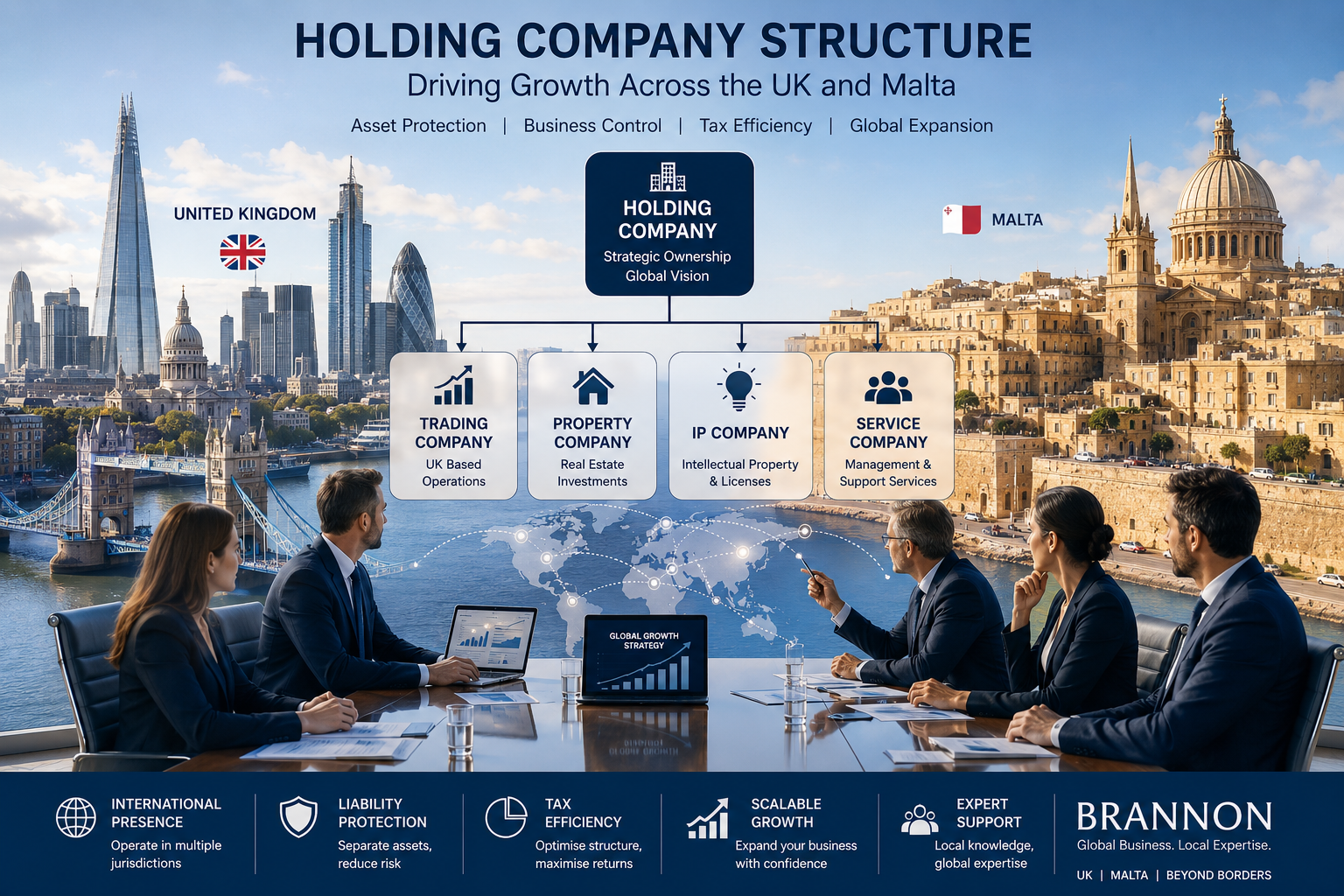
Wyoming LLC planning for European tax residents requires more than a low-cost US filing. European founders considering U.S. entity formation should weigh Wyoming LLC benefits-limited liability, low fees, and privacy-against obligations such as U.S. and home-country tax reporting, potential controlled foreign company rules, and withholding taxes; professional advice can clarify whether state-level simplicity aligns with each resident’s tax residency, business structure, and compliance requirements.
Key takeaways for European Wyoming LLC owners

- Wyoming LLCs offer low cost, privacy and no state income tax, but formation in Wyoming does not exempt European tax residents from their home-country taxation on worldwide income.
- For U.S. tax purposes an LLC is typically flow-through (unless it elects corporate status); non‑U.S. members are generally taxed only on U.S.‑source/ECI, while treaty benefits and local classification can vary by country and may limit relief.
- EU reporting, CFC/anti‑abuse rules, CRS/FATCA exchange and banking due diligence mean you need genuine economic substance, local tax advice and full compliance to avoid reclassification, penalties or loss of treaty benefits.
Understanding the Basics of a Wyoming LLC
Start with our Wyoming company formation guide, then compare the structure with UK company formation and Ireland company formation. The best choice depends on management, customers, banking and the owner’s actual tax residence.
What is an LLC?
An LLC (limited liability company) is a flexible business entity that combines corporate liability protection with partnership-style pass-through taxation; members aren’t personally liable for most company debts, distributions are taxed at owner level in most jurisdictions, and management can be member- or manager-managed, making it common for holding companies and small operating businesses used by non-US residents.
Key Features of Wyoming LLCs
Wyoming LLCs are known for strong privacy (no public member registry), low state costs (formation fee typically $60; annual report minimum $60), no state income tax, statutory charging-order creditor protection, and simple online formation often completed within 1–3 business days.
- Limited liability shielding members from most company claims.
- Pass-through taxation at the owner level for most tax systems.
- High privacy: member names not listed in public filings.
- Low state fees: initial filing about $60; annual report minimum $60.
- Charging-order protection that restricts creditor remedies to distribution rights.
- Flexible management structures (member- or manager-managed).
- Fast online formation and straightforward ongoing compliance.
- Thou can leverage anonymity and low recurring costs for holding and estate-planning structures.
Charging-order protection, for example, means a creditor typically cannot force sale or take control of company assets-creditors receive distribution rights only; nominee managers and registered-agent services amplify privacy, while the $60 minimum annual fee keeps carrying costs low, though federal US tax and home-country reporting still apply to income and distributions.
- Registered agent required (commercial agent in Wyoming) to accept service of process.
- Annual report and license tax based on assets in Wyoming or $60 minimum.
- No state corporate or personal income tax in Wyoming for residents or pass-through entities.
- Formation processing usually completed online in 1–3 business days.
- Operating agreement recommended to document member rights and protections.
- Thou must maintain accurate books and comply with home-country disclosure and tax rules despite Wyoming’s privacy advantages.
Benefits of Forming an LLC in Wyoming
Wyoming offers asset protection, strong privacy, minimal state fees, and a business-friendly legal framework; these attributes suit holding companies, IP holding, and some passive investment structures, while the lack of state income tax lowers state-level cost for US-sourced earnings retained in the entity.
For European tax residents, Wyoming LLCs can simplify ownership structures and offer creditor barriers and estate-planning benefits, but they do not eliminate home-country taxation or reporting-examples include German or French residents who still declare worldwide income and may face controlled foreign company rules; banks may require beneficial-owner disclosure and enhanced due diligence despite Wyoming’s anonymity.
The Appeal of Wyoming LLCs for Non-US Residents
Low Cost of Formation and Maintenance
Wyoming charges a $60 filing fee to form an LLC and an annual report fee that’s the greater of $60 or 0.0002 of assets located in Wyoming; using a professional registered agent typically adds $50-$300 per year. For many European founders the first-year cash outlay sits around $150-$400, making Wyoming one of the lowest-cost U.S. jurisdictions for simple holding or operating entities.
Strong Privacy Protections
Wyoming filings generally do not require public disclosure of members or managers-public records normally show only the organizer and registered agent-so casual online searches won’t reveal beneficial owners. That said, beneficial ownership reporting to FinCEN may still apply, and banks will perform standard KYC checks when you open accounts.
Delving deeper, Wyoming’s statutory filings let you use nominee managers, trusts, or corporate managers to keep ownership off public state records, which many international clients use to avoid exposure in internet searches or corporate registries; a Netherlands-based SaaS founder, for example, can appear as the sole member on internal documents while the state record lists only a registered agent. However, the U.S. Corporate Transparency Act created a non-public FinCEN BOI database: entities formed after Jan 1, 2024 must report their beneficial owners within 90 days, and pre-existing entities were given a later compliance window, so privacy from the public record does not equal secrecy from federal authorities or financial institutions. Noncompliance risks regulatory scrutiny and loss of banking access, so privacy strategies should be paired with correct BOI filings and robust KYC documentation for banks (passports, proof of address, source-of-funds) to avoid account freezes or de-risking.
Flexibility in Management Structure
Wyoming allows single-member LLCs, member-managed or manager-managed setups, and foreign persons or entities to serve as managers, so you can structure control and liability to match business needs. Operating agreements can establish detailed voting rights, profit allocation, and succession rules, giving founders strong contractual freedom without onerous statutory defaults.
In practice, that flexibility supports diverse cross-border arrangements: a Swiss consultant can be the sole member while delegating daily control to a Malta-based corporate manager, or a group of Spanish investors can create different classes of membership interests with tailored profit-sharing formulas. Wyoming law defers to the operating agreement on fiduciary duties and governance, enabling provisions such as supermajority approvals for distributions, buy‑sell triggers tied to change-of-residence, or explicit limits on manager authority to reduce U.S. nexus risk. Banks and service providers often prefer clear manager designations on corporate bank account applications, so striking the right managerial balance in the operating agreement both operationalizes control and smooths practical steps like opening U.S. payment rails.
European Tax Residency Explained
US classification should be checked against the IRS LLC guidance, federal ownership reporting information from FinCEN, and the relevant European rules summarised by Your Europe.
Definition and Criteria for Tax Residency in Europe
Most European countries use a combination of tests: physical presence (commonly 183 days in a calendar year), habitual abode or permanent home, and “center of vital interests” (family, economic ties). Several states apply statutory rules-UK’s Statutory Residence Test, Germany’s permanent home concept-while double‑tax treaties apply OECD tie‑breaker rules when two jurisdictions claim residency. Corporate structures, short stays, and split years are assessed case‑by‑case by tax authorities.
Common European Tax Jurisdictions
Popular jurisdictions for individuals include Portugal (NHR regime), Malta (remittance and domicile rules), Cyprus (non‑dom regime), Netherlands (30% ruling for incoming employees), Ireland (low corporate tax environment) and Switzerland (cantonal regimes and lump‑sum alternatives). Each offers different residency tests, benefit durations and reporting obligations that affect personal and corporate planning.
For example, Portugal’s NHR can grant 10 years of preferential taxation on qualifying foreign‑sourced income and certain domestic professional income; the Netherlands’ 30% ruling historically applied for up to five years to reimburse extraterritorial costs; Malta permits remittance taxation for non‑doms if foreign income is not brought into Malta; Cyprus exempts foreign dividends and interest for a fixed non‑dom period. Switzerland’s cantons vary widely-Zug versus Geneva-impacting effective personal tax rates and exit consequences.
Implications of Being a Tax Resident in Europe
Tax residency typically triggers worldwide taxation, mandatory filing of income tax returns, potential social security contributions, and disclosure obligations (e.g., FATCA/CRS reporting). Residents face local withholding, progressive personal rates (top brackets often exceed 45% in several countries), and must consider double‑tax relief under bilateral treaties to avoid double taxation.
Practical implications include exit taxes on unrealised gains in some states, wealth tax exposures (Spain and certain regions levy wealth levies with progressive rates), and mandatory reporting of foreign assets (France, Spain, Norway have strict disclosure regimes). A case: a founder relocating to Spain who becomes resident (over 183 days) may be liable for worldwide income and regional wealth tax, whereas moving to Portugal under NHR could defer or reduce taxation on certain foreign income streams for up to 10 years.
Taxation of Foreign Entities for European Residents
Overview of International Tax Obligations
European tax residents must report worldwide income and assess whether a US LLC creates taxable presence or is treated as transparent. Many EU countries apply controlled foreign company (CFC) rules, attribute passive income, and allow foreign tax credits; for example, a €100,000 distribution from a US source can trigger immediate reporting and domestic taxation even if US tax was withheld.
Double Taxation Treaties and Their Importance
Treaties between the US and European states often reduce the US statutory 30% withholding on dividends, interest and royalties to 0–15% and allocate taxing rights via the permanent establishment (PE) concept, preventing double taxation and enabling foreign tax credits in the resident state.
Practical application depends on entity classification and treaty text: single‑member Wyoming LLCs treated as disregarded for US tax require the beneficial owner to claim treaty benefits, but some treaties and domestic rules (or Limitation on Benefits clauses) deny relief if ownership or activity tests fail. Example: treaty relief that would cut withholding from 30% to 15% may be unavailable if the owner cannot satisfy residency or LOB provisions, leaving the resident to claim a domestic foreign tax credit instead.
Reporting Requirements for Foreign LLCs
US filing duties can include pro‑forma Form 1120 and Form 5472 for foreign‑owned disregarded entities, with penalties typically starting at $25,000 for non‑filing; concurrently, European residents face national disclosure rules, CFC declarations and annual personal tax reporting of foreign company income.
Specifically, a foreign‑owned Wyoming LLC must file a pro‑forma 1120 with Form 5472 by the corporate return due date (extensions apply) or incur the $25,000 initial penalty and escalating fines; additionally, many EU jurisdictions require CFC disclosure and may attribute passive profits to the resident taxpayer, potentially generating tax now even if US withholding reduced overall tax paid.
Analyzing the Tax Implications of a Wyoming LLC for Europeans
US Tax Considerations
An SMLLC owned by a non‑US individual is typically treated as a disregarded entity for US federal tax unless it elects corporate status, so US‑source effectively connected income (ECI) is taxed on Form 1040‑NR or on a corporate return if an election is made; FDAP (interest, dividends, royalties) faces a 30% withholding unless reduced by treaty; Wyoming imposes no state personal or corporate income tax, and foreign‑owned disregarded entities must file Form 5472 with a pro‑forma 1120 or face $25,000 penalties.
European Taxation of Foreign Entities
Many EU countries apply Controlled Foreign Company (CFC) and anti‑avoidance rules that can attribute LLC income to European residents — typical triggers include direct or indirect control above ~50% and passive income streams like interest, royalties or dividends; outcomes vary by country and can negate the intended shelter of a low‑tax US state.
For example, Germany, France, the UK and Italy enforce CFC regimes with different thresholds and look‑through approaches: Germany generally attributes passive income where low taxation and control criteria are met, the UK targets diverted profits and passive returns, and France uses substance and beneficial ownership tests; additionally, automatic information exchange under CRS and national beneficial‑ownership registers increase transparency, so tax authorities can recharacterize profits and assess additional tax, interest and penalties if substance is lacking.
Cross-Border Tax Issues
Entity classification mismatches between US and European systems can deny treaty benefits and create unexpected withholding — US LLC treated as flow‑through may be seen as a company in Europe, complicating claims to reduced dividend or royalty rates (US default withholding is 30%, treaties often reduce to 0–15%); permanent establishment rules and double taxation relief must be evaluated case by case.
Practically, this means building demonstrable economic substance in the chosen jurisdiction, documenting arm’s‑length intercompany terms, and planning for VAT, local corporate filing obligations and transfer‑pricing documentation; obtain treaty analysis and, when possible, advance rulings or competent authority opinions to mitigate risks, and expect audits focused on passive income allocation, management and control indicators.
Regulatory Compliance for Wyoming LLCs
Registration and Reporting Requirements
Form Articles of Organization with the Wyoming Secretary of State, appoint a Wyoming registered agent with a physical address, and file an annual report plus license tax based on Wyoming assets (minimum $60). Foreign qualification is required if the LLC “does business” outside Wyoming. Federal BOI reporting under the Corporate Transparency Act typically requires submitting beneficial owner information to FinCEN for most newly formed and existing entities unless exempt.
Operating Agreements and Internal Rules
Wyoming does not mandate a written operating agreement, yet drafting one sets member vs. manager roles, capital contributions, distribution waterfalls, voting thresholds (e.g., 50% for ordinary actions, 67% for amendments), transfer restrictions and dissolution triggers, and helps banks and tax authorities treat the LLC as a separate entity for compliance and substance purposes.
Practical clauses to include: capital-call mechanics, priority returns, buy‑sell/shotgun provisions with pricing formulas, deadlock resolution (mediation or tied buyout), manager authority limits, indemnification, and accounting methods. Specify governing law (Wyoming) and dispute venue, add confidentiality and IP ownership language, and include amendment procedures; these details reduce ambiguity for cross-border members and strengthen documentation for European tax residence tests and substance audits.
Tax Identification Numbers and Withholding Requirements
Most Wyoming LLCs need an EIN for banking, payroll, and filing U.S. returns; foreign owners apply via Form SS‑4 (international phone/fax options exist). U.S.-source FDAP payments face 30% withholding unless reduced by treaty, FIRPTA imposes 15% on U.S. real property sales, and employers must withhold payroll taxes; payers use Forms W‑8/W‑9 and report via Forms 1042/1042‑S or 1099 as applicable.
Operationally, a single-member foreign-owned LLC that’s a disregarded entity may not need an EIN for tax filings but banks typically require one; obtain an EIN before hiring or opening U.S. accounts. Backup withholding sits at 24% for certain payees, FATCA documentation (W‑8 series) is demanded by financial institutions, and treaty claims require proper withholding documentation and timely Form 8233 or treaty-based forms when applicable.
Reviewing Privacy and Asset Protection Benefits
Privacy Laws in Wyoming
Wyoming formation documents do not require public listing of members or managers, enabling use of a registered agent and nominee managers to keep ownership off state records; annual reports carry a $60 minimum fee (or 0.0002 of assets located in Wyoming). Federal rules still apply: under the Corporate Transparency Act, beneficial owners must be reported to FinCEN, and banks will collect UBO information during KYC. State-level privacy reduces public visibility but does not eliminate regulatory disclosures.
Asset Protection Strategies Offered by an LLC
Wyoming LLCs offer strong statutory protections that make charging orders the primary remedy for creditor claims, permitting owners to limit personal exposure; common strategies include isolating assets in separate LLCs, using holding companies, and employing series LLCs where available to segregate liabilities. Low maintenance costs-$60 annual minimum plus registered agent fees-make multi-entity structures economically feasible for asset segmentation and risk management.
Charging orders typically prevent creditors from seizing LLC assets directly and instead grant rights to future distributions, which preserves the operating company while redirecting claims; however, exceptions exist for fraudulent transfers, sham entities, or veil-piercing where courts find bad faith. Practical example: a real-estate investor places each rental property in its own Wyoming LLC, so a single tenant claim is confined to that LLC rather than the entire portfolio, while maintaining separate banking and bookkeeping for each entity.
Implications for European Tax Residents
European residents face layers of disclosure and tax rules despite state-level privacy: most EU countries tax worldwide income, require reporting of foreign accounts/companies under CRS/FATCA, and may treat undistributed profits under Controlled Foreign Company (CFC) rules. Banks will insist on UBO details, and tax authorities can obtain information from U.S. or intermediary banks, so anonymity for tax reporting purposes is limited even if state filings are sparse.
Practical consequences include mandatory local reporting (examples: Spain’s historical Modelo 720 for overseas assets and various national declarations of foreign holdings), potential attribution of LLC income under CFC regimes, and the need to demonstrate arm’s‑length substance-active management, local contracts, and separate accounting-to resist recharacterization. Engaging both U.S. and home-country advisors helps align entity structure with reporting obligations, minimize inadvertent tax exposure, and document bona fide business activity.
Costs and Fees Associated with Wyoming LLCs
Formation Costs
Wyoming charges a $60 filing fee to form an LLC; common additional expenses include registered agent services ($50-$300/year), formation-service packages ($100-$500), and optional expedited or certified copies. Obtaining an EIN from the IRS is free if you apply directly, but using a third-party service typically costs $50-$150. Expect basic outlay of $200-$600 to get started if you use a paid agent and formation service.
Annual Fees and Taxes
Wyoming imposes an annual report/license tax: a $60 minimum or 0.0002 of the value of assets located in Wyoming (so $1,000,000 in assets = $200). Reports are due in the LLC’s formation-month anniversary. Wyoming has no state income tax on LLC income, but federal filings and foreign-owner reporting can create costs for non-US residents.
Foreign-owned LLCs should budget for US filing requirements that can be expensive: a foreign-owned single-member LLC that is disregarded often must file Form 5472 (and a pro-forma Form 1120), failure of which carries a $25,000 penalty. Tax-prep and compliance for cross-border owners typically run $1,000-$5,000 annually depending on complexity; adding payroll, sales tax obligations, or nexus-driven filings can push that higher.
Additional Costs for Compliance and Maintenance
Ongoing compliance adds costs beyond state fees: registered agent renewal ($50-$300/year), bookkeeping ($500-$2,000/year), and professional tax or legal advice ($1,000+). Banking, mail forwarding, and virtual office services commonly add $100-$600 annually, so many owners see recurring maintenance of $1,000-$4,000 per year.
Expect extra one-time or situational expenses: banks often require notarized or apostilled documents and may charge account-setup or wire fees ($100-$500); obtaining ITINs or certified translations can add $200-$800; FinCEN Beneficial Ownership reporting has no fee but may require lawyer time. For European tax residents, international tax advice (CFC rules, residence reporting) frequently costs $2,000-$10,000 in the first year. A realistic first-year outlay example: $60 formation + $150 agent + $800 bookkeeping + $2,500 tax advice + $300 banking = ~$3,810.
Alternatives to a Wyoming LLC
Domestic LLCs in European Countries
Forming a domestic LLC-like entity (GmbH in Germany, SARL in France, Ltd in the UK) often simplifies VAT registration, local banking and contracting; GmbH requires €25,000 share capital (or a mini‑GmbH/UG from €1) and effective tax rates around 30% including trade tax, France applies ~25% corporate tax, and UK corporation tax ranges from 19–25% depending on profit bands-formation costs typically €100-€1,000 and incorporation times run 1–6 weeks.
Other US State LLCs
Delaware offers a respected Chancery Court and flexible LLC law but franchise taxes and annual fees can be high for corporations; Nevada provides no corporate income tax and strong privacy but has business license fees and a commerce tax threshold (gross revenue over ~$4M); New Mexico is low‑cost with anonymity and no annual reports; filing fees range roughly from $50 (NM) to several hundred dollars (NV).
Choice of state should match business reality: nexus rules mean sales, payroll or physical presence can trigger state taxes where you operate, so a Delaware LLC that never operates in Delaware still may owe fees but not income tax there; investors and VCs generally prefer Delaware C‑Corps over LLCs for familiar governance and stock structures, while Nevada/New Mexico privacy advantages are often limited by bank KYC, FATCA and CRS reporting for European owners-foreign qualification in operating states adds filing burdens and local taxes.
Other Business Structures
C‑Corporations, S‑Corporations (US persons only), partnerships, sole proprietorships, UK LLPs and the EU Societas Europaea (SE) are common alternatives; US federal corporate tax sits at 21% (C‑Corp), S‑Corp limits to 100 US shareholders with pass‑through taxation, and SE formation typically requires substantial capital and cross‑border setup-each structure affects investor appeal, withholding tax, and reporting obligations differently.
C‑Corps are the standard for venture funding-Delaware C‑Corps enable stock classes and option pools but entail double taxation unless mitigated; S‑Corps offer pass‑through taxation but exclude non‑US shareholders; an SE (minimum capital often around €120,000) suits pan‑EU operations seeking a single legal entity, while LLPs provide partnership flexibility and pass‑through tax treatment for professionals; select based on investor needs, share transferability, withholding treaty impacts on dividends and the administrative cost of compliance in each jurisdiction.
Case Studies of European Tax Residents Using Wyoming LLCs
- 1) Germany — IT contractor: Single-member Wyoming LLC formed in 2018. Annual gross revenue €180,000; LLC paid US banking fees $300/yr and registered-agent $150/yr. German resident reported worldwide income; used LLC to invoice clients, reduced German payroll administration by 60% but paid German income tax ~42% plus social contributions. No US federal tax due on pass-through profits after applying tie-breaker provisions and treaty checks; tax compliance cost ~€2,200/year.
- 2) France — E‑commerce seller: Multi-member LLC (2 partners) set up 2020. Amazon sales €420,000/yr; Wyoming LLC held US merchant accounts and US-based supplier contracts. VAT obligations remained in EU: collected €84,000 VAT and remitted to France. Corporate-like structure simplified supplier payments; overall net margin improved 4 percentage points after operational efficiencies; additional French corporate tax and social charges applied on distributions.
- 3) Spain — Freelance consultant: Single-member Wyoming LLC used 2019–2022. Annual revenue €65,000; avoided Spanish autónomo monthly social-security payments by channeling receipts through the LLC plus paying self-employment via payroll through Spanish company controlled by resident. Faced scrutiny from Spanish tax agency; payable back contributions €11,500 for misclassification in one audit year; post-audit compliance increased annual costs by €1,800.
- 4) Netherlands — SaaS founder: Delaware-equivalent structure chosen for IP, but used Wyoming LLC as a holding entity in 2021. Seed funding €350,000 routed via LLC to simplify US investor relations. With proper intercompany agreements and Dutch substance (2 employees, office) saved ~15% withholding through treaty-compliant licensing. Annual corporate/legal overhead for structure ≈ €12,000.
- 5) Italy — Digital agency: Wyoming LLC formed 2017, revenue €260,000/yr. Maintained US bank account for USD receipts reducing FX loss by ~2.1% annually (~€5,400). Italian tax residency meant profits taxed in Italy; used LLC to manage contracts and limit cross-border payment friction. Audit risk increased administrative hours by ~120/yr; professional fees rose by €3,600.
- 6) Poland — Crypto trader: Wyoming LLC opened 2021 for trading operations, annual turnover $1.2M, realized gains $95,000. Polish resident declared gains; LLC helped separate business activity from personal wallets, easing custodial relationships. Exchange KYC preferred corporate account; tax filing complexity increased but enabled clearer bookkeeping, costing ~PLN 9,000/year in advisory fees.
- 7) Sweden — Remote SaaS contractor: Single-member Wyoming LLC for 2022 contracts, revenue €95,000. Used LLC to invoice U.S. clients, saving ~€2,400/year in intermediary fees and simplifying contract terms. Swedish Tax Agency reviewed substance; founder added a part-time Swedish accountant and a small co-working agreement as evidence of business operations, increasing annual running costs by €3,000 but avoiding recharacterization risk.
Success Stories
Several residents reported practical wins: smoother USD payments, reduced payment-processing fees (2–3% savings on volume), and clearer separation of business banking that attracted U.S. clients and investors; one SaaS founder closed €350,000 in seed funding after using a Wyoming entity to present a clean cap table and banking setup.
Challenges Faced
Audit exposure and substance requirements were the main issues: multiple taxpayers faced residency-agency queries and had to prove economic ties to their European country, incurring back taxes or social-security reclassifications in two cases totaling €11,500 and professional fees exceeding €4,000.
Tax authorities focused on economic reality: when operations, decision-making and employees remained in Europe, reassessments argued profits were taxable locally. Establishing Dutch or local substance (employees, office, invoices) reduced dispute risk but added ongoing costs (€6,000-€15,000/yr). Banking KYC for corporate accounts also delayed onboarding 2–8 weeks and sometimes required U.S. mailing addresses or local directors.
Lessons Learned
Practical takeaways include documenting substance, aligning contracts to reflect where services are performed, and budgeting for local compliance: formation costs are modest (~$300-$800), but annual compliance, advisory, and potential social-security liabilities commonly range €2,000-€15,000.
Operationally, combining a Wyoming LLC with clear local presence (a small office, payroll, or a management agreement) reduced enforcement risk. For income over €200,000, the incremental compliance spend was often justified by payment efficiencies and investor access; for under €50,000, the extra complexity frequently outweighed benefits.
Tips for European Tax Residents Considering a Wyoming LLC
- Engage dual-qualified advisors (U.S. and home-country) to analyze CFC exposure, treaty claims, and income characterization.
- Build substance: maintain a board meeting record, corporate bank account, and commercial contracts to reduce PE and sham-company risk.
- Complete U.S. filings: obtain an EIN, meet FinCEN BOI obligations, and file Form 5472 for foreign-owned disregarded entities.
- Track international reporting: CRS automatic exchange, FATCA where applicable, and EU DAC6/DAC7 disclosure windows and hallmarks.
- Run annual reviews of revenue mix-passive income above common 50% thresholds often attracts CFC rules in many EU jurisdictions.
Consulting with Tax Professionals
Use both U.S.-licensed and local tax counsels to map tax residency tests, treaty benefits, and CFC rules; typical advisory rates range €150-€400/hour for senior advice. Ask for a written memo showing which incomes would be taxable at home versus in the U.S., and request scenario work showing tax at 0%, 15%, and 30% effective rates so you can quantify the trade-offs before forming the LLC.
Understanding Local Regulations
Check domicile-specific rules: many EU countries have CFC regimes, beneficial ownership registers, and specific disclosure obligations (DAC6/DAC7). For example, Germany’s rules target non-resident entities controlled over 50%, while FinCEN’s BOI reporting (effective 2024) requires many U.S. entities to disclose beneficial owners to federal authorities.
Also assess VAT and PE risks: having a sales agent, employees, or warehousing in your home state often creates a permanent establishment under OECD guidance, which can trigger local corporate tax-compare local corporate tax rates (e.g., roughly 25–33% in several EU states) with U.S. federal 21% plus Wyoming’s 0% state corporate tax to model impact.
Planning for Future Tax Obligations
Project future liabilities by modeling profit mix and residence changes for the next 3–5 years; include withholding taxes on dividends (commonly 15–25% without treaty relief), potential CFC inclusions, and the effect of automatic information exchange. Maintain contemporaneous transfer-pricing documentation and clear shareholder loan records to limit recharacterization risk.
Consider obtaining pre-formation rulings or advance pricing agreements where available, and schedule regular tax health checks-quarterly for first two years, then annually-to capture changes in turnover, nexus, or ownership. Keep five years of supporting documentation for audits and disclose materially reportable cross-border arrangements under applicable mandatory disclosure rules.
Assume that you should reserve 20–30% of anticipated distributions to cover potential home-country tax adjustments, withholding, and reporting-related costs.
Frequently Asked Questions (FAQ)
Can a Wyoming LLC be owned by a non-US resident?
Yes — Wyoming permits 100% foreign ownership and single‑member LLCs; no US citizenship or residency is required. Formation fee is $60, annual report minimum $60, and a Wyoming registered agent is mandatory. An EIN from the IRS will be needed for banking, hiring, or certain tax filings, while banks and payment processors will apply strict KYC that often requires passport, proof of address, and sometimes additional documentation or a US presence.
How does a Wyoming LLC affect tax obligations in Europe?
European tax residents remain taxable on worldwide income, so owning a Wyoming LLC typically creates reporting duties at home and may trigger Controlled Foreign Company (CFC) rules, withholding, or attribution of undistributed profits. Permanent establishment risk arises if business activities occur in a European country, and double tax treaties or entity classification (pass‑through vs corporation) materially change timing and type of taxation.
Digging deeper, classification under US rules (default pass‑through or electing corporate status via IRS Form 8832) and the home country’s view determine tax timing: if your country treats the LLC as fiscally transparent, profits are taxed to you immediately at personal rates (often 30–50% top marginal), whereas if treated as a corporation you might only be taxed on dividends, subject to national withholding and treaty relief. CFC regimes in Germany, France and Italy can attribute passive income and apply effective rates similar to domestic corporate tax; practical examples include an EU resident running a SaaS through a Wyoming LLC-revenues invoiced via the LLC still require VAT obligations in the EU and personal tax reporting in the owner’s country. Professional cross‑border tax advice is vital to map filing needs, treaty positions and possible double taxation relief.
Are there specific industries better suited for Wyoming LLCs?
Digital and service businesses such as SaaS, consulting, affiliate marketing, IP holding, and small e‑commerce operations often fit well due to minimal state fees, privacy, and asset protection. Conversely, highly regulated sectors-financial services, payment processing, gambling, and certain crypto activities-face licensing, AML, and banking hurdles that reduce the practical benefits of a Wyoming LLC.
For example, a European SaaS founder billing global customers via a Wyoming LLC can centralize contracts and benefit from low state costs (formation $60, annual report $60), but still needs to register for VAT in customer jurisdictions and meet local payroll/tax rules if personnel work in Europe. A dropshipping merchant may encounter payment processor scrutiny and reserve holds (commonly 1–5% or rolling reserves), while a crypto company will likely require specific licenses and extensive KYC that offset Wyoming’s anonymity advantages. Cost examples: registered agent services typically run $50-$200/year, and international business banking or incorporator services can add $100-$1,000 in one‑time or annual fees, changing the effective economics by business model and volume.
The Future of Wyoming LLCs for European Tax Residents
Changes in US Tax Law
Expect federal shifts to affect Wyoming LLCs: proposals to tighten GILTI, modify FDII, and the global minimum tax will reshape cross-border profitability, while the Inflation Reduction Act’s roughly $80 billion in IRS funding boosts audits and enforcement, increasing scrutiny on foreign-owned US entities and information-sharing with EU counterparts.
Evolving European Regulations
EU-level moves — notably the Pillar Two minimum tax (applying to groups with €750 million consolidated revenue), DAC6/DAC7 reporting, and expanding AML/beneficial ownership rules — mean greater transparency and reporting for Europeans using offshore structures, pushing authorities to flag perceived tax avoidance more quickly.
Several member states now demand demonstrable substance: local payroll, physical premises, and management meeting records are routinely reviewed, and automatic CRS exchanges cover most jurisdictions, making anonymity and paper-only setups risky; advisors increasingly recommend documented economic activity or forming an EU-based entity to avoid penalties and banking friction.
Predictions for Global Business Trends
Cross-border compliance will favor real economic presence over nominal structures, digital services and remote-work taxation will expand, and banks will tighten onboarding for foreign LLCs; multinational tax alignment (Pillar Two) plus national enforcement will raise ongoing costs for simple entity arbitrage.
Consequently, Wyoming LLCs will still appeal for asset protection and low state-level taxation, but many European residents will pivot to hybrid solutions: maintain a Wyoming LLC for contract and IP reasons while running operations through an EU company with local payroll and banking to satisfy substance, reporting, and CRS expectations.
Summing up
Hence a Wyoming LLC may suit European tax residents for asset protection and U.S. business activities, but it will not automatically exclude them from home-country taxation; domicile rules, CFC regimes, substance and reporting obligations, banking access and treaty positions determine suitability, so obtain tailored tax and legal advice before proceeding.