business storage solutions Business storage solutions requires more than a paper structure. International businesses should align ownership, management, tax, banking and commercial purpose before relying on the arrangement.
Business Storage Solutions Explained
For wider reporting on international business and finance, readers can also follow Michael Schmitt, Trider and the Malta Business Report.
Useful standards and guidance are available from the OECD BEPS programme, the Financial Action Task Force and the European Commission taxation portal.
Compare the available options in our holding company guide, UK company formation and Ireland company formation resources.
This is where commercial shelving systems come into play. These innovative storage solutions offer a range of benefits beyond just storage, helping businesses maximize efficiency and stay ahead of the competition.
One of the main reasons efficient storage solutions are important is that they allow businesses to make the most of their available space. With limited space and rising costs, companies must find ways to optimize their storage capacity. Commercial shelving systems provide a solution by utilizing vertical space and allowing businesses to store more goods in a smaller footprint. Not only does this help increase storage capacity, but it also minimizes clutter, making it easier for employees to navigate the work area and find items quickly.
Another important aspect of efficient storage solutions is their impact on productivity. When items are organized and easily accessible, employees can spend less time searching for products or materials and can focus more on their core tasks. This leads to higher productivity and optimized processes. Additionally, efficient warehousing solutions can also improve order fulfillment processes as items can be stored in a logical and systematic manner, facilitating the accurate and efficient picking and packing of orders.
Types of Commercial Shelving Systems Available
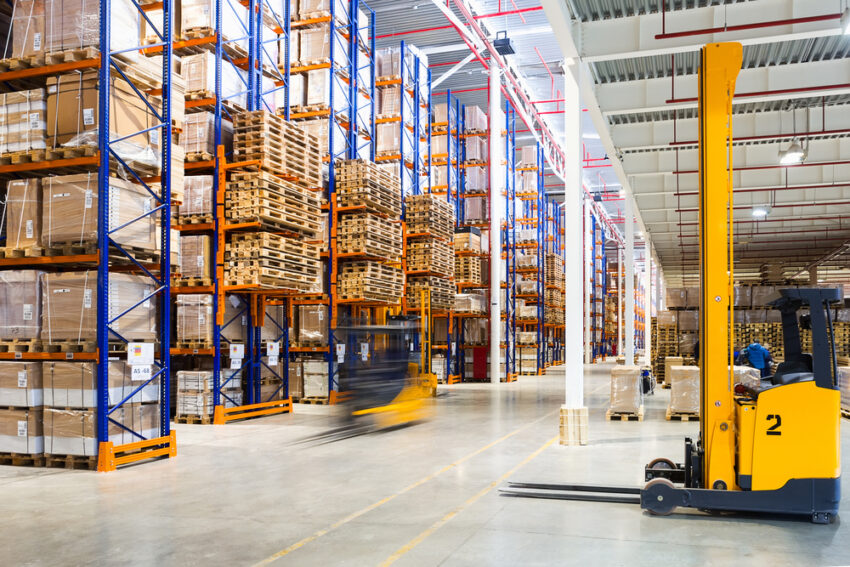
Commercial shelving systems come in a variety of styles, each tailored to specific storage needs and requirements. Understanding the different types can help companies choose the right system that fits their operations and maximizes their efficiency.
- Selective Pallet Racking: This is one of the most common types of commercial racking systems. It allows direct access to each pallet and is therefore suitable for companies that need to retrieve goods frequently and quickly. Selective pallet racks is versatile and can be easily adapted to different pallet sizes and weights.
- Drive-in racks: Drive-in racks are ideal for businesses that store large quantities of the same product. In this system, pallets are stored in aisles and forklifts can enter the aisles to load or unload goods. This maximizes storage density but reduces selectivity because it follows the last-in-first-out (LIFO) principle.
- Cantilever racks: Cantilever racks is designed for storing long, bulky items such as pipes, lumber or furniture. It features arms that extend from a vertical column, allowing easy loading and unloading of items. This type of shelving system is ideal for businesses in industries such as construction, manufacturing and retail.
- Push-Back Racks: Push-back racks are a high-density storage system that allows multiple pallets to be stored in a single lane. Pallets are loaded from one side and when a new pallet is added, it pushes the previous pallet back. This system offers good storage density and selectivity.
- Mobile Shelving: Mobile shelving systems are designed to maximize space utilization by eliminating the need for multiple aisles. The shelves are mounted on motorized carts that move on rails so only one aisle is accessible at a time. This type of shelving system is suitable for businesses that have limited space but require high-density storage.
Benefits of Using Commercial Shelving Systems
Commercial shelving systems offer a number of benefits that contribute to the overall efficiency and success of businesses. Here are some of the key benefits of using these innovative storage solutions:
- Maximized Space Utilization: One of the key benefits of commercial shelving systems is their ability to maximize space utilization. By utilizing vertical space, companies can store more goods in a smaller area, effectively increasing their storage capacity without the need for expansion. This is particularly valuable for companies operating in areas where real estate inventory is limited and expensive.
- Improved Accessibility and Organization: Commercial shelving systems provide a structured and organized approach to storage. With clearly defined storage locations, companies can easily find and retrieve items, minimizing the time spent searching for products or materials. This improves overall workflow efficiency and ensures employees can focus on more value-added tasks.
- Increased Productivity: Efficient storage solutions contribute to improved productivity in the workplace. When items are organized and easily accessible, employees can quickly find and retrieve what they need, reducing downtime and increasing overall productivity. This is particularly beneficial in industries where time is of the essence, such as logistics and retail.
- Improved Inventory Management: Commercial shelving systems allow businesses to better manage inventory. With clear inventory visibility and easy access to goods, companies can accurately track inventory, reduce the risk of stock-outs or overstocks, and minimize the likelihood of product obsolescence. This leads to improved inventory turnover and better cost control.
- Optimized order processing: Efficient warehouse solutions enable optimized order processing processes. With a well-organized warehouse system, companies can streamline order picking and packing, reduce errors, and improve order accuracy. This not only increases customer satisfaction, but also contributes to faster order processing and delivery times.
- Improved Workplace Safety: Commercial shelving systems contribute to workplace safety by reducing the risk of accidents caused by clutter or poorly organized materials. Safely storing items in designated locations minimizes the risk of tripping, falling, or hazards. Additionally, these systems can be equipped with safety features such as load capacities and secure locking mechanisms to ensure the safety of both employees and stored goods.
- Modular Design for Adaptability: Commercial shelving systems are designed for modularity. This means companies can easily adapt and expand their storage solutions as their needs change. Whether it’s adding additional racks, reconfiguring layouts, or integrating new features, these systems provide the flexibility to adapt to changing business needs, ensuring long-term efficiency and scalability.
Overall are the benefits of using it commercial shelving systems are numerous and significant. From maximizing space utilization to increasing productivity to improving workplace safety, these innovative storage solutions give companies a competitive advantage in today’s fast-paced business landscape.
Maximize space utilization with commercial shelving systems
Space utilization is a crucial factor for companies that want to maximize their efficiency and productivity. By making the most of available space, companies can optimize their storage capacity and streamline their operations. Commercial shelving systems play a key role in maximizing space utilization and offer various strategies to achieve this goal.
One strategy to maximize space utilization is to utilize vertical space. Traditional storage methods often do not fully utilize the height of a facility, resulting in wasted space. Commercial shelving systems, on the other hand, are designed to make optimal use of vertical space. Tall shelves and shelving units allow businesses to store goods and materials vertically, effectively increasing their storage capacity without requiring additional floor space.
Another strategy is to implement high-density storage solutions. High density storage systems such as B. Drive-in shelves or push-back shelves allow companies to store multiple items in a smaller footprint. With these systems, pallets or items are stored in lanes or on rails, making optimal use of the available space. This is particularly beneficial for companies that process large quantities of the same product or have limited storage space.
In addition to vertical utilization of space and high-density storage, companies can also implement efficient storage techniques such as proper organization and categorization of items. By grouping similar items and using standard storage containers, companies can optimize the use of available space and minimize wasted space. This not only improves accessibility, but also reduces the likelihood of items being misplaced or lost.
Additionally, businesses may consider using specialized commercial shelving systems tailored to their specific needs. For example, cantilever racking is ideal for storing long and bulky items like pipes or lumber, while mobile racking systems are designed to eliminate the need for multiple aisles, maximizing space utilization in compact areas.
It is important to note that maximum space utilization with commercial shelving systems and Industrial shelves requires careful planning and consideration. Factors such as product dimensions, weight capacities and accessibility must be considered when selecting and configuring the racking system. Consulting with experts in this field can provide valuable insights and ensure companies are making the most of their available space.
By implementing strategies such as vertical space utilization, high-density storage solutions, efficient organization techniques, and dedicated shelving systems, companies can maximize their storage capacity and optimize their operations. This not only results in better use of space, but also contributes to improved productivity, optimized workflows and greater efficiency.
Improving inventory management with commercial shelving systems
Efficient inventory management is critical for businesses that want to maximize their efficiency and profitability. Commercial shelving systems play an important role in improving inventory management by providing businesses with effective storage solutions that optimize space utilization, improve organization, and streamline inventory processes.
One of the key ways commercial shelving systems improve inventory management is by providing a structured and organized approach to storage. With clearly defined storage locations and designated areas for specific items, companies can easily find and retrieve products or materials. This eliminates wasted time searching for items, reduces errors, and improves overall workflow efficiency.
In addition to organization, commercial shelving systems also provide greater visibility and control over inventory. By implementing a systematic inventory system, companies can accurately track their inventory levels, detect stock-outs or overstocks, and ensure optimal inventory turnover. This allows companies to avoid costly inventory mismatches, minimize the risk of items going out of stock, and reduce the likelihood of holding excess inventory that may become obsolete.
Another advantage of commercial shelving systems in inventory management is the ability to implement inventory rotation and management techniques. For example, the first-in-first-out (FIFO) method can easily be applied to selective pallet racking systems to ensure older inventory is used first to avoid expiration or obsolescence. Likewise, companies can implement the last-in-first-out (LIFO) method with drive-in racking systems, where newer inventory is stored in the back and older inventory is pushed forward for removal.
In addition, commercial shelving systems enable efficient picking and packaging processes and thus contribute to smooth order processing. With a well-organized warehouse system, companies can optimize the arrangement of their products, making it easier and faster for employees to select items for customer orders. This not only improves order accuracy, but also reduces the time spent on order processing and delivery, resulting in higher customer satisfaction.
When companies consider implementing commercial shelving systems for inventory management, they must consider factors such as product features, storage requirements, and accessibility. For example, perishable goods may require special storage conditions, while fast-moving goods may benefit from easily accessible locations within the racking system.
In summary, commercial shelving systems offer significant benefits for companies looking to improve their inventory management. By providing structured storage, increased visibility and optimized inventory processes, these systems contribute to better control of inventory, reduction of inventory discrepancies and improved order fulfillment. With efficient inventory management, companies can optimize their operations, reduce costs and ultimately maximize their profitability.
Improving workplace safety with commercial shelving systems
Safety at work is a top priority for companies in all industries. Commercial shelving systems play a critical role in improving workplace safety by providing businesses with efficient storage solutions that minimize hazards, reduce the risk of accidents and promote a safe work environment.
One of the most important ways that commercial shelving systems improve workplace safety is by reducing the risk of accidents caused by clutter or poorly organized materials. Traditional storage methods often stack items haphazardly or in disorganized piles, making it difficult to safely navigate the work area. This increases the risk of tripping, falling, or encountering hazards. Commercial shelving systems, on the other hand, offer a structured storage solution with clearly defined storage locations and designated areas for specific items. This eliminates clutter and ensures items are stored safely and organized, reducing the risk of accidents and injuries.
In addition, commercial shelving systems can be equipped with safety features to further increase workplace safety. For example, many shelving systems have load capacities specified by the manufacturer so that the shelves can safely support the weight of the stored goods. This avoids the risk of overloading the shelves and causing them to collapse, which can result in injury and damage to the stored items.
Additionally, commercial shelving systems can be equipped with secure locking mechanisms to prevent items from accidentally becoming loose. This means that the goods remain securely in place even in the event of seismic events or forklifts being nearby. By preventing items from falling or shifting unexpectedly, companies can minimize the risk of injury and damage to both employees and stored goods.
Another aspect of workplace safety that commercial shelving systems take into account is fire safety. Many racking systems are made from fire-resistant materials, which can help contain and prevent the spread of fires within a facility. Additionally, the open design of commercial racking systems allows for greater visibility and accessibility during firefighting operations, allowing for faster response to emergencies and minimizing the potential impact of fires on overall workplace safety.
It is important to note that workplace safety is a shared responsibility between companies and their employees. While commercial racking systems provide the infrastructure for safe storage, employees also need to be trained in safe handling and storage practices. This includes proper loading and unloading techniques, correct use of equipment such as forklifts, and adherence to safety protocols and guidelines.
In summary, commercial shelving systems make a significant contribution to improving workplace safety. Through structured storage, safety features and fire-resistant materials, these systems minimize hazards, reduce the risk of accidents and promote a safe work environment. However, it is important for companies to prioritize employee training and ensure safe handling and storage practices are followed to fully realize the safety benefits of commercial racking systems.
Factors to Consider When Choosing Commercial Shelving Systems
Choosing the right commercial racking system is critical for businesses looking to maximize efficiency and optimize storage capacity. However, given the wide range of options available, choosing the most suitable system can be a difficult task. To make an informed decision, companies must consider several key factors that align with their specific storage needs and requirements.
- Space Availability: Available space is one of the most important factors to consider when choosing a commercial shelving system. Businesses must evaluate the dimensions and layout of their facility to determine the type and configuration of shelving system that will fit in the available space. Understanding space constraints and limitations can help companies select a system that maximizes storage capacity without sacrificing workflow efficiency.
- Storage Requirements: Businesses should also consider their specific storage needs when selecting a commercial racking system. This includes factors such as the type of products or materials to be stored, their dimensions and weight, as well as any special storage aspects such as: B. Temperature or humidity requirements. By understanding storage requirements, companies can select a racking system that best meets their specific needs.
- Accessibility: Ease of access to stored items is another important factor to consider. Companies need to estimate how frequently items need to be retrieved and what level of selectivity is required. For example, if companies require frequent and quick collection of goods, a selective pallet racking system that allows direct access to each pallet may be the most suitable option. On the other hand, if companies process large quantities of the same product, a high-density storage system such as drive-in racking may be more suitable.
- Safety Considerations: When selecting a commercial shelving system, workplace safety should be a top priority. Companies must ensure that the system chosen is designed and manufactured to comply with relevant safety standards and regulations. These include resilience, stability and the presence of safety features such as secure locking mechanisms. In addition, companies should consider fire safety requirements and, if necessary, choose shelving systems made of fire-resistant materials.
- Flexibility and Scalability: Companies should also evaluate the flexibility and scalability of the commercial racking system. As business needs evolve, the racking system should be able to adapt and accommodate changes. This may include the ability to easily reconfigure the layout, add or remove racks, or incorporate new features. Choosing a system that offers flexibility and scalability ensures long-term efficiency and cost-effectiveness.
- Budget: Finally, businesses need to consider their budget when choosing a commercial shelving system. Racking systems vary in cost, and companies should evaluate the cost-effectiveness of each option relative to their specific storage needs and requirements. It is important to strike a balance between cost and functionality to ensure the system you choose offers the best value for money.
By carefully considering these factors, businesses can make an informed decision when selecting a commercial shelving system. Advice from experts in the field can provide valuable insight and guidance, ensuring that companies choose a system that maximizes their efficiency, optimizes their storage capacity and meets their specific needs and requirements.
Conclusion: Exploit the full potential of commercial shelving systems
In today’s fast-paced business landscape, maximizing efficiency is key to staying ahead of the competition. Commercial shelving systems offer businesses a number of benefits beyond just storage. By optimizing space utilization, improving inventory management, improving workplace safety, and providing flexibility and scalability, these innovative storage solutions unlock the full efficiency potential.
Efficient storage solutions play a crucial role in companies of all sizes and industries. They allow businesses to maximize their available space, increase storage capacity and minimize clutter. This not only improves access to goods, but also streamlines operations, resulting in higher productivity and more efficient order fulfillment.
Commercial shelving systems come in a variety of styles, each tailored to specific storage needs and requirements. From selective pallet racking to drive-in racking, businesses can choose from options based on their specific needs and storage characteristics. By choosing the right system, companies can optimize their storage capacity, improve organization, and improve inventory management.
The benefits of using commercial shelving systems go beyond storage and inventory management. These systems contribute significantly to workplace safety by reducing the risk of accidents caused by clutter or poorly organized materials. They also offer flexibility and scalability, allowing businesses to adapt to changing needs and requirements and ensure long-term efficiency.
When selecting a commercial shelving system, companies must consider factors such as space availability, storage requirements, accessibility, safety considerations, flexibility and budget. By carefully evaluating these factors, companies can make an informed decision and select a system that fits their operations and maximizes their efficiency.
Whether you are a logistics company looking to improve warehouse operations or a retail business looking to improve inventory management, commercial shelving systems are a worthwhile investment. Discover the hidden benefits these systems bring to your business and unlock their full efficiency potential. By implementing the right commercial shelving system, companies can streamline their operations, increase productivity, and ultimately gain a competitive advantage in today’s fast-paced business landscape.



Every international structure should reflect real operations and withstand legal, tax and banking review. Obtain coordinated advice in each relevant jurisdiction before acting.