real estate community connections Real estate community connections requires more than a paper structure. International businesses should align ownership, management, tax, banking and commercial purpose before relying on the arrangement.
Real Estate Community Connections Explained
For wider reporting on international business and finance, readers can also follow Michael Schmitt, Trider and the Malta Business Report.
Useful standards and guidance are available from the OECD BEPS programme, the Financial Action Task Force and the European Commission taxation portal.
Compare the available options in our holding company guide, UK company formation and Ireland company formation resources.
Based in Phoenix, Arizona, Brandon has established himself as a trusted real estate investing expert with a focus on strategic planning, market analysis and property management. He is also the managing partner of several real estate holding companies, including Sooner Business Holdings, BVVA Holdings and Oklahoma MHP Investors under JB Capital, which together have built an impressive multi-state portfolio.
Brandon’s journey into real estate began after he earned his Bachelor of Arts in Theology from Abilene Christian University, where he also minored in Economics. After a diverse career in community service and leadership positions, including as an assistant pastor and working with youth organizations, he moved into the real estate industry. This background has given him a unique, people-centered approach to his work that emphasizes relationship building, mentorship, and integrity. Outside of real estate, Brandon Gilkey is actively involved in his community where he enjoys mentoring aspiring professionals and volunteering, always committed to giving back and promoting growth both personally and professionally.
How did you make the transition from community service work to the real estate industry and what challenges did you face?
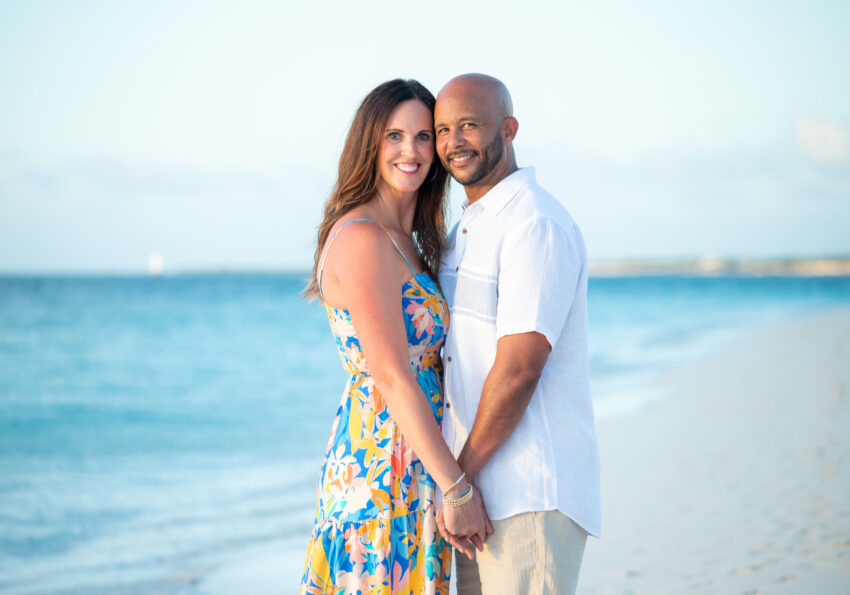
The transition was definitely a big jump, but I saw it as an expansion of my desire to help others. In community service, I focused on supporting individuals and building connections, which actually provided a solid foundation for my work in the real estate industry. When I started, the biggest challenge was learning the technical aspects of real estate, such as market analysis, property valuation and negotiation tactics. It felt like learning a new language. I remember sitting in my office late at night, reading articles, watching tutorials, and calling mentors to understand the nuances.
Another challenge was adapting to the fast-paced nature of the real estate industry. In community service, things moved at a different pace and the stakes were higher emotionally. Real estate is also about relationships, but it’s more about transactions, and that was a change. I learned to balance empathy with business acumen, and over time I realized that my background gave me a unique advantage in building trust with customers. It was about using my previous experiences to develop a more holistic, client-focused approach to real estate.
What do you think separates a great real estate professional from a good one?
In my experience, the difference lies in the ability to truly listen and understand your customers’ needs. A good real estate professional knows the market, has the skills, and can close deals, but a good real estate professional goes beyond that. They strive to understand their customers’ goals, concerns and motivations. It’s about building a relationship based on trust and empathy, and not seeing it as just another transaction.
I always tell my team, “We don’t just sell real estate; We help people build their future.” Whether they’re a first-time home buyer or a seasoned investor, I try to understand the “why” behind their decisions. This approach has helped me build lasting relationships and many of my clients have returned to me for multiple transactions or referred their friends and family. It is this level of trust and connection that takes a professional from good to great.
How do you stay motivated in an industry that is often unpredictable and competitive?
Real estate is certainly an unpredictable business, but I stay motivated by focusing on the impact I can make. Each transaction represents a family finding their dream home or an investor securing their financial future and that is what drives me. When I’m going through a rough patch, I remind myself that I’m not just about the numbers — I’m here to help others succeed.
Another way to stay motivated is to set personal and professional goals. I make it a point to celebrate small successes, whether it’s closing a deal, receiving positive feedback from a customer, or learning a new skill. I also stay involved by mentoring others in the industry, which energizes me and allows me to pass on the knowledge I have acquired over the years.
Can you give an example of a time when a deal didn’t go as planned and how you handled it?
A few years ago there was a real estate deal that initially seemed like a straightforward transaction. The buyer was thrilled and the process went smoothly. But then a week before closing, we discovered a major problem with the property’s title — a hidden lien that had not been disclosed. This put a damper on the entire deal and both buyers and sellers were understandably upset.
Instead of panicking, I took a step back and analyzed the situation. I immediately contacted a trusted attorney and worked closely with everyone involved to find a solution. It took a few extra weeks and many phone calls and meetings, but we were able to resolve the lien and move forward with the sale. This was about staying calm under pressure and not giving up when obstacles arise. This highlights the importance of careful due diligence and continually preparing for the unexpected.
What role does technology play in your everyday real estate life?
Technology is a game-changer in real estate today. I use CRM systems to manage customer relationships, track follow-ups, and streamline communications, which helps me stay organized and responsive. Virtual tours and 3D tours have become essential, especially with the shift to remote interactions. These tools allow clients to experience a property without being physically there, speeding up decision-making and expanding my reach.
Another way I use technology is through data analysis. I analyze market trends, pricing patterns and buyer behavior to provide clients with accurate insights. It’s not about replacing the human factor — it’s about improving the service I offer using technology. Using these tools has allowed me to work more efficiently and stay ahead in a competitive market.
How do you balance your professional life with your personal obligations?
Finding balance is a constant challenge, but I’ve learned that setting clear boundaries is crucial. I consciously plan time for my family, sports and personal hobbies and treat these obligations with the same importance as a business meeting. It’s easy to get caught up in the 24/7 operation of real estate, but I’ve realized that taking time to recharge makes me more effective in the long run.
I also prioritize tasks and delegate them when possible. I have a great team that I can trust to handle all aspects of the business. This allows me to concentrate on what is important, both professionally and personally. It’s about quality, not quantity, and making sure I’m fully engaged at work and present at home with my family.
What advice would you give to someone just starting out in real estate?
Patience is everything in this business. It can be easy to get discouraged in the beginning if deals aren’t coming through or you’re having trouble finding clients. Remember that success doesn’t happen overnight. The most important thing is to stay consistent and keep learning.
Another piece of advice is to build real relationships. Real estate is a people business and the contacts you make are your greatest asset. Take the time to understand your customers’ needs and goals and always approach every interaction with integrity and transparency.
How do you handle stressful situations or high-pressure negotiations?
I have found that the best way to deal with stress is to remain calm and collected. When I’m in a high-pressure negotiation, I focus on listening first rather than reacting. By understanding the other party’s perspective, I can find common ground and create solutions that work for everyone.
I also remind myself that not every deal goes perfectly, and that’s okay. When I maintain a level-headed approach, I can think more clearly and make better decisions, even when things get tense.
How do you integrate your values into your real estate work?
Integrity and honesty are at the heart of everything I do. I believe that transparency with customers, even if it is not the easiest way, is essential to building long-term trust. For example, if I think a property isn’t a good fit for a client, I’ll say so openly, even if it means losing a sale.
I also value giving back to the community. Part of my mission is to use my success in real estate to support local initiatives and help others. Whether it’s mentoring young professionals or volunteering, I try to incorporate these values into my work whenever possible.
What is your vision for the future of the real estate industry and how do you plan to adapt?
I believe that the future of real estate lies in adaptability and acceptance of change. We’ve already seen how technologies like virtual tours and digital marketing have transformed the industry, and I think this trend will continue. But beyond technology, I see a growing focus on sustainability and community-oriented development.
My goal is to stay at the top by continually learning, being open to new ideas, and ensuring my business practices remain flexible and customer-focused. The market will always evolve, but as long as you stay true to your core values and adapt to new trends, there is always a way forward.



Every international structure should reflect real operations and withstand legal, tax and banking review. Obtain coordinated advice in each relevant jurisdiction before acting.
real estate community connections Practical Checklist
real estate community connections requires clear goals and reliable information.
real estate community connections should be assessed against practical needs.
real estate community connections benefits from careful planning and review.
real estate community connections must reflect relevant risks and responsibilities.
real estate community connections works best with measurable actions and accountability.
real estate community connections can support stronger long-term decisions.
real estate community connections should remain proportionate to the intended outcome.
real estate community connections requires accurate records and timely follow-up.
real estate community connections depends on clear communication among stakeholders.
real estate community connections may benefit from qualified professional guidance.