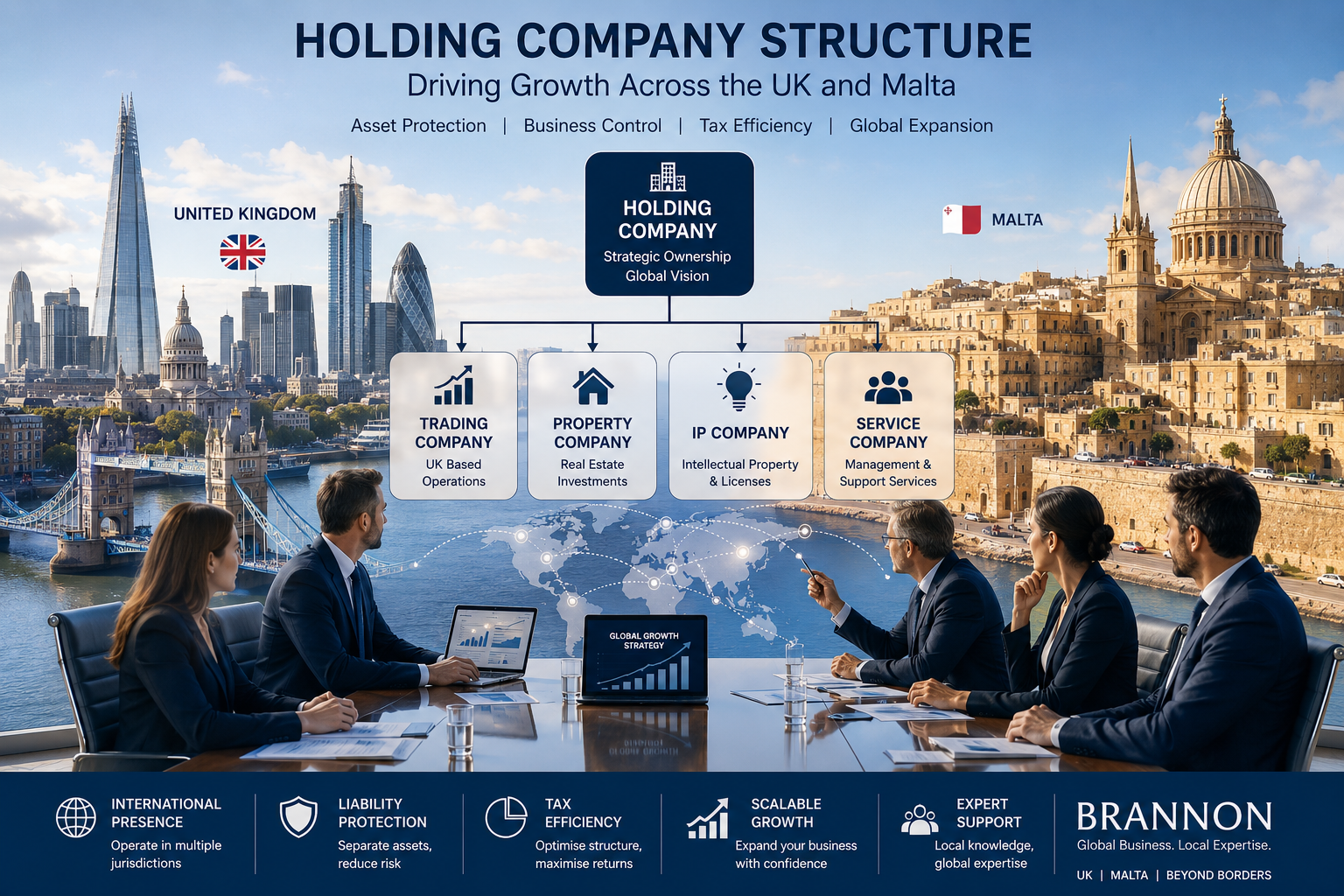
European companies OTC listing European companies OTC listing requires more than a paper structure. International businesses should align ownership, management, tax, banking and commercial purpose before relying on the arrangement.
Fast-tracking the process of European companies gaining access to the U.S. over-the-counter (OTC) market through reverse mergers offers a strategic avenue for expansion and visibility. In this blog post, we investigate into the intricate details of this alternative listing option, shedding light on the potential benefits and considerations for business professionals and investors looking to explore new pathways to growth.
European Companies OTC Listing Explained
Compare the available options in our holding company guide, UK company formation and Ireland company formation resources.
Increased Liquidity

The increased liquidity associated with OTC listings is a significant advantage for European companies seeking to access capital quickly and efficiently. By offering shares to a broader base of investors, companies can enhance trading volume and liquidity, making it easier for shareholders to buy and sell their positions with ease. This improved liquidity can also lead to a higher valuation for the company, as a more active market can attract more institutional investors and drive up share prices.
Greater Visibility
One of the key benefits of OTC listings for European companies is the greater visibility they receive in the financial markets. By trading on established OTC platforms, companies can increase their exposure to a wider range of investors, including retail and institutional traders who are actively seeking investment opportunities. This enhanced visibility can help attract new investors and analysts, ultimately leading to increased market interest and potentially higher stock valuations.
Visibility in the financial markets is crucial for European companies looking to expand their investor base and attract capital for growth and expansion. By achieving an OTC listing, companies can tap into a global network of investors and market participants who are actively seeking investment opportunities in diverse industries and regions. The increased visibility that comes with an OTC listing can also help companies gain recognition and credibility in the financial markets, positioning them as attractive investment options for a broader range of stakeholders.
The Challenges of Traditional IPOs
Lengthy and Costly Process
You may already be aware that traditional IPOs can be a lengthy and costly process. From the initial stages of hiring underwriters, legal teams, and auditors to the extensive due diligence required by regulatory bodies, the timeline for an IPO can stretch into several months or even years. The process of preparing financial statements, drafting prospectuses, and navigating the complexities of securities laws can significantly add to the time and resources needed for a successful IPO.
Regulatory Hurdles
Process
Navigating the regulatory landscape can be one of the biggest challenges of a traditional IPO. Regulatory authorities like the SEC have stringent requirements that companies must meet to go public, including disclosure obligations, reporting standards, and compliance with governance guidelines. Any missteps in this highly regulated environment can result in delays, fines, or even the rejection of an IPO application.
To overcome these regulatory hurdles, companies need to ensure strict adherence to all applicable rules and regulations, hire experienced legal counsel, and allocate sufficient time and resources for compliance efforts. Failure to comply with regulatory requirements can not only delay the IPO process but also damage a company’s reputation and credibility in the eyes of investors and regulators alike.
Reverse Mergers as an Alternative
Definition and Explanation
While traditional Initial Public Offerings (IPOs) have been the conventional route for companies to go public, reverse mergers provide an alternative path for European companies looking to fast-track their way to Over-The-Counter (OTC) listings. In a reverse merger, a private company acquires a controlling interest in a public shell company, allowing the private entity to become publicly traded without the lengthy and complex process associated with a traditional IPO.
Advantages over Traditional IPOs
With reverse mergers, European companies can benefit from a quicker and more cost-effective method of achieving public status compared to traditional IPOs. This approach can bypass many of the regulatory hurdles and extensive disclosure requirements typically associated with the IPO process, saving both time and resources for companies seeking rapid access to the public markets.
Traditional IPOs often involve extensive roadshows, underwriting fees, and a rigorous vetting process by regulatory bodies. In contrast, a reverse merger can offer a more streamlined route to the public markets, allowing European companies to capitalize on market opportunities swiftly and efficiently.
The European Landscape
Regulatory Environment
To navigate the complex landscape of European regulations when considering a reverse merger for an over-the-counter (OTC) listing, companies must align with the rules set by the respective European country’s financial regulatory body. Any company looking to fast-track its listing process through a reverse merger should conduct thorough due diligence to ensure compliance with regulatory requirements and transparency standards.
Market Conditions
With the European market showing promising signs of growth and resilience, there is a ripe opportunity for companies to leverage reverse mergers for OTC listings. Any company eyeing this path should carefully evaluate market conditions, including investor sentiment, industry trends, and economic outlook, to gauge the viability of a reverse merger as a strategic listing option.
Plus, companies should assess the liquidity and trading volumes of OTC markets in Europe to understand the potential market depth and investor interest in their stock post-merger.
Identifying Suitable Targets
Criteria for Selection
Identifying suitable targets for OTC listings via reverse mergers involves thorough research and analysis. Companies with a strong financial track record, solid management team, and promising growth potential are preferred targets. Additionally, assessing the industry trends, market positioning, and regulatory compliance of the target company is crucial to ensure compatibility for a successful reverse merger.
Due Diligence Process
With the criteria in mind, the due diligence process entails a comprehensive investigation into the target company’s financial statements, operational performance, legal history, and potential risks. Conducting interviews with key stakeholders and industry experts can provide valuable insights. It is important to verify the accuracy of information provided by the target and assess any red flags that may impact the merger process.
Understanding the target company’s culture, values, and long-term objectives is equally important. Compatibility in corporate culture and strategic vision between the acquirer and the target can significantly influence the success of the reverse merger and post-merger integration. Building rapport and fostering transparent communication during the due diligence process can facilitate a smoother transition and alignment of goals.
Structuring the Reverse Merger
Deal Terms and Conditions
Not all reverse mergers are created equal. When structuring a reverse merger to fast-track a European company to an OTC listing, it’s crucial to pay close attention to the deal terms and conditions. These details include the valuation of the European company, the percentage of ownership the current shareholders will retain, any earn-out provisions, and the level of control the European company will have post-merger.
Negotiation Strategies
Strategies employed during the negotiation phase of a reverse merger can greatly impact the success and long-term viability of the newly listed company. Negotiation strategies should focus on creating a win-win scenario for both parties involved, ensuring that the European company achieves its listing goals while also providing value to the existing shareholders of the OTC shell company.
Conditions such as the allocation of board seats, voting rights, and post-merger integration plans should be clearly outlined and negotiated to align the interests of all stakeholders and set the stage for a smooth transition and sustainable growth post-merger.
Preparing for the Merger
Financial Statements and Audits
With the goal of fast-tracking European companies to OTC listings through reverse mergers, one crucial aspect to focus on is the preparation of comprehensive financial statements and audits. Investors and regulatory bodies will scrutinize these documents to assess the health and credibility of the company. Ensuring that financial statements are accurately prepared and audits are conducted by reputable firms is vital for a successful merger process.
Legal and Regulatory Compliance
The next critical step in preparing for a reverse merger is to navigate the complex landscape of legal and regulatory compliance. European companies aiming for OTC listings must adhere to the rules and regulations set forth by the relevant authorities. This includes ensuring compliance with securities laws, corporate governance standards, and other regulatory requirements. Seeking legal counsel with expertise in cross-border transactions is advisable to mitigate risks and ensure a smooth merger process.
The legal and regulatory compliance aspect of the merger process is multifaceted and requires careful attention to detail. From conducting due diligence on potential legal issues to structuring the merger agreement to meet regulatory standards, thorough preparation is key to overcoming any obstacles that may arise during the merger process.
The Merger Process
Useful standards and guidance are available from the OECD BEPS programme, the Financial Action Task Force and the European Commission taxation portal.
Transaction Timeline
All successful reverse mergers depend on a detailed transaction timeline. This timeline outlines the crucial steps involved in the merger process, such as due diligence, negotiation of terms, and regulatory filings. The timeline serves as a roadmap for both parties to ensure that the merger progresses smoothly and efficiently.
Key Players and Roles
The key players in a reverse merger include the acquiring company, the target European company, legal advisors, financial advisors, and auditors. Each player has a distinct role in the merger process, with the acquiring company typically taking the lead in driving the transaction forward. Legal advisors ensure that the merger complies with all regulatory requirements, while financial advisors assist in valuing the target company and structuring the deal. Auditors play a critical role in reviewing the financial health of both companies to provide transparency and assurance to investors.
Another vital player in the merger process is the listing sponsor. This entity plays a crucial role in shepherding the European company through the regulatory requirements of the OTC market. The listing sponsor assists in preparing the necessary documentation for the listing application and guides the company in meeting ongoing compliance obligations post-merger.
Post-Merger Integration
Management Team Alignment
For a successful post-merger integration, alignment of the management teams from both entities is crucial. This process involves integrating the leadership styles, goals, and strategies of the two companies to ensure a unified direction moving forward. Clear communication, transparency, and a shared vision are imperative in fostering collaboration and trust among the management teams.
Cultural and Operational Synergies
Team dynamics play a vital role in the success of post-merger integration. Cultural differences between the merging companies can either hinder or facilitate the blending of operations and processes. Understanding and addressing these differences through cultural sensitivity training, team-building exercises, and open dialogue can help create a cohesive and effective working environment.
Synergies in operational processes can lead to increased efficiency and innovation. By identifying overlapping functions and leveraging each company’s strengths, the merged entity can streamline operations, reduce redundancies, and capitalize on opportunities for growth. Operational synergies can also result in cost savings and improved performance, creating value for shareholders and stakeholders alike.
OTC Listing Requirements
Eligibility Criteria
Listing on the Over-the-Counter (OTC) markets is a feasible option for European companies looking to gain access to U.S. investors and capital. To be eligible for an OTC listing, companies must meet certain criteria set forth by the OTC Markets Group. These criteria typically include having a minimum bid price, a minimum number of shareholders, and meeting financial reporting standards.
Filing and Disclosure Obligations
The process of filing and disclosure obligations is a crucial aspect of maintaining an OTC listing. Companies are required to regularly file financial reports and disclosures to provide transparency to investors and ensure compliance with regulatory standards. These obligations not only enhance investor confidence but also demonstrate a company’s commitment to accountability and good governance.
The diligent adherence to filing and disclosure obligations is fundamental for companies seeking to maintain their OTC listing status. Failure to meet these requirements can result in penalties, suspension, or even delisting from the OTC markets, which can have significant repercussions for a company’s reputation and ability to attract investors.
Disclosure
Disclosure of material information is a key component of OTC listing requirements. Companies must promptly and accurately disclose any information that could impact investors’ decisions. Effective disclosure practices foster transparency and trust, ultimately contributing to the long-term success and stability of a company’s OTC listing.
Navigating the OTC Market
Many European companies seeking faster access to the U.S. markets opt for OTC listings via reverse mergers. However, navigating the OTC market can be complex, requiring a strategic approach to trading and settlement procedures.
Trading and Settlement Procedures
An understanding of the trading and settlement procedures in the OTC market is crucial for European companies looking to fast-track their listings. The OTC market operates differently from major stock exchanges, with over-the-counter trading conducted through dealer networks rather than centralized exchanges. Companies must work closely with their advisors to ensure compliance with OTC market regulations and to facilitate seamless trading and settlement processes.
Investor Relations and Communications
To effectively engage with U.S. investors and stakeholders, European companies pursuing OTC listings must establish robust investor relations and communications strategies. Building strong relationships with the investment community through transparent and consistent communications is crucial for gaining market traction and generating investor interest.
The ability to effectively communicate the company’s growth potential, market positioning, and financial performance is key to attracting and retaining investors in the OTC market. European companies should leverage various communication channels, such as press releases, investor presentations, and social media, to convey their value proposition and corporate vision.
Managing Expectations
Once again, it is crucial to manage expectations when fast-tracking European companies to OTC listings via reverse mergers. This process can be complex and may not always yield immediate results. It is important for stakeholders to understand the timeline, potential challenges, and the need for patience to see the desired outcomes.
Shareholder Value Creation
To ensure successful shareholder value creation through the reverse merger process, companies must focus on long-term sustainable growth rather than short-term gains. By setting realistic goals and communicating effectively with investors, European companies can build trust and confidence in their ability to deliver on their promises.
Performance Metrics and Benchmarks
Value creation in the context of reverse mergers can be evaluated through various performance metrics such as revenue growth, market share expansion, and profitability margins. Benchmarking these metrics against industry standards and competitor performance can provide valuable insights into the company’s positioning and areas for improvement.
Another important aspect to consider is the alignment of performance metrics with the company’s strategic objectives. By choosing the right KPIs and regularly monitoring progress, European companies can track their success in creating shareholder value post-reverse merger.
Overcoming Common Obstacles
For wider reporting on international business and finance, readers can also follow Michael Schmitt, Trider and the Malta Business Report.
Integration Challenges
After successfully completing a reverse merger to fast-track a European company to an OTC listing, integration challenges may arise. Overcoming these hurdles involves aligning the different corporate cultures, management styles, and operational processes of the merging entities. Communication is key during this phase to ensure a smooth transition and maintain the company’s growth trajectory.
Regulatory Roadblocks
Overcoming regulatory roadblocks is crucial when navigating the complexities of listing European companies via reverse mergers. Compliance with OTC market regulations, transparency requirements, and financial reporting standards is paramount. Engaging legal and financial advisors with expertise in cross-border transactions can help mitigate regulatory risks and ensure a seamless listing process.
Any missteps in regulatory compliance can result in delays or even the failure of the OTC listing. Thorough due diligence and proactive adherence to regulatory guidelines are important to successfully overcome these roadblocks and achieve the desired listing outcome for European companies.
Challenges
Challenges in fast-tracking European companies to OTC listings via reverse mergers can be multifaceted, requiring a strategic approach and diligent execution. By addressing integration challenges and regulatory roadblocks head-on, companies can navigate the listing process efficiently and unlock the benefits of enhanced market access and liquidity.
To wrap up
Considering all points, the strategy of fast-tracking European companies to OTC listings via reverse mergers presents a unique opportunity for companies seeking alternatives to traditional IPOs for accessing public markets. This method can offer a quicker route to liquidity and increased visibility, crucial for companies looking to attract investors and expand their shareholder base.
While there are risks involved, such as potential dilution of ownership and regulatory considerations, a well-executed reverse merger can be a strategic move for European companies looking to tap into the U.S. capital markets. By carefully weighing the benefits and drawbacks of this approach and seeking expert guidance, companies can navigate the process successfully and potentially reap the rewards of going public through an OTC listing.



Every international structure should reflect real operations and withstand legal, tax and banking review. Obtain coordinated advice in each relevant jurisdiction before acting.