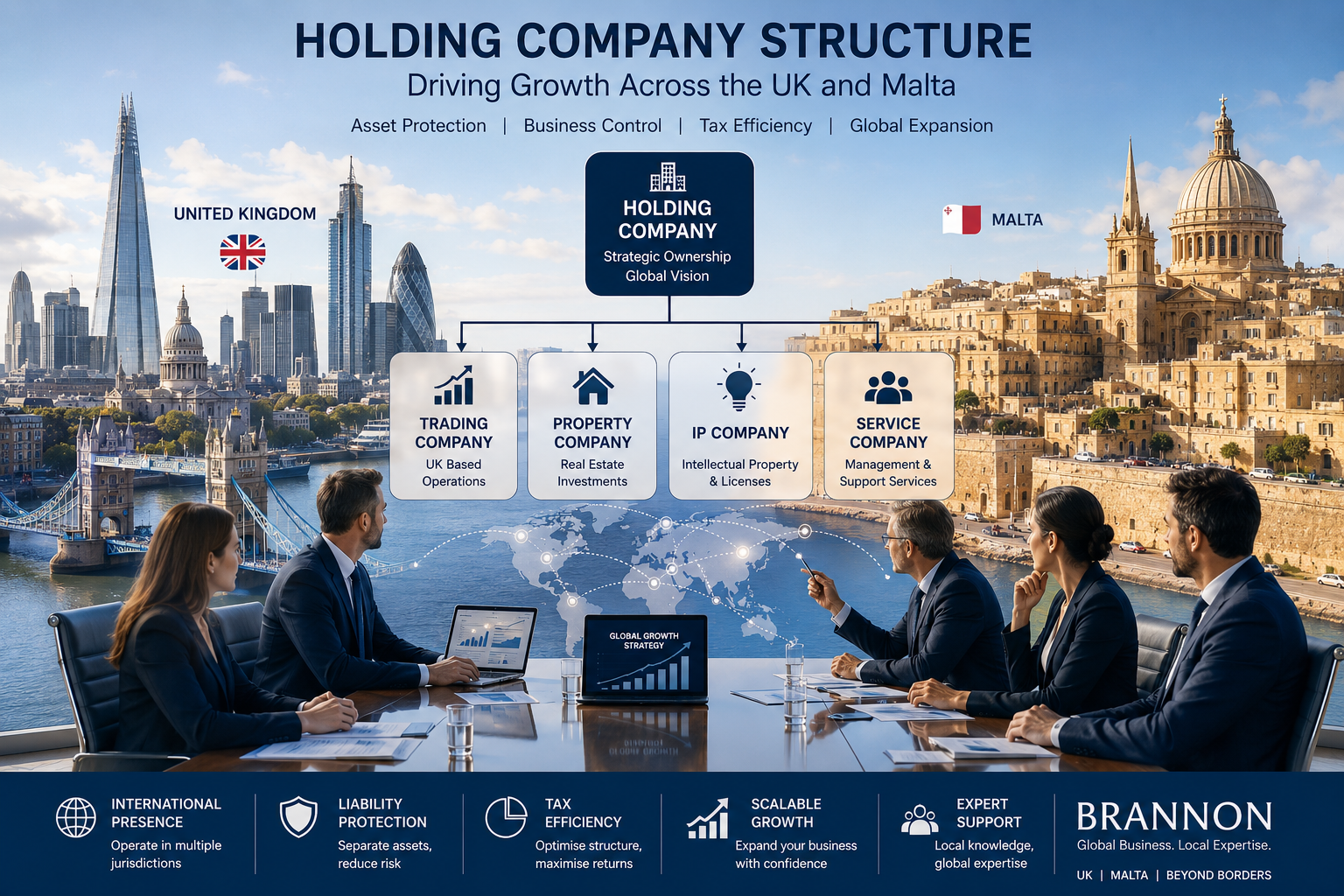
company incorporation costs requires careful planning, accurate information and a clear understanding of the practical risks and responsibilities involved.
company incorporation costs explained
Incorporation is a significant step for any entrepreneur, and understanding the costs associated with different jurisdictions can help you choose the best option for your business. In this blog post, you’ll discover a detailed comparison of incorporation costs in the UK, Ireland, and Wyoming, allowing you to make an informed decision that suits your financial situation and business goals. Whether you’re looking for tax advantages, compliance regulations, or ease of setup, knowing the breakdown of expenses will empower you to optimize your entrepreneurial journey.
Overview of Incorporation
Readers can also follow Michael Schmitt, Trider and the Malta Business Report for wider business coverage.
Authoritative background is available from the OECD, the UK government and the European Commission.
Related resources include our holding company guide, UK company formation and Ireland company formation.
As you consider starting your business, understanding the process of incorporation is vital for future success. Incorporation is the legal process through which a business entity becomes a corporation, allowing it to operate independently from its owners while providing limited liability protections. This process can vary greatly depending on the jurisdiction in which you choose to incorporate.
Definition of Incorporation
For many entrepreneurs, incorporation signifies the creation of a distinct legal entity that can own assets, incur liabilities, and enter contracts. This separation between the business and its owners is necessary for protecting your personal assets from business liabilities.
Importance of Choosing the Right Jurisdiction
An informed choice of jurisdiction can significantly impact your business’s long-term effectiveness and growth potential. The right location can provide various advantages, including favorable tax regimes, legal protections, and ease of compliance.
Even small differences in regulations or taxation can have substantial implications for your operations as you expand your business. When choosing a jurisdiction, consider factors such as the local business environment, legal framework, and potential costs associated with maintaining your corporate status. A well-informed decision ensures you set a solid foundation for your enterprise.
Factors Influencing Incorporation Costs
Costs associated with incorporating your business can vary widely based on several elements, including:
- Legal fees for registration
- Government filing fees
- Ongoing compliance costs
- Tax considerations
- Location of incorporation
Assume that your choice of jurisdiction could easily lead to varying expenses in these areas.
A deeper understanding of these factors will help you navigate potential expenses that arise when incorporating. Here are some additional factors to consider:
- Professional service fees for accountants or consultants
- Costs linked to maintaining good standing
- Intangible costs, such as time spent in compliance
Assume that being aware of these factors will empower you to make informed decisions about your business incorporation.
Incorporation in the United Kingdom
While considering incorporation options, the United Kingdom offers a variety of corporate structures that cater to different business needs.
Types of Corporate Structures in the UK
Before delving into the specifics, it’s important to understand the various corporate structures available to you:
| 1. Sole Trader | Easy setup with minimal regulatory requirements. |
| 2. Limited Company | Separate legal entity with limited liability protection. |
| 3. Limited Liability Partnership (LLP) | Combines elements of partnerships and limited companies. |
| 4. Community Interest Company (CIC) | Designed for social enterprises and not-for-profits. |
| 5. Non-Profit Organizations | Focused on charitable purposes with strict compliance rules. |
The choice you make will depend on your business model and the level of liability protection you seek.
Incorporation Process
Incorporation in the UK involves several steps that you need to follow to ensure compliance with legal requirements.
The process typically begins with choosing a company name and ensuring its availability. Next, you’ll need to prepare imperative documents, such as the Memorandum and Articles of Association, and appoint directors and a company secretary if necessary. Finally, submit the registration application to Companies House along with the required fee, after which you’ll receive your Certificate of Incorporation once approved.
Cost Breakdown
Across the UK, incorporation costs can vary significantly depending on the type of structure you choose.
Plus, you should factor in registration fees, which generally start at around £12 for online applications and may increase if you opt for paper submissions. Additional costs may include legal fees for document preparation, accounting services, and other administrative expenses. Being aware of these various costs will help you budget effectively for your incorporation journey.
Incorporation in Ireland
All businesses considering incorporation in Ireland will find a welcoming environment, characterized by a variety of corporate structures that cater to different needs. Ireland offers several options, including Private Limited Companies (Ltd), Public Limited Companies (PLC), and Designated Activity Companies (DAC), each designed for specific purposes and sizes of businesses, enabling you to choose the one that best fits your operational goals.
Overview of Corporate Structures Available
Along with a choice of structures, Ireland’s incorporation options allow for flexibility in governance and compliance requirements. Whether you aim for a small, locally-focused business or a larger entity with growth ambitions, there’s a suitable format to align with your strategy.
Step-by-Step Incorporation Process
About the incorporation process, it is straightforward, making it easier for you to set up your business without unnecessary delays. Below is a breakdown of the important steps involved in the incorporation process in Ireland:
| 1. Choose a Company Name | Ensure it’s unique and complies with regulations. |
| 2. Prepare Documentation | Gather necessary documentation, including Memorandum and Articles of Association. |
| 3. Register with the Companies Registration Office (CRO) | Submit your application and documents through the CRO website. |
| 4. Obtain Business Licenses | Check for any licenses needed for your specific industry. |
| 5. Open a Business Bank Account | Set up a bank account in the company’s name. |
Also, after the initial setup, you should familiarize yourself with ongoing compliance obligations, such as annual returns and maintaining proper accounting records. Attention to these details will help ensure your business remains in good standing.
Cost Analysis
Activity-wise, incorporating in Ireland may involve various costs that you should consider for budget planning. You will need to account for registration fees, legal services, and compliance obligations, which can impact your financial strategy.
A more detailed cost analysis can provide you with an insight into what to expect financially when incorporating your business in Ireland. Below is a breakdown of typical costs associated with the incorporation process:
| Company Registration Fee | Approx. €100 to €200 |
| Legal Fees | Varies, but typically between €500 to €1,500 |
| Accounting Services | Ongoing fees may range from €100 to €300 monthly |
| Annual Returns Fee | €20 to €40 per year |
Incorporation in Wyoming, USA
Not only is Wyoming known for its beautiful landscapes, but it also offers a highly favorable environment for business incorporation. Many entrepreneurs choose Wyoming due to its pro-business policies, including low taxes and minimal regulatory burdens.
Corporate Structures Available in Wyoming
By incorporating in Wyoming, you have access to several corporate structures, including Limited Liability Companies (LLCs), Corporations, and Partnerships. The LLC is particularly popular due to its flexibility and favorable tax treatment, allowing you to protect your personal assets while enjoying the benefits of a pass-through taxation system.
The Incorporation Process in Wyoming
With a straightforward incorporation process, Wyoming allows you to establish your business with minimal hassle. You can file online through the Secretary of State’s website, and often the entire process can be completed within a day.
Available documentation for incorporation typically includes filing your Articles of Organization for LLCs or Articles of Incorporation for corporations. After submitting these documents alongside the requisite fees, you may also need to obtain an Employer Identification Number (EIN) from the IRS if you plan to hire employees or establish a bank account. The streamlined process is designed to encourage business growth and make your incorporation experience as efficient as possible.
Comprehensive Cost Overview
Against popular belief, the costs associated with incorporating in Wyoming are quite reasonable. The state offers low initial filing fees, along with no corporate income tax, which can significantly reduce your overall business expenses.
Joint filing fees for an LLC often start as low as $100, depending on the structure you select. Additionally, you’ll want to consider annual maintenance fees and any other specific licenses or permits your business may need. When weighed against the potential savings from tax benefits, the cost of incorporating in Wyoming can be very appealing for small business owners.
Comparative Analysis of Incorporation Costs
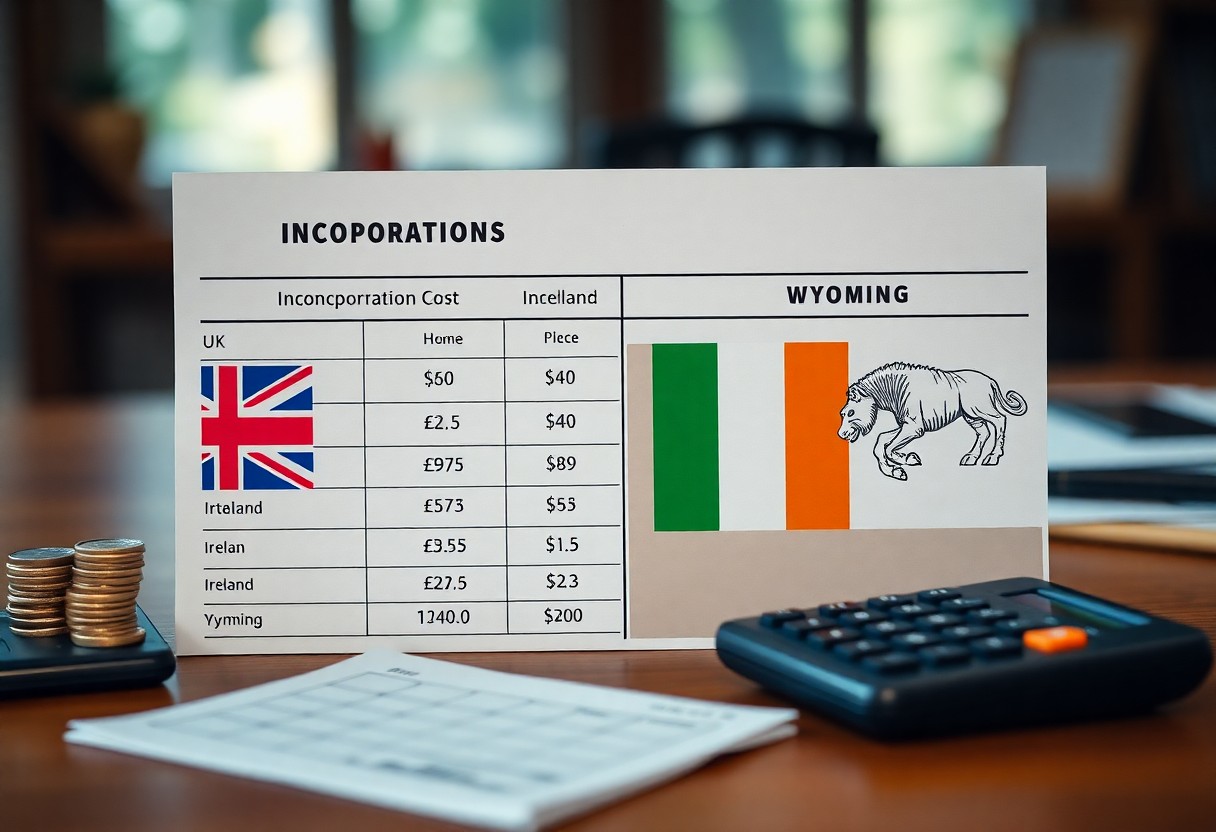
For anyone considering incorporating a business, understanding the varying costs can significantly impact your decision. This comparative analysis explores the incorporation costs associated with the UK, Ireland, and Wyoming, providing valuable insights to guide you towards the best option for your enterprise.
Direct Costs Comparison
| Location | Estimated Costs |
|---|---|
| UK | £12 — £100 |
| Ireland | €300 — €1000 |
| Wyoming | $100 — $300 |
Direct Costs Comparison
Directly comparing incorporation costs reveals that Wyoming generally offers the most affordable option, followed by the UK, with Ireland being the most expensive. While fees may vary depending on the specific services you choose or additional features like registered agents, this table provides a clear initial perspective on costs you may incur during the incorporation process.
Indirect Costs and Considerations
| Consideration | Impact on Costs |
|---|---|
| Ongoing Compliance | Varies by Location |
| Tax Obligations | Can influence overall expenses |
| Legal Fees | May increase total costs |
Indirect Costs and Considerations
For a well-rounded understanding of incorporation costs, consider indirect expenses that can accumulate over time. Factors such as ongoing compliance, tax obligations, and potential legal fees can significantly influence your overall financial commitment to your chosen incorporation location.
Even a low initial incorporation cost can lead to higher indirect costs later on. For instance, if you select a jurisdiction with stringent compliance requirements or higher taxation, your total operational expenses may outweigh the initial savings. It’s imperative to consider these long-term implications when deciding where to incorporate, ensuring you choose the option that aligns with your business goals and financial strategy.
Taxation Considerations for Each Jurisdiction
Keep in mind that the taxation landscape varies significantly across jurisdictions, influencing your incorporation decision.
UK Tax Structure for Corporations
An important aspect of operating a business in the UK is the corporate tax structure, which currently stands at a rate of 25%. Furthermore, small businesses with profits under £250,000 may benefit from a lower rate. It’s also important to factor in VAT and employee National Insurance contributions when evaluating overall tax liabilities.
Irish Corporate Tax Benefits
An appealing feature of operating in Ireland is its low corporate tax rate, which is set at 12.5% for trading income. This rate makes the country particularly attractive for international businesses seeking to maximize profitability.
Indeed, the corporate tax structure in Ireland is designed to encourage foreign investment, providing a stable and favorable environment for businesses. Additionally, you may find various incentives, such as R&D tax credits and allowances for capital investments, which further enhance the financial benefits of incorporating in Ireland.
Wyoming Tax Advantages
Benefits of opting for Wyoming as your incorporation jurisdiction include the absence of corporate income tax and franchise tax, making it a financially attractive option for business owners. This setup allows you to retain more of your earnings and reinvest them into your enterprise.
Consequently, choosing Wyoming can significantly improve your overall taxation scenario. The state also values privacy, featuring minimal reporting requirements and the option for anonymous ownership, which is advantageous for those concerned about confidentiality in business operations. These attributes can streamline your business operations and reduce your tax burden in the long run.
Legal and Regulatory Framework
Your understanding of the legal and regulatory framework is imperative when comparing incorporation costs across the UK, Ireland, and Wyoming. Each jurisdiction presents unique compliance and regulatory obligations that can significantly impact your business operations and costs. Below, we explore these important factors in each location.
Compliance Requirements in the UK
Below are fundamental compliance requirements you must meet when operating a business in the UK. You’ll need to register with Companies House, maintain accurate financial records, and file annual accounts and confirmation statements. Moreover, depending on your business size, VAT registration may also apply to you, adding further obligations to your operation.
Regulatory Obligations in Ireland
The regulatory obligations in Ireland require you to adhere to a series of strict financial and operational practices. You must register your company with the Companies Registration Office and comply with the requirements of the Companies Act. This includes maintaining proper accounting records and filing annual returns.
Reporting your financial status is vital in Ireland, where businesses must submit their annual financial statements to the Companies Registration Office. Additionally, your company must comply with the Revenue Commission regulations concerning tax filings, which incorporate corporate, income, and VAT taxes. Failing to adhere to these regulations may lead to penalties and increased scrutiny from authorities.
Wyoming’s Business Environment
Behind Wyoming’s business environment lies a pro-business regulatory framework that emphasizes minimal restrictions and low taxation. You can enjoy quick and affordable business formation processes, along with an encouraging climate for startups and small enterprises.
Governance in Wyoming is characterized by its flexibility and ease of operation, making it attractive for entrepreneurs like you. The state does not require annual reports for LLCs, and there are no corporate income taxes, enabling you to focus more on growing your business rather than navigating regulatory red tape. This simplified governance structure enhances your company’s potential for success in the long run.
Economic Climate and Business Environment
To assess the incorporation costs effectively, understanding the economic climate and business environment in each jurisdiction is necessary. Different countries offer distinctive advantages and challenges that can significantly impact your decision to incorporate.
The Economic Landscape in the UK
Between varying economic indicators and policy shifts, the UK presents a complex landscape for businesses. While it remains one of the largest economies in Europe, uncertainties surrounding Brexit and regulatory changes can affect your operational strategy and cost structure.
Ireland’s Growing Business Ecosystem
Incorporation in Ireland has gained increased attention due to its favorable business environment, particularly for tech and pharmaceutical sectors. The country’s strategic location within the EU, coupled with low corporate tax rates, positions it as an attractive hub for international enterprises.
Growing your business in Ireland allows you to tap into a vibrant ecosystem that includes access to skilled talent and innovative companies. Suppliers and customers are readily available, enhancing your ability to scale operations. Furthermore, the government supports startups and high-growth companies through various incentives, which can be beneficial for your financial plans.
The Advantages of Incorporating in Wyoming
Trends in Wyoming’s business environment highlight significant advantages, such as low taxation and operational flexibility. With no corporate or personal income tax, Wyoming provides a financially attractive option for your business structure. Additionally, privacy laws enhance your ability to operate discreetly.
To make the most of incorporating in Wyoming, you can leverage its favorable regulations and business-friendly environment. The state promotes entrepreneurship through streamlined filings and quick business registration processes. This can significantly reduce the time and resources required to get your business up and running, allowing you to focus on growth and profitability.
Ease of Doing Business Rankings
Unlike many regions, the Ease of Doing Business Index provides valuable insights into the business climate in various locations. This ranking reflects factors like regulatory environment, taxation, and overall business efficiency, allowing you to make informed decisions about incorporation.
UK Doing Business Index Score
On the UK’s Doing Business Index, the country scores well, benefiting from a robust legal framework and transparent regulations that make it an attractive option for entrepreneurs. However, complexities in the tax system and other regulatory hurdles can affect your experience.
Ireland’s Performance in Global Rankings
Among the countries assessed, Ireland consistently performs admirably in global business rankings, reflecting its favorable corporate tax structure and streamlined regulations. This makes it a popular choice for incorporation among businesses seeking a competitive edge.
Even in post-Brexit conditions, Ireland has maintained its appeal with low corporation tax rates and a strong workforce. This combination is attractive for businesses looking to expand within Europe while enjoying the benefits of a business-friendly environment.
Wyoming’s Position Among US States
Score-wise, Wyoming ranks as one of the top states in the U.S. for ease of doing business, thanks to its low taxes and minimal regulations. This environment is particularly appealing if you’re considering incorporating your business in the United States.
Ease of doing business in Wyoming is amplified by its high level of privacy protections and flexibility in corporate structure. These factors make it a favorable option for business owners who value a streamlined process without excessive bureaucratic hurdles.
Access to Talent and Labor Market
Despite variations in incorporation costs, access to talent and a capable labor market can significantly impact your business’s success. Selecting the right jurisdiction requires consideration of workforce availability and immigration policies that could facilitate hiring skilled professionals.
Workforce Availability in the UK
Talent in the UK is abundant, particularly in sectors such as technology, finance, and creative industries. With numerous universities and vocational programs, you can find a diverse range of skilled professionals ready to support your business growth.
Ireland’s Pro-Business Immigration Policies
The Irish government has implemented immigration policies designed to attract foreign talent, making it easier for you to hire skilled professionals from outside the EU. These policies foster a welcoming business environment, encouraging talent acquisition.
Policies such as the Critical Skills Employment Permit and the Startup Entrepreneur Programme allow you to access a wider labor market, effectively reducing recruitment barriers. This comprehensive approach ensures you can find the right talent to grow your business efficiently and sustainably in Ireland.
Wyoming’s Talent Pool and Skilled Workforce
Before you consider establishing your business in Wyoming, it’s important to note that the state has a growing talent pool, particularly in fields like agriculture, mining, and technology. With a focus on attracting businesses, you’ll find motivated professionals eager to contribute to your mission.
Workforce development initiatives in Wyoming emphasize training and skill enhancement, allowing you to tap into a skilled workforce tailored to your industry needs. Collaborations between educational institutions and employers ensure a steady supply of proficient candidates, enabling your business to thrive in a competitive landscape.
Case Studies
Many entrepreneurs find value in understanding how others have navigated the incorporation process in different regions. Below are a few insightful case studies that illustrate the costs and benefits of incorporation in the UK, Ireland, and Wyoming:
- UK Case Study: A tech startup in London had initial incorporation costs of approximately £120, with ongoing annual fees of about £13 for filing confirmation statements. After two years, they achieved a revenue of £250,000, demonstrating the viability of starting a business in the UK.
- Irish Case Study: A Dublin-based e‑commerce business incurred incorporation costs of around €100, with an annual fee of €50 for the Companies Registration Office. Within three years, they reached annual sales of €300,000, showcasing Ireland’s favorable business climate.
- Wyoming Case Study: An LLC formed in Wyoming faced initial costs of approximately $100 for registration and $50 for an annual report. In just 18 months, the venture generated $150,000 in revenue, highlighting Wyoming’s business-friendly environment.
Successful UK Incorporations
On assessing the UK’s incorporation landscape, numerous startups have successfully established themselves and subsequently expanded. The London tech ecosystem particularly stands out, benefiting from access to capital, mentorship, and extensive networking opportunities.
Irish Startups that Thrived
Along the routes of incorporation in Ireland, many startups have made significant strides, with Dublin emerging as a top choice for tech entrepreneurs. The country’s robust support for startups has led to several innovative companies flourishing in recent years.
In fact, many Irish startups in fintech and biotechnology have attracted considerable venture capital, propelling their growth on an international scale. With the backing of supportive government policies and access to skilled talent, businesses are finding it easier to thrive in this dynamic environment.
Wyoming-Based Companies: A Success Story
On the other side of the Atlantic, Wyoming has proven itself to be an attractive option for incorporation, particularly for those focusing on asset protection and privacy. Many businesses have successfully capitalized on the low incorporation costs and favorable laws.
Thrived by a culture that promotes entrepreneurship, Wyoming-based companies have drawn attention for their ability to scale rapidly while benefiting from limited tax burdens. This environment has encouraged a diverse range of industries, including tech and renewable energy, to establish themselves in the state.
Considerations for International Entrepreneurs
Once again, navigating the landscape of international entrepreneurship involves a multitude of factors that can significantly impact your business operations. Understanding the implications of incorporation costs in the UK, Ireland, and Wyoming means you must also consider your long-term goals, funding sources, and market access. The choices you make now will influence your business trajectory as you expand globally.
Understanding International Law Implications
Below the surface of incorporation costs lies a complex web of international laws and regulations that affect your business operations. It’s necessary to familiarize yourself with trade agreements, tax treaties, and compliance requirements that pertain to each jurisdiction. This understanding will help you avoid legal issues and administrative burdens down the road.
Cross-border Operations Challenges
Between different countries come varying regulations, tax systems, and cultural considerations that can complicate cross-border operations. Your ability to navigate these challenges will directly impact your business’s success in international markets.
Considerations surrounding cross-border operations include the complexities of supply chain management and customer support. You may face logistical hurdles, such as customs clearance and shipping delays, which can influence your overall service delivery. Additionally, being aware of regional market trends and customer preferences can help you tailor your offerings and enhance customer satisfaction, making your operations more effective.
Strategies for Global Expansion
Below are several strategies that can help you streamline your global expansion efforts. Establishing a robust network of partners, localizing your marketing campaigns, and investing in market research are effective ways to gain a competitive edge in international markets.
Indeed, a well-thought-out approach to global expansion can significantly enhance your chances of success. Focus on building relationships with local businesses and stakeholders to better understand the market landscape. Additionally, consider leveraging digital marketing strategies to reach wider audiences and adapting your product offerings to meet local demands. The stronger your strategy, the more likely you are to thrive on the international stage.
Future Trends in Incorporation
To stay competitive, you must be mindful of the evolving landscape of incorporation. Understanding future trends will help you make informed decisions about where and how to establish your business.
Digital Transformation and Online Incorporation
Trends indicate that digital transformation is streamlining the incorporation process. With online platforms and electronic filing becoming the norm, you can complete your business registration from the comfort of your home, significantly reducing time and costs.
The Rise of Remote Working and Its Impact
Trends show that the rise of remote working is changing the way businesses operate. This shift invites new incorporation strategies, as you may choose to establish your business in a jurisdiction that offers more flexibility and advantages for remote teams.
At the same time, remote working necessitates a re-evaluation of traditional business structures. As you and your team adapt to virtual collaboration, choosing an incorporation option that caters to flexibility, ease of management, and the ability to hire talent from anywhere in the world will become increasingly important.
Evolving Regulatory Frameworks Across Jurisdictions
Working within a dynamic global market, you need to be aware of the evolving regulatory frameworks. Different jurisdictions are constantly updating their laws regarding incorporation, which may present both opportunities and challenges for your business.
Due to these changes, you should stay informed about regulatory shifts that could affect your incorporation decisions. Frequent updates may lead to more favorable conditions or, conversely, increase compliance requirements. Understanding these frameworks across jurisdictions will empower you to make strategic choices that align with your business goals.
To wrap up
On the whole, choosing between incorporation options in the UK, Ireland, and Wyoming requires careful consideration of costs and implications for your business. Each location offers unique advantages, from varying tax rates to regulatory environments. You should assess your specific business needs, financial situation, and long-term goals to make the best decision for your incorporation. By understanding the differences in costs, you can strategically plan for your company’s future and ensure you are taking the most beneficial route for your operations.
FAQ
Q: What are the main factors to consider when comparing incorporation costs between the UK, Ireland, and Wyoming?
A: When comparing incorporation costs among these regions, consider the following factors: initial registration fees, ongoing compliance costs (such as annual return fees and accounting services), taxation and jurisdictional advantages, the complexity of business regulations, and any additional costs for maintaining a registered office or legal representation. Each region has unique benefits that can impact the overall costs of incorporation.
Q: How do the incorporation fees differ between the UK and Ireland?
A: In the UK, the standard fee for online incorporation is approximately £12, whereas in Ireland, the cost for incorporating a company can range from €100 to €300, depending on the method used. Additionally, Ireland may have costs associated with preparing the necessary documentation, such as statutory declarations, which may not be as common in the UK. It’s important to compare not only initial fees but also the long-term costs associated with compliance and maintenance in both jurisdictions.
Q: Are there any hidden costs associated with incorporating in Wyoming?
A: While Wyoming is known for its low incorporation fees and business-friendly environment, businesses should be aware of potential hidden costs. These may include registered agent fees, which can range from $100 to $300 annually, as well as state compliance fees for annual reports and business licenses. Additionally, if you need professional assistance for legal or tax advisory services, those costs can add up. It’s advisable to carefully review all potential expenses before making a decision.
Q: What are the tax implications of incorporating in the UK, Ireland, and Wyoming?
A: Each location has its own tax structure. The UK has a corporation tax rate of 19% (as of 2023), while Ireland’s rate is notably lower at 12.5% for trading income, making it an attractive option for many businesses. Wyoming does not impose corporate income tax or franchise tax, which can be beneficial for companies intending to minimize tax liabilities. However, consider local sales taxes and any other applicable taxes that may affect the overall tax burden in each location.
Q: Which jurisdiction is best for a startup considering incorporation?
A: The choice of jurisdiction for a startup depends on various factors, including the business model, target market, and growth plans. If a startup intends to operate primarily within Europe, Ireland may be advantageous due to its favorable tax regime, access to the EU market, and supportive startup ecosystem. For those focusing on a more global approach or seeking asset protection, Wyoming could be ideal due to its favorable regulatory environment and lack of state corporate income tax. The UK remains a popular choice for startups due to its strong infrastructure and access to talent but has higher taxes and compliance costs. Careful consideration of the business’s goals and circumstances is crucial in making the best choice.