

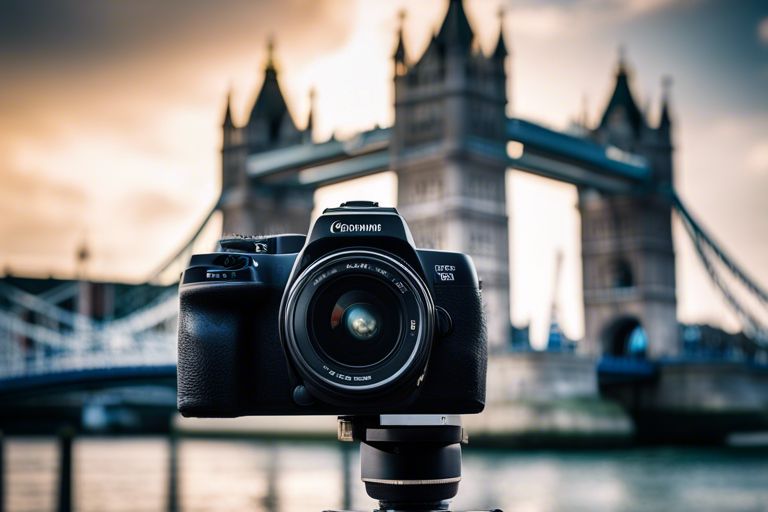
UK photography business requires careful planning, accurate information and a clear understanding of the practical risks and responsibilities involved.
UK photography business explained
It’s time to turn your passion for photography into a thriving business, and with the right insights, you can navigate the unique challenges that come with it. This guide offers you practical tips, tailored specifically for aspiring photographers in the UK. From understanding the legalities to marketing your services effectively, we’ll equip you with the knowledge needed to make your venture a success. Whether you’re shooting weddings, portraits, or landscapes, your journey begins here—let’s explore how to transform your creative flair into a profitable venture.
Laying the Foundation
Readers can also follow Michael Schmitt, Trider and the Malta Business Report for wider business coverage.
Authoritative background is available from the OECD, the UK government and the European Commission.
Related resources include our holding company guide, UK company formation and Ireland company formation.
Before exploring into the world of photography, it’s crucial to establish a strong foundation for your business. This involves understanding your unique position within this vibrant industry, identifying your strengths, and crafting a strategy that resonates with your target audience. The initial steps you take can set the tone for your business’s future, ensuring you thrive amidst competition and change.
Identifying Your Niche
Any successful photography business starts with understanding who you want to serve and what type of photography you are passionate about. The niche you choose can dictate not only the type of work you do but also the clients you attract. Whether it’s wedding photography, portraiture, commercial work, or wildlife photography, honing in on a niche allows you to position yourself as an expert in that field, making it easier to market your services and connect with potential clients.
As you explore different avenues, consider what excites you most about photography and where you see the greatest demand. Research your local market, analyze your competition, and think about the unique experiences you can offer that will set you apart. Your niche is not just a category; it’s an opportunity to define your artistic voice and connect with clients who appreciate your style.
Defining Your Unique Selling Proposition (USP)
To differentiate yourself in the competitive landscape, you need to define a Unique Selling Proposition (USP) that encapsulates what makes you, as a photographer, stand out. This is where you articulate your value to clients and clarify why they should choose you over others. Your USP should reflect not only your technical skills and creative vision but also your approach to service and how you make the experience enjoyable for your clients.
Your USP could stem from a specific aesthetic, exceptional post-production skills, bespoke packages, or an emphasis on customer experience. By understanding what sets you apart, you can tailor your marketing strategy to highlight these attributes, drawing in clients who resonate with your unique perspective. Ultimately, a well-defined USP not only attracts customers but also builds loyalty, as clients are more likely to return when they feel connected to your brand.
Building Your Brand
Even the most talented photographers can struggle to make their mark in a competitive market if they fail to build a strong brand. Your brand is not just your logo or business name; it embodies your values, the emotions you want to evoke, and the unique experience you offer your clients. Establishing a memorable and authentic brand is a vital first step on the journey to building a successful photography business. When done right, your brand will resonate with your ideal clients, drawing them in and making them eager to collaborate with you.
Creating a Strong Online Presence
One of the most crucial aspects of building your brand is creating a strong online presence. In today’s digital age, your website is often the first point of contact potential clients will have with your work. It’s crucial to ensure your website showcases your photography style effectively, with a clean layout that allows your images to shine. Optimize it for mobile viewing, as many users will find you through their smartphones. Additionally, leverage social media platforms that align with your target audience to showcase your work, engage with followers, and share behind-the-scenes glimpses of your creative process.
Developing a Consistent Visual Identity
Presence is the next key element in brand building. Whether it’s your website, social media profiles, or printed materials, maintaining a consistent visual identity is paramount. This includes a cohesive color palette, typography, and logo that reflects your style and aligns with your photography niche. By developing a visual identity that is unmistakably yours, you reinforce recognition and reliability amongst your audience, ensuring that they associate your work with the quality and aesthetic you promise to deliver.
Brand consistency extends beyond mere visuals; it also encompasses the tone of your messaging and the stories you tell through your photography. Ensure that your online content, from blog posts to Instagram captions, aligns with your brand voice and identity, thereby creating a unified experience for your audience.
Crafting a Compelling Business Name
Your name is often the first impression clients have of your business, so it’s crucial to craft a name that is both compelling and memorable. A great business name captures the essence of your brand while being easy to remember and spell. Think about what you want your photography business to represent and explore names that reflect that vision. It can also be helpful to incorporate personal elements that speak to your journey, making the name uniquely yours.
Be mindful of, the business name should resonate with your target market while standing out amongst competitors. Consider testing your potential names with friends or colleagues in the industry to garner feedback, ensuring that it conveys the message you intend.
Compelling names evoke curiosity and engagement, which is vital in the crowded photography landscape. Strive for originality, and aim to create a strong emotional connection with your audience from the outset. Your name will be your brand’s beacon, guiding potential clients to you and making their decision to work with you an easy one.
Setting Up Shop
Many aspiring photographers find the transition from hobbyist to entrepreneur both exciting and daunting. As you step into the world of entrepreneurship, it’s vital to establish a solid foundation for your photography business. This chapter will guide you through vital steps like registering your business, obtaining necessary licenses and insurance, and investing in equipment and software.
Registering Your Business in the UK
An vital first step in your photography venture is to register your business in the UK. Depending on your business structure, you may need to choose between being a sole trader, forming a partnership, or setting up a limited company. Each option has its pros and cons, not just in terms of taxation but also regarding legal responsibility and the image you project to potential clients. For sole traders and partnerships, registering as self-employed is straightforward, while a limited company entails additional administrative responsibilities.
Once you’ve chosen your business type, make sure to register for tax purposes. You’ll need to inform HM Revenue and Customs (HMRC) within three months of starting your business. Properly registering your business allows you to handle tax obligations with ease and build credibility in the eyes of your clients.
Obtaining Necessary Licenses and Insurance
With your business registered, the next step is to look into any necessary licenses and the vital insurance policies you’ll need to protect yourself and your business. For many photographers, a general photography license is sufficient, but if you are considering niche areas—such as drone photography or commercial work—you may need additional permissions or licenses to comply with regulation.
Insurance is another critical component to consider. You will want to secure public liability insurance to protect yourself against claims of personal injury or property damage, as well as professional indemnity insurance to guard against negligence claims from clients. These policies are an investment in your peace of mind, allowing you to focus on your art rather than worrying about potential mishaps.
Business insurance not only protects your livelihood, but it also provides a layer of professionalism that becomes invaluable. Clients often feel more secure knowing you are covered by appropriate insurances. This can be a significant selling point when you are competing in a crowded marketplace.
Investing in Essential Equipment and Software
Licenses and insurance in hand, your next move is to ensure you have the vital equipment and software needed to deliver high-quality photographic services. Start by evaluating what kind of photography you will focus on—whether it’s portraits, events, or commercial work—and invest in the respective gear. High-quality cameras, lighting equipment, and accessories like tripods make a significant difference in your output and client satisfaction. Don’t forget about editing software; programs like Adobe Creative Suite are staples in the industry that can elevate your post-production work.
Keep in mind, your initial investments will set the tone for your business quality, so prioritize this spending thoughtfully. Invest wisely in equipment that aligns with your photography niche and client expectations to ensure that your offerings remain competitive in the market.
Insurance for your equipment is also a crucial consideration. Protecting your gear against theft or accidental damage is vital, particularly if your livelihood depends on it. Some insurance companies offer policies specifically tailored for photographers, which can save you from overwhelming costs should something unexpected happen.
Marketing and Promotion
Once again, as you launch on your journey to establish a photography business in the UK, marketing and promotion play pivotal roles in your success. You can craft a unique essence for your brand that resonates with your target audience. Here are some tips to help illuminate your path toward effective marketing strategies.
Building a Website and Portfolio
To attract potential clients and showcase your work, a well-designed website is indispensable. This digital space serves as your virtual business card and portfolio, so ensure it reflects your style and professionalism. Provide a seamless user experience, including easy navigation, a clear call-to-action, and a collection of your best work. Do not forget, first impressions matter, and your website is often the first point of contact for prospective clients.
Your portfolio should highlight your unique strengths and specialties as a photographer. Select images that tell a story and convey the depth of your artistic vision. Organising your portfolio by theme, such as weddings, portraits, or events, allows potential clients to quickly find examples that align with their needs. Consider integrating a blog as well, featuring behind-the-scenes insights or photography tips, which can further engage your audience.
Leveraging Social Media for Visibility
Promotion via social media is crucial for gaining visibility in today’s digital marketplace. By utilising platforms like Instagram, Facebook, and Pinterest, you can share your work and connect with your audience. Regular posting of high-quality images, engaging captions, and strategic hashtags can foster a vibrant online presence. Additionally, consider running targeted ads to reach your ideal customers and promote specific photography services.
Visibility on social media also involves interaction with your followers. Responding to comments and messages, hosting Q&A sessions, or creating polls can build a sense of community that keeps your audience engaged. Explore collaborations with influencers or local businesses to expand your reach, as recommendations can yield new clients and elevate your profile.
Networking and Collaborating with Other Professionals
To grow your photography business, networking with other professionals in the industry can provide valuable connections and opportunities. Attend local events or workshops related to photography, and don’t hesitate to introduce yourself to others in the field. Collaborating with fellow creatives, be they makeup artists, stylists, or event planners, can also enhance your portfolio and lead to new projects. Do not forget, relationships are key in fostering a supportive community that encourages mutual growth.
Understanding the dynamics of collaboration can be transformative for your business. Each partner brings unique skills and perspectives, enriching the final product. By working together, you can tap into each other’s networks, expanding your reach and opening doors to clients you may not have accessed on your own. Emphasising a supportive approach rather than a competitive one will strengthen your professional relationships and help you thrive in a crowded market.
Pricing and Financial Planning
For a photography business, understanding how to price your services effectively is crucial for your success. Developing a well-thought-out pricing strategy requires not only an understanding of the market but also a keen awareness of your costs and the value you bring to your clients. You might be tempted to undercut your competition, but remember, lower prices often signal lower quality in the eyes of potential clients. Instead, assess what your unique style and service offerings are truly worth, keeping in mind factors such as your experience, shooting style, post-production work, and any additional services you provide. Establishing a pricing structure that resonates with your target audience while ensuring profitability is necessary to sustaining your business in the long run.
Determining Your Pricing Strategy
Determining your pricing strategy can feel overwhelming at first, but with some research and consideration, it becomes manageable. Start by analyzing competitors in your niche and geographic area. This will give you insights into standard rates, but don’t forget to factor in your level of experience and specialization. Additionally, you can explore pricing models such as hourly rates for sessions, package deals, or bespoke pricing based on client requirements. Recall, you’re in control of your prices, and setting them at a level that reflects the quality and effort you put into your work will make clients appreciate the professionalism you bring.
Moreover, consider offering a range of pricing tiers to attract different segments of the market. From high-end bespoke packages to entry-level offerings, providing options can help widen your audience. Balancing accessibility with perceived value will empower you to stand out while ensuring that you’re making a fair return on your artistic investment.
Managing Finances and Taxes as a UK Entrepreneur
Taxes can be a daunting aspect of running your photography business, but understanding your responsibilities is fundamental to financial health. As a self-employed photographer in the UK, you will need to register with HM Revenue and Customs (HMRC) and file a Self Assessment tax return each year. It’s important to keep meticulous records of all your income and business expenses to accurately report them and potentially reduce your tax bill. Familiarize yourself with allowable expenses, such as equipment purchases, travel costs, and marketing expenses, as these can significantly impact your profitability when calculated correctly.
Managing your finances involves not just compliance with taxes but also effective cash flow management. Consider setting aside a portion of your income specifically for taxes throughout the year, which can alleviate the stress when payment is due. Hiring an accountant or financial adviser can also be a wise investment; they can offer guidance tailored to your unique situation, ensuring that you stay ahead of your financial obligations while optimizing your earnings.
Budgeting for Equipment and Expenses
Budgeting is one of the most critical aspects of establishing your photography business. As you start out, it’s necessary to create a detailed budget that encompasses all your anticipated expenses, from equipment purchases to ongoing operational costs. Prices for photography gear can range dramatically, so identify what equipment you absolutely need to deliver the quality your clients expect, while being mindful of your budget. Clear projections of your spending will help you avoid financial pitfalls and make informed decisions about investing in upgrades as your business grows.
With careful budgeting, you can also allocate funds for marketing, insurance, and software necessary for your workflow. Consider creating a rainy-day fund for unexpected expenses that might crop up, whether it’s a required repair on your equipment or an unplanned marketing initiative. Recall, a well-managed budget lays the foundation for both your creativity and your financial health, allowing you to focus on what you love: capturing moments through your lens.
Delivering Exceptional Service
Unlike many industries, photography is built on personal connections and emotional experiences. Whether you’re capturing a family’s milestones or a couple’s special day, your ability to deliver exceptional service could significantly enhance your reputation and increase your clientele. Understanding the importance of building rapport and trust with your clients will form the backbone of your business, ensuring that they not only return but also refer you to others. This process begins long before the camera clicks, laying the groundwork for a memorable and impactful relationship.
Developing a Client Onboarding Process
To effectively ensure that every interaction with your clients is seamless and satisfying, developing a robust client onboarding process is vital. This should start as soon as a prospective client expresses interest in your services. From sending welcome emails that outline what they can expect to having initial consultations that clarify their requirements and preferences, every touchpoint matters. By providing your clients with clarity and direction right from the start, you set the stage for a positive experience that fosters trust and confidence in your skill as a photographer.
To further refine your onboarding process, consider collecting feedback at each stage. This could involve post-consultation surveys or informal chats to check in on their experience thus far. By valuing their input, you not only improve your services but also create a sense of partnership that enhances your relationship. Bear in mind, an exceptional onboarding process ultimately serves to differentiate you from other photographers in the market.
Providing Outstanding Customer Service
Service excellence is not just a goal; it should be ingrained in everything you do. Whether you are responding to queries, delivering images, or addressing any issues that arise, consistently exceeding your clients’ expectations will set you apart from the competition. You can achieve this by being prompt, polite, and professional at all times. Furthermore, make sure to personalize your service; small gestures, such as remembering a client’s name or their specific photography preferences, go a long way in making them feel valued and appreciated.
Process your client interactions with care, ensuring that you remain attentive and approachable throughout the journey. Regularly check in with your clients, from the initial inquiry to post-session follow-ups. This not only reassures them that they are valued but also opens doors for meaningful conversations about their photography needs and potential referrals. Knowing you genuinely care about their satisfaction will lead to a stronger bond and encourage them to speak highly of you to others.
Building a Referral Network
Process-driven networking can be a game-changer for your photography business. Begin by identifying professionals in related fields—wedding planners, event coordinators, and local businesses—that may complement your services. Establishing connections with these individuals can create a mutually beneficial referral network. Building genuine relationships is key; always strive to offer value to your network rather than focusing solely on what you can gain. When you recommend their services in return, it amplifies the strength of your collaborative efforts.
Additionally, engage your existing clients and encourage them to share their experiences with your work. Word-of-mouth referrals are incredibly powerful in the photography industry, and satisfied clients are your best ambassadors. Process these referrals thoughtfully, ensuring you provide the same level of exceptional service to new clients as you do with those who have come through your existing referrals. Bear in mind, a strong referral network can exponentially expand your reach and reinforce your reputation as a go-to photographer in your community.
Outstanding service does not happen by accident; it requires intention, dedication, and continuous effort. By focusing on building an impressive onboarding process, demonstrating exceptional customer service, and forging strong networks, you’re not just creating photographs—you’re building a legacy that will resonate with clients for years to come.
Conclusion
From above, it’s clear that initiateing on your photography business journey in the UK is both an exhilarating and challenging proposition. By meticulously defining your niche, mastering the art of competition analysis, and establishing a robust online presence, you pave the way for a sustainable and thriving enterprise. Your success hinges not only on your technical skills but also on your ability to connect with clients and understand their unique needs. Keep in mind, it’s about weaving a narrative that resonates, whether you’re capturing moments during a wedding or framing a product for a local brand.
As you take the leap, embrace the learning process with an open mind. Each click of your camera and each interaction with your clients can enrich your understanding of the craft and market dynamics. Stay agile, continually refine your techniques, and be ready to pivot as trends evolve. With passion, dedication, and the right strategies in place, your photography business can transform not just your career but also the way people perceive and appreciate the beauty that surrounds them. Now, go create, inspire, and carve your niche in the world of photography.

