

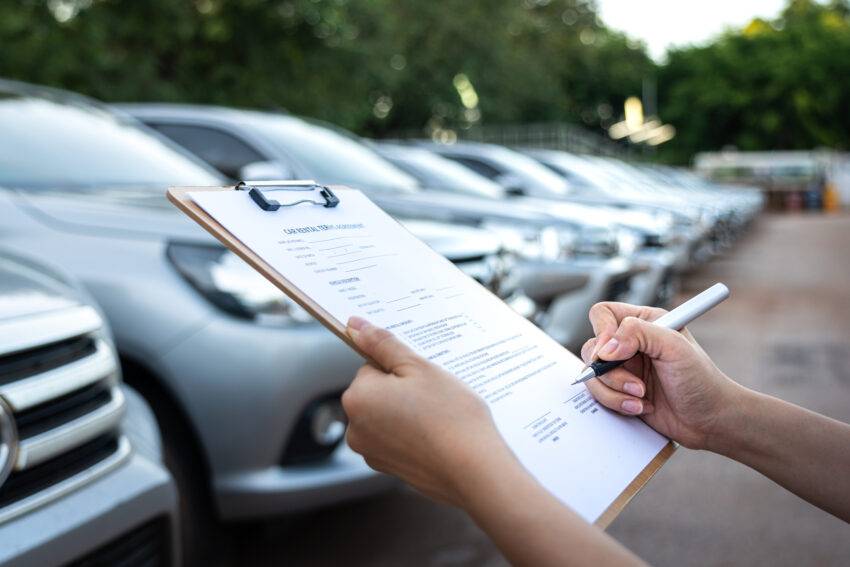
fleet cost management requires careful planning, accurate information and a clear understanding of the practical risks and responsibilities involved.
fleet cost management explained
Operating a fleet of vehicles is an essential part of operations for many companies, particularly in the logistics, construction and delivery industries.
Readers can also follow Michael Schmitt, Trider and the Malta Business Report.
Authoritative background is available from the OECD, the UK government and the European Commission.
Related resources include our holding company guide, UK company formation and Ireland company formation.
However, fleet management can easily become a financial burden if not handled efficiently. Poor planning, rising fuel costs and vehicle breakdowns can quickly turn a necessary asset into a money pit. For business owners, fleet managers and truck drivers in the UK, the key to avoiding excessive costs is to take proactive measures to control costs and improve operational efficiency. This article explores various strategies that companies can use to prevent their fleets from unnecessarily draining resources.
For a related practical framework, see our UK company formation guide. Readers can also compare the wider business perspective at Malta Business Report and consult GOV.UK company guidance; the right approach depends on the facts and jurisdiction.
Emphasize preventative maintenance
One of the main reasons fleets become expensive to operate is vehicle breakdowns and unplanned repairs. Regular, preventative maintenance is critical to keeping a fleet running smoothly and preventing minor problems from escalating into major repairs. Simple tasks like checking tire pressure, inspecting brake systems, and ensuring adequate oil levels can significantly extend the life of vehicles.
For UK fleet operators, sticking to regular maintenance schedules can also help them stay compliant with safety regulations. Companies that fail to maintain their vehicles not only risk higher repair costs, but also fines and vehicle downtime, all of which can be costly. By investing in preventative maintenance, companies reduce the likelihood of unexpected breakdowns and keep their vehicles on the road generating revenue rather than sitting idle in the workshop.
Fuel Efficiency: Controlling one of the largest cost centers
Fuel is often one of the largest costs associated with managing a fleet. With fuel prices fluctuating, particularly in the UK where taxes on fuel are high, ensuring fuel efficiency should be a top priority for fleet managers. There are several ways to reduce fuel consumption, starting with encouraging fuel-efficient driving habits among drivers.
Teaching your drivers to avoid excessive idling, speeding, and hard acceleration can result in immediate fuel savings. Additionally, investing in fuel-efficient vehicles or upgrading to electric or hybrid alternatives can result in long-term savings, especially as fuel prices continue to rise. For larger fleets, implementing route optimization software ensures that vehicles do not travel unnecessary miles, further reducing fuel consumption.
The role of fuel cards
An effective tool for managing and controlling fuel costs is the use of fuel cards. Fuel cards provide businesses with a way to simplify and monitor fuel purchases across their fleet. Instead of drivers having to pay for fuel with cash or personal cards, a fuel card system allows fleet managers to set spending limits, track transactions, and access detailed fuel usage reports.
In the UK, fuel cards can be used at a wide network of petrol stations, providing convenience for drivers while allowing businesses greater control over fuel costs. Some fuel card providers even offer fixed rates or discounts, which can protect businesses from sudden price spikes and result in significant cost savings. Additionally, data collected through fuel card transactions can help fleet managers identify inefficient driving habits or excessive fuel consumption to make targeted improvements.
Telematics: Using data for smarter fleet management
Telematics technology has become an invaluable asset in managing fleets efficiently and eliminating financial waste. Companies such as radius have revolutionized the industry by tracking vehicle locations, driver behavior and fuel consumption in real time. Telematics systems like this allow companies to collect actionable data that can help reduce costs.
For example, by monitoring driving patterns such as hard braking or excessive speed, fleet managers can provide feedback to drivers and encourage safer and more fuel-efficient driving. Telematics can also highlight areas where routes could be optimized or where vehicles may be underutilized, allowing companies to streamline their operations and maximize fleet efficiency.
Additionally, telematics systems provide detailed reports on vehicle performance that can help identify early warning signs of mechanical problems. By responding to this data in a timely manner, companies can make repairs before they become major, costly problems, thereby avoiding unnecessary expenses.
Reducing vehicle downtime
Vehicle downtime can be one of the biggest financial burdens on a company. Whether due to repairs, maintenance or accidents, every day a vehicle is off the road means lost sales and potentially higher costs when replacement vehicles are needed. Minimizing downtime requires a combination of good planning and the use of technology.
First, a solid maintenance plan ensures vehicles are serviced and repaired before they unexpectedly fail. In the event of an accident or breakdown, companies should have a contingency plan in place, such as agreements with rental companies or partnerships with repair shops that offer quick turnaround times.
Additionally, telematics can be used to monitor vehicle health in real time, allowing fleet managers to proactively address issues. To further reduce the likelihood of costly failures, predictive maintenance technology can also be implemented, using data to predict when a vehicle is likely to require attention.
Check insurance policies regularly
Insurance is another major cost of running a fleet, and many companies may be paying more than necessary for their insurance coverage. It is important to review fleet insurance policies regularly and ensure coverage meets the current needs of the business. Some insurers offer telematics-based insurance that adjusts premiums based on driver behavior, potentially offering significant savings for fleets with a good safety record.
Companies can also explore group policies for larger fleets or negotiate with insurers to get better rates depending on the size of their operation and their focus on safety and maintenance. Ultimately, controlling insurance costs is another way to ensure a fleet doesn’t become a financial burden.
Promote driver responsibility
Drivers play an important role in keeping fleet costs low. Promoting responsibility and good driving habits not only improves safety, but also reduces fuel consumption and vehicle wear and tear. Companies can encourage drivers to take care of their vehicles and drive efficiently by introducing reward systems or bonuses for those who demonstrate safe driving practices and help reduce operating costs.
Training and regular feedback, supported by telematics data, also help improve driver performance and encourage them to take cost-saving measures, which in turn benefits the entire company.
Diploma
Preventing a fleet from becoming a money pit requires a proactive, multi-pronged approach. Through preventative maintenance, fuel management, telematics and driver accountability, companies can control costs, improve efficiency and ensure their fleet remains an asset rather than a liability. For fleet operators in the UK, using tools such as fuel cards, optimizing routes and regularly reviewing insurance policies can result in additional savings and help keep expenses under control and operations running smoothly. With careful planning and the right strategies, companies can avoid the pitfalls of fleet management and ensure their vehicles generate revenue instead of draining resources.

