consumer confidence planning requires careful planning, accurate information and a clear understanding of the practical risks and responsibilities involved.
consumer confidence planning explained
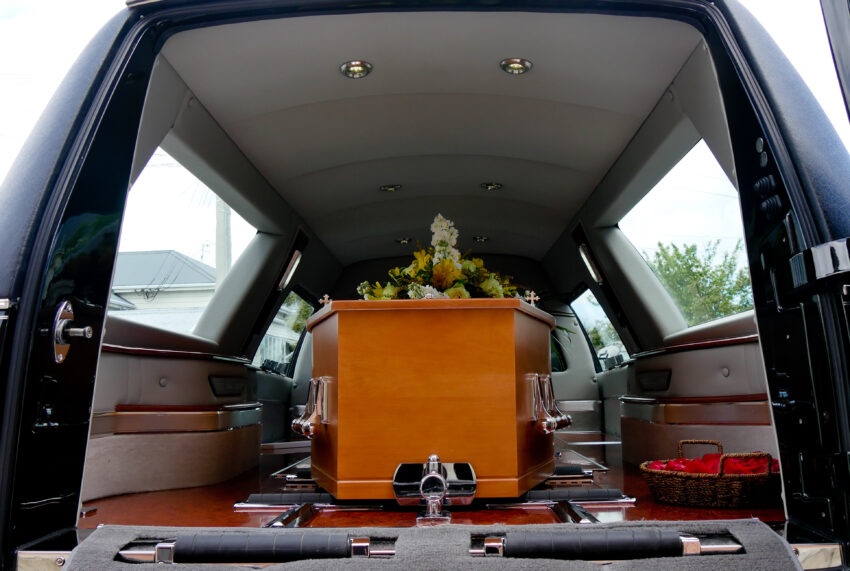
The funeral industry plays a critical role in supporting families through difficult times, providing services to help with both immediate and long-term funeral planning needs.
Readers can also follow Michael Schmitt, Trider and the Malta Business Report.
Authoritative background is available from the OECD, the UK government and the European Commission.
Related resources include our holding company guide, UK company formation and Ireland company formation.
Over the years, funeral homes have expanded their offerings, introducing pre-planning services, customizable packages and options designed to increase consumer confidence. As individuals become more proactive when it comes to making end-of-life decisions, funeral planning services have emerged as a major business model in the industry.
For a related practical framework, see our UK company formation guide. Readers can also compare the wider business perspective at Malta Business Report and consult GOV.UK company guidance; the right approach depends on the facts and jurisdiction.
In this blog, we explore the funeral planning industry, focusing on pre-planning services, funeral packages, and how to build consumer trust through transparency and compassionate care.
The growing demand for pre-planning services
Pre-planning funerals is becoming increasingly popular as people want to relieve their loved ones of the emotional and financial burden associated with planning a funeral at the time of death. Pre-planning a funeral allows individuals to make decisions about their funeral arrangements in advance, determining everything from the type of service to burial or cremation preferences. This process not only ensures that personal wishes are respected, but also sets current prices, helping to avoid future inflation.
Benefits of pre-planning a funeral
Pre-planning a funeral offers several benefits for both consumers and funeral directors:
- Financial Planning: By prepaying for a funeral, individuals can avoid price increases and stay within current rates. This ensures that families do not have to bear any financial burden when the time comes.
- Reduced Stress for Loved Ones: Planning a funeral can be emotionally overwhelming. Having a pre-determined plan relieves families of important decisions during a difficult time.
- Ensures personal wishes are respected: Pre-planning allows individuals to determine their preferences for their funeral, ensuring that their religious, cultural or personal wishes are taken into account.
For funeral homes, offering pre-planning services is not only a way to provide value to their customers, but also a way to secure future business. Additionally, pre-planning services provide funeral homes with stability by giving them a clearer picture of future demand. Not-for-profit funeral director in Melbourne play a unique role in the funeral industry by providing services that emphasize affordability and community care. These funeral homes often operate with a mission to serve their communities by providing services at lower costs and providing financial assistance to families in need.
Tailored Funeral Packages: Meeting Different Consumer Needs
Planning a funeral is no longer a one-size-fits-all service. Consumers today expect customizable packages that reflect their preferences, values and budget. For this reason, many funeral homes now offer flexible packages tailored to a variety of personal and financial situations.
Types of Funeral Packages
- Traditional Funeral Packages: These packages include all the traditional elements of a funeral service, such as: E.g., embalming, viewing or viewing, a formal ceremony, and burial or cremation. Traditional packages may also include extras such as floral arrangements, limousines and memorial programs.
- Cremation packages: cremation is becoming increasingly popular for people looking for a cheaper or more environmentally conscious choice. Funeral homes are now offering special cremation packages that include options for funeral services, urns and scattering ceremonies.
- Eco-Friendly or Eco-Friendly Funeral Packages: Some funeral homes are responding to consumer interest in sustainability by offering eco-friendly funeral packages. These packages can include biodegradable coffins, natural burials, and eco-friendly memorial practices.
- Prepaid Funeral Packages: Prepaid funeral packages allow individuals to prepay for their future funeral services. This package often includes essential services such as transportation, body preparation, and coordination of the funeral or memorial service to ensure the financial burden on the family is alleviated.
Funeral homes often tailor their packages to meet the needs of different populations, offering flexible and customizable options. Whether individuals want a simple cremation or a large, traditional ceremony, packages provide families with clarity about the services they can expect, as well as transparent pricing for each option.
Building consumer trust in the funeral industry
Trust is critical in the funeral industry as consumers rely on funeral homes to handle their loved ones’ final arrangements with care, dignity and respect. For companies in this space, building and maintaining consumer trust is critical to success.
Transparency in prices and services
One of the most important ways for funeral homes to build trust is through transparent pricing. In the past, consumers have expressed concerns about hidden fees or unclear pricing structures, causing stress during an already difficult time. To address these issues, funeral homes must clearly outline the costs associated with each service and ensure customers understand exactly what they are paying for.
Many funeral homes have introduced detailed pricing models that break down individual services, e.g. B. the costs for the coffin, embalming, viewing or transport. Providing this transparency not only helps consumers make informed decisions, but also strengthens trust between the funeral home and the family.
Compassionate care and personalized services
Providing compassionate care is another important part of building trust with customers. Funeral homes don’t just have to meet logistical requirements plan a funeral but also provide emotional support to grieving families. Personalized services that reflect the life and personality of the deceased can help families feel like their loved one is being honored in a meaningful way.
Funeral directors play a key role in fostering this relationship. For example, a funeral director may work closely with families to ensure their financial and emotional needs are met by offering flexible payment plans or personalized services at an affordable cost. Nonprofit funeral homes put people before profits and focus on providing quality services that prioritize the well-being of the family over making a profit.
Community engagement and support
Funeral planning services are an essential part of the funeral business, providing individuals and families with the opportunity to make important end-of-life decisions. With growing demand for pre-planning, customizable funeral packages and price transparency, funeral homes must continue to adapt to meet consumer expectations.
Building trust through clear communication, compassionate care and community engagement is the key to long-term success in the funeral business. Whether for-profit or nonprofit, funeral homes have a responsibility to provide both meaningful and respectful services, ensuring that each family can honor their loved ones in a way that reflects their values.