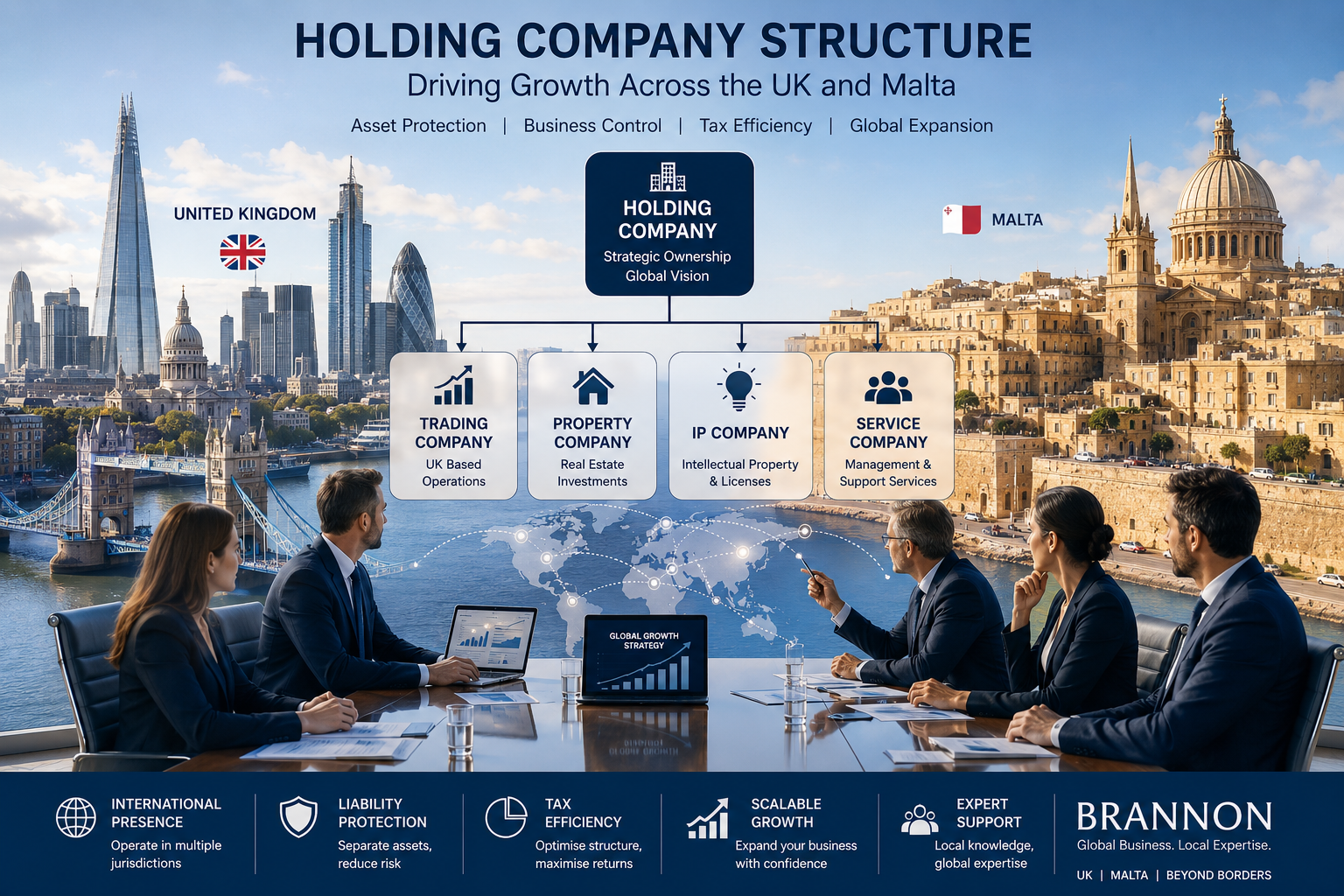
post-merger organisational change requires careful planning, accurate information and a clear understanding of the practical risks and responsibilities involved.
post-merger organisational change explained
Culture plays a crucial role in the success of organizational changes post-merger. Adapting to a new environment can be challenging, but with the right strategies in place, you can navigate this transition smoothly. In this guide, we will walk you through the steps to successfully implement and manage organizational changes following a merger. By following these practical tips, you can foster a positive work environment and ensure a successful integration of teams and processes.
Understanding the Need for Change
Readers can also follow Michael Schmitt, Trider and the Malta Business Report.
Authoritative background is available from the OECD, the UK government and the European Commission.
Related resources include our holding company guide, UK company formation and Ireland company formation.
Identifying Key Factors Driving the Merger
The first step in implementing organizational changes post-merger is understanding the driving forces behind the merger. This could include strategic goals, market expansion, cost efficiencies, or acquisition of new technologies. By identifying these key factors, you can better align the post-merger changes with the overarching goals of the organization.
- Identify strategic goals driving the merger.
- Evaluate potential market expansion opportunities.
- Assess the cost efficiencies that can be achieved.
The clarity gained from understanding these factors will guide you in making informed decisions throughout the change implementation process.
Assessing the Current Organizational Structure
If you want the organizational changes post-merger to be successful, you must evaluate the current organizational structure of both merging entities. This assessment should include an analysis of hierarchies, reporting relationships, communication channels, and decision-making processes. Understanding how the current structures operate will help you identify areas where changes are necessary to achieve the desired post-merger state.
Current organizational charts, job descriptions, and processes should be reviewed to gain a comprehensive understanding of the existing structures.
Determining the Desired Post-Merger State
Understanding the desired state post-merger is crucial for effective change implementation. This involves envisioning what the combined organization should look like, including its structure, culture, and operational processes. By defining this end goal, you can create a roadmap for the transition and ensure that all changes made are in alignment with the envisioned future state.
Plus, conducting stakeholder interviews and surveys can provide valuable insights into the expectations and concerns of employees and other key stakeholders regarding the post-merger state.
Developing a Change Management Strategy
Establishing Clear Goals and Objectives
Any successful change management strategy begins with setting clear goals and objectives. Objectives should be specific, measurable, achievable, relevant, and time-bound (SMART). By clearly defining what you want to achieve through the organizational changes post-merger, you provide a roadmap for the entire process.
Identifying Key Stakeholders and Their Roles
Change management involves multiple stakeholders who will be affected by the organizational changes. It is crucial to identify these key stakeholders and understand their roles in the change process. By recognizing who the influencers, supporters, resistors, and advocates are, you can tailor your change management strategy to address their needs and concerns.
To effectively engage stakeholders, you need to communicate with them regularly, provide opportunities for feedback, and involve them in decision-making processes. This inclusive approach can help mitigate resistance to change and build a more supportive environment for the merger transition.
Creating a Communication Plan
You should develop a communication plan that outlines how you will keep stakeholders informed throughout the merger process. Your plan should include the key messages you want to communicate, the channels you will use to deliver these messages, and the frequency of communications. By keeping stakeholders informed and engaged, you can foster transparency and trust during a period of uncertainty.
Defining Metrics for Success
While setting goals and objectives is important, measuring the success of your change management efforts is equally important. Define metrics for success that align with your goals, such as employee satisfaction ratings, productivity levels, or financial performance. These metrics will help you track the progress of the organizational changes post-merger and make informed adjustments to your strategy as needed.
Building a Strong Change Management Team
Identifying Essential Team Members and Their Roles
After a merger, one of the first steps in implementing organizational changes is to establish a strong change management team. Clearly identifying necessary team members and their roles is crucial for the success of the transition. You need to appoint individuals who have a good understanding of both pre-merger cultures and can effectively communicate the vision for the new organization. This team should include representatives from various departments to ensure a holistic approach to change management.
Tips for Effective Team Leadership
Team leadership plays a crucial role in driving successful organizational changes post-merger. To ensure effective leadership within your change management team, you should provide clear direction, support, and motivation. This can help keep team members focused on the end goals and navigate through any challenges that may arise. Communication is key when leading a change management team. This involves not only sharing information but also actively listening to your team members’ concerns and feedback.
- Set clear goals and expectations for the team.
- Delegate tasks based on individual strengths and expertise.
- Encourage open communication and collaboration within the team.
This cohesive and collaborative approach will help the change management team stay aligned and work towards a common goal. This can ultimately lead to a smoother transition and successful organizational integration.
Strategies for Building Trust and Collaboration
While leading a change management team, building trust and fostering collaboration among team members is crucial for success. Their ability to work together cohesively can significantly impact the outcomes of the organizational changes post-merger. Foster an environment where team members feel safe to express their opinions, share ideas, and provide feedback. By encouraging open communication and collaboration, you can create a supportive team dynamic that drives positive results.
Effective team building activities and regular check-ins can also help nurture trust and collaboration within the change management team. This can create a sense of camaraderie and shared responsibility, strengthening the team’s ability to navigate through the complexities of organizational change.
Communicating Change to Stakeholders
Crafting a Compelling Message
There’s no doubt that when it comes to communicating change, crafting a compelling message is key. Your message should be clear, concise, and inspiring. It should outline the reasons behind the change, the benefits it will bring, and the role stakeholders will play in the process. Make sure your message addresses any potential concerns or uncertainties that stakeholders may have.
Choosing the Right Communication Channels
Stakeholders can vary greatly in terms of their preferences for receiving information. Some may prefer face-to-face meetings, while others may respond better to emails or official announcements. When choosing communication channels, consider the diversity of your stakeholders and tailor your approach accordingly. This will ensure that your message reaches everyone effectively.
Choosing the right communication channels is crucial to the success of your change management efforts. By selecting channels that resonate with your stakeholders, you can increase engagement and support for the changes being implemented. Whether it’s through town hall meetings, newsletters, or intranet updates, the key is to ensure that information is delivered in a way that is accessible and engaging for all involved.
Addressing Resistance to Change
Communicating openly and honestly about the potential for resistance to change is necessary. You may encounter stakeholders who are hesitant or even opposed to the changes being made. By acknowledging and addressing their concerns, you can help alleviate fears and build trust. Encourage dialogue and feedback to create a space where concerns can be openly discussed and addressed.
Communicating with empathy and understanding is key when addressing resistance to change. It’s important to listen to the concerns of stakeholders and offer support as they navigate through the transition. By demonstrating that you are responsive to feedback and willing to work through challenges together, you can help stakeholders feel more comfortable and confident about the changes ahead.
Fostering Open Feedback and Dialogue
With any organizational change, fostering open feedback and dialogue is critical. Communication should be a two-way street, where stakeholders are encouraged to share their thoughts, concerns, and ideas. Create opportunities for feedback through surveys, focus groups, or designated feedback sessions. This will not only help you address issues as they arise but also make stakeholders feel heard and valued.
Communication plays a vital role in fostering open feedback and dialogue. By actively listening to stakeholders and incorporating their feedback into decision-making processes, you can increase buy-in and collaboration. Remember that communication is not just about transmitting information but also about creating a culture of transparency and trust within the organization.
Managing Cultural Integration
Understanding the Importance of Cultural Alignment
Many organizational changes post-merger fail due to cultural misalignment. Company cultures are deeply ingrained and can significantly impact the success of a merger. It is crucial to recognize that merging two distinct cultures is a complex process that requires careful navigation.
Identifying Potential Cultural Barriers
Little attention is often given to understanding the cultural differences between organizations during a merger. These differences can lead to conflicts, communication breakdowns, and decreased employee morale. Identifying potential cultural barriers early on can help mitigate challenges and facilitate a smoother integration process.
With a thorough cultural assessment, you can pinpoint specific areas where misalignment may occur, such as communication styles, decision-making processes, and leadership approaches. This proactive approach allows you to address potential conflicts before they escalate and develop strategies to bridge cultural gaps.
Strategies for Building a Unified Culture
Managing cultural integration requires implementing strategies that foster unity and collaboration among employees from both merging entities. One effective approach is to establish common core values and a shared vision that align with the new organizational goals. Encouraging open dialogue and participation from all levels of the organization can help create a sense of inclusivity and ownership in the post-merger culture.
Cultural
For instance, fostering cross-functional teams and providing opportunities for employees to work together on projects can promote collaboration and understanding across different cultural backgrounds. By encouraging interaction and cooperation, you can help employees appreciate diverse perspectives and collectively work towards shared objectives.
Tips for Managing Cultural Differences
When managing cultural differences post-merger, it’s crucial to approach the integration process with sensitivity and respect for diverse viewpoints. Here are some tips to help you navigate cultural challenges:
- Listen actively to employees’ concerns and feedback to show that their perspectives are valued.
- Provide cultural sensitivity training to increase awareness and promote mutual understanding among team members.
This proactive approach can help prevent misunderstandings and conflicts, fostering a more harmonious and productive work environment.
Clearly
Tips play a vital role in successful cultural integration post-merger. By implementing these strategies and being mindful of the cultural differences within your organization, you can effectively manage the challenges that arise during the integration process. This proactive approach can lead to a unified and strengthened organizational culture, driving long-term success.
Implementing Operational Changes
Assessing Current Processes and Systems
Once again, before implementing any operational changes post-merger, you need to assess your current processes and systems thoroughly. Take a close look at how things are currently running within your organization.
Identifying Areas for Improvement
On the journey to implement operational changes, the next step is identifying areas within your processes and systems that can be improved. This could include streamlining workflows, eliminating duplication of efforts, or integrating new technologies.
It is crucial to involve key stakeholders from both merging entities in this process to gain a comprehensive understanding of areas that need attention and improvement.
Developing a Phased Implementation Plan
To successfully implement operational changes, you need to develop a phased implementation plan. This involves breaking down the changes into smaller, manageable steps that can be implemented gradually over time.
Managing Risk and Minimizing Disruption
Changes in operations can bring about risks and potential disruptions to your organization. It is crucial to have strategies in place to manage these risks effectively and minimize any disruptions to your day-to-day operations.
Current processes and systems need to be carefully evaluated and modified to ensure a smooth transition post-merger. By following these steps and implementing operational changes thoughtfully, you can navigate through the challenges and emerge with a more efficient and integrated organization.
Conclusion
Now that you have learned about how to implement organizational changes post-merger, you are equipped with the knowledge and strategies to navigate this complex process successfully. Remember the importance of communication throughout the entire process, involving employees at all levels and keeping them informed about changes and updates. Additionally, focusing on culture integration, employee engagement, and leadership alignment will help create a seamless transition and a stronger, more cohesive organization in the end.
By following the steps outlined in this guide, you can effectively manage the challenges that come with merging two organizations and ensure a smooth transition. Remember to remain flexible and open to feedback, as every merger is unique and may require adjustments along the way. With careful planning, clear communication, and a focus on building a united culture, you can successfully implement organizational changes post-merger and set your new organization up for long-term success.