Why should British remote workers swap the bustling city of London for the tech-tropical appeal of Kuala Lumpur?
We dug deep and found seven irresistible reasons why this Asian paradise is the ultimate home away from home.
Are you ready to find out why?
Let’s dive in!
Premium real estate options
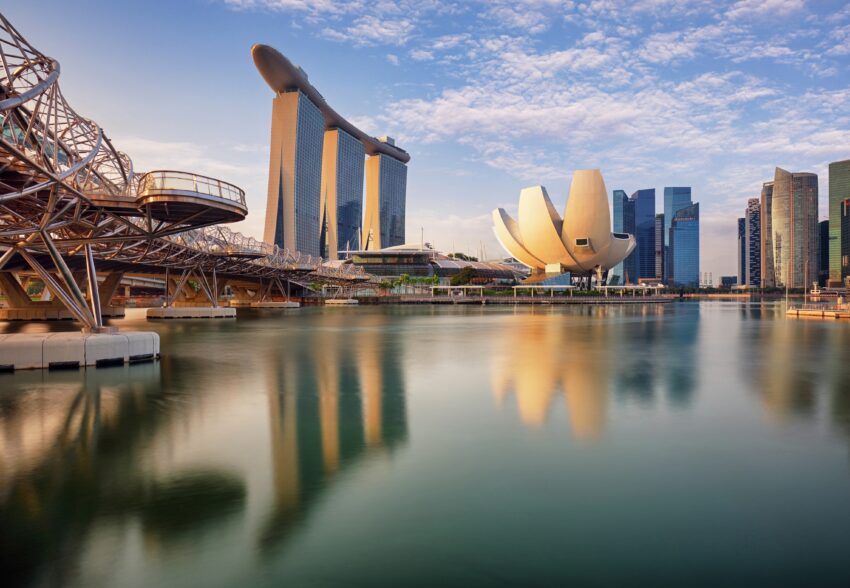
If you’re one of the few who are hesitant about moving, you’ve probably never heard of Singapore’s premier housing and real estate market.
Thanks to a landmass of 723 square kilometers (281 sq mi)In contrast to the mass developments that are common in Europe, the city-state increasingly focused on high-quality housing.
Their real estate market offers high-quality housing options tailored to expatriates, including the Emerald of Katong, which offers luxurious amenities and a strategic location.
World-class connectivity
Singapore has world-class infrastructure with high-speed internet and a reliable transport system.
Changi Airport, one of the best in the world, offers seamless connections to major cities around the world, facilitating both business and leisure travel.
This ensures that remote workers can easily stay connected to their teams and clients, making Singapore a highly convenient location for remote work.
Robust political and economic environment
Singapore’s economy is one of the most dynamic and resilient in the world.
This becomes clear when you consider how Multimillion dollar company like Dyson are abandoning their British roots for Singaporean pastures.
As a nation, it is not only considered a global financial center, but also offers remote workers a safe political and economic environment full of opportunities.
High standard of living
Singapore consistently occupies a top spot Global Quality of Life Surveys.
It offers a clean, safe and green environment with excellent food, health and education systems.
The city’s efficient public transportation, world-class amenities, and a wealth of recreational opportunities provide a comfortable and enriching lifestyle for remote workers and their families.
Sustainable living
Singapore is a world leader in sustainable development with numerous green initiatives and green buildings.
The “Emerald of Katong” show apartment demonstrates the city’s commitment to sustainability, evident in its green spaces and support for renewable energy.
If you prioritize environmental responsibility, Singapore offers a lifestyle that aligns with your sustainable values.
Cultural diversity
Singapore is a multicultural city with a rich diversity of ethnicities and traditions.
Since English is one of the official languages, it makes it easier for British expatriates to adapt and integrate.
The city’s cultural diversity is reflected in its food, festivals and daily life, ensuring a vibrant and inclusive environment.
Dynamic labor market
Singapore’s job market is diverse, with strong sectors in finance, technology, healthcare and more.
This creates numerous opportunities for remote workers to connect, collaborate, and advance their careers.
The city’s strategic location in Asia also opens doors to regional markets and improves career prospects.
Ideal places for British remote workers in Singapore
Here is a list of places that will undoubtedly take your breath away:
Katong area
Katong is known for its Peranakan culture, which is reflected in the region’s architecture and cuisine.
This offers a unique cultural experience for remote workers who want to leave their desk every now and then.
The Katong Emerald is an up-and-coming location that combines the region’s cultural heritage with modern living.
Located in the vibrant Katong area, residents will have access to Singapore’s cultural wealth and lifestyle in unprecedented ways.
Tiong Bahru
Tiong Bahru combines old world charm with modern conveniences.
It is known for its Art Deco architecture, trendy cafes and boutiques, and offers a vibrant community feel.
There are also several co-working spaces in the area, making it an excellent choice for remote workers looking for a balance between work and play.
Robertson Quay
Located along the Singapore River, Robertson Quay is a lively area with an abundance of dining and entertainment options.
It features a relaxed atmosphere, making it ideal for remote workers looking for a picturesque and quiet environment.
The area’s connectivity and proximity to the Central Business District (CBD) are additional advantages.
East Coast
The East Coast is known for its beautiful coastline and recreational activities.
Compared to the city center, it offers a more relaxed lifestyle with easy access to East Coast Park, where remote workers can relax with cycling, jogging or beach activities.
The area also has a good mix of housing options, from condos to single-family homes.
Holland Village
Holland Village is popular with expats due to its vibrant nightlife, diverse dining options and proximity to the city center.
It’s a great place for remote workers who enjoy a lively social environment.
The area also has several co-working spaces and is well connected to public transport.
Sentosa Bay
For those who prefer a luxurious lifestyle, Sentosa Cove offers waterfront living with an array of high-quality amenities.
This exclusive residential area offers a quiet environment away from the hustle and bustle of the city.
It is ideal for teleworkers who value comfort and luxury.
Comparing living and working in Singapore and London for remote workers
Feed costs
London:
Groceries:
On a monthly basis, the cost of food for a single person in London is between £150 and £300.
Rice types can vary depending on dietary preferences and shopping habits.
To eat out:
A meal at a budget restaurant costs around £15, while a three-course meal at a mid-range restaurant can cost around £60 to £80.
Singapore:
Groceries:
The monthly cost of groceries for a single person in Singapore is around SGD200 to SGD400 (around £115 to £230).
As in London, this varies depending on dietary habits and shopping preferences.
To eat out:
Meals in budget restaurants typically cost around SGD 10 (around £5.75), while three-course meals for two in mid-range restaurants can cost around SGD 60–80 (around £35–45).
Rent
London:
The London property market is well documented, with central areas such as Westminster and Kensington being particularly expensive.
Rent for a one-bedroom apartment easily exceeds £2,000 per month.
Singapore:
Singapore is also known for its high cost of living, particularly when it comes to housing.
Rental costs for the same one-bedroom apartment in the city center are typically between SGD2,500 and SGD4,500 (around £1,400 to £2,500).
Cultural experience
London:
London offers a wealth of cultural experiences with its museums, theaters and historical attractions.
The city’s diverse culinary and social scene reflects its multicultural population.
Singapore:
Singapore rivals London in terms of cultural diversity, with influences from Chinese, Malay, Indian and Western traditions.
The city offers unique cultural experiences, from bustling hawker centers to fine dining restaurants.
Work-life balance
London:
Most Londoners face long commutes, which makes it difficult to explore the city, despite the city’s parks and cultural sites.
Singapore:
Singapore offers shorter commutes and easy access to green spaces.
Properties like the Emerald of Katong emphasize the city’s health-focused architecture, ensuring work and play blend together.
Infrastructure and connectivity
London:
London has a robust infrastructure and reliable internet connection, which is crucial for remote work.
The city offers numerous co-working spaces such as WeWork and The Office Group.
Singapore:
Singapore is highly valued due to its digital and physical infrastructure, making it ideal for remote work.
The city-state has excellent internet quality and cybersecurity, with co-working spaces such as The Hive and WeWork offering world-class facilities.
climate
London:
London’s weather is known for its unpredictability, with long, gray winters and short, sometimes wet summers.
Singapore:
The climate in Singapore is tropical with warm weather all year round, although it is also humid and it rains frequently.
Safety and quality of life
London:
London is generally safe, but there are areas with higher crime rates. The quality of life varies depending on the neighborhood and financial resources.
Singapore:
Singapore is known for both safety and cleanliness and offers a high quality of life.
The city-state’s strict laws and efficient law enforcement contribute to its low crime rate. Singapore also occupies a leading position in healthcare and education.
Diploma
Singapore offers a unique combination of economic opportunities, high quality of life and a supportive environment for expatriates.
By moving to Singapore, anyone, including digital nomads, can enjoy a dynamic and rewarding lifestyle while benefiting from a change in environment.