

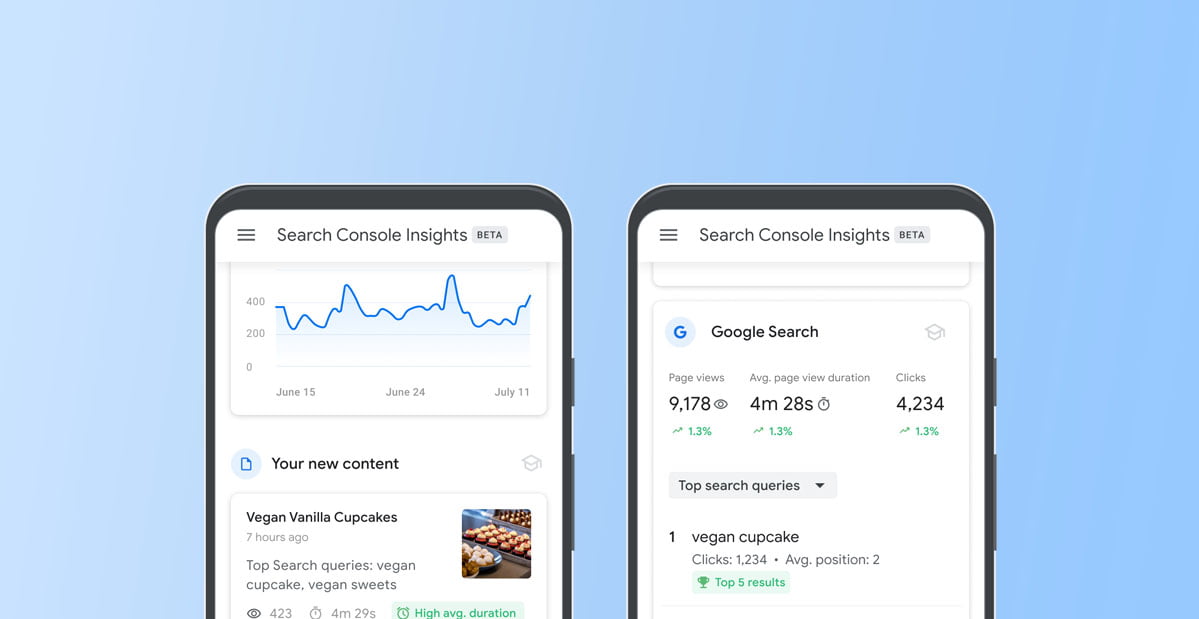
Remember, Search Console Insights is this still in beta phaseexpect features to change and evolve. However, at first glance, I find Search Console Insights (SCI) quite impressive. SCI provides deep insights into your website’s search console data Guidance on what content to focus your attention on.
This release from Google comes at a time when it is already rolling out a core algorithm update that incorporates Core Web Vitals as a ranking signal in search. Does this mean we might see page experience metrics at a later date?
Only time will tell.
What are Search Console Insights?
Search Console Insights is a new analytics tool from Google that gives users a clear and concise way to analyze their top-performing content in Search Console.
This long-needed feature gives content creators the tools to do just that Improve blog content and drive organic traffic based on actionable data provided via Google Analytics and Search Console.
Why use Search Console Insights?
Build a loyal audience relies heavily on a great content strategy and amazing content. This means creating deeply researched, engaging, and stunning blog content that solves your readers’ problems while positioning your business (or personal brand) as an authority in your niche. But what happens to all that content once it’s published?
Search Console Insights gives you that Tools to analyze your website’s datawhich reveals the answer to several key questions;
Questions and answers about Search Console Insights
- What are your most successful blog posts?
- How do your articles perform?
- How do people discover your blog content online?
- What do people search for on Google before visiting your post?
- Where does your referral traffic come from?
It’s not well known that actually only 20% of most blogger content actually generates organic traffic. Shocking, right?
5 Ways to Turn Search Console Insights Data into Results
Search Console Insights data reveals some key data points that can help you move up the SERPs by improving existing ranking signals and content.
1. Build a stronger internal link network
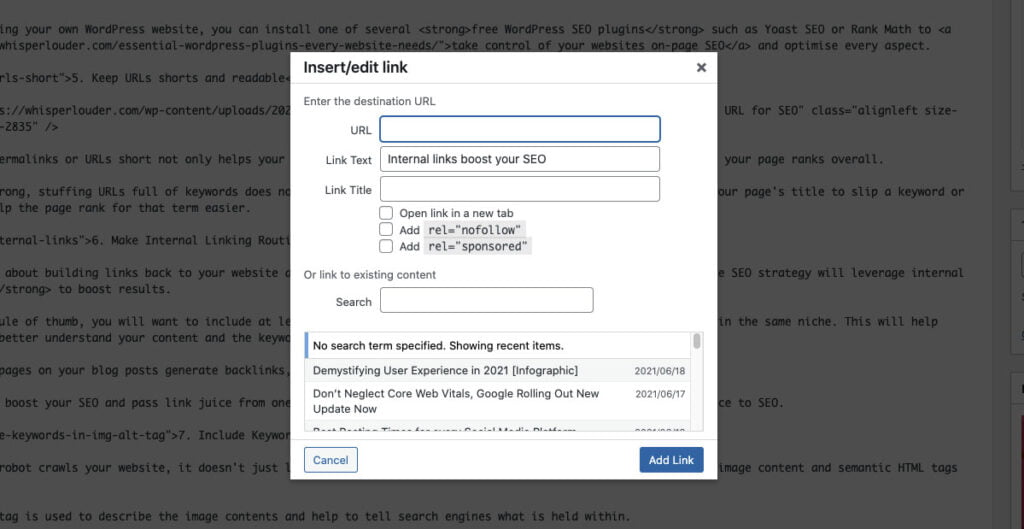
Using Search Console Insights Your most popular content reportYou can find out which pages or blog posts generate the most traffic and build a stronger internal link network on your website.
To use this report, you need to go to the blog content that performs best and add more internal links related to the topic.
By adding additional internal links from your top-performing blog content to your topical money content, you drive organic traffic deeper into your site, increase your site’s engagement, and help Google’s crawlers better understand your article’s topic.
2. Create new content on similar topics
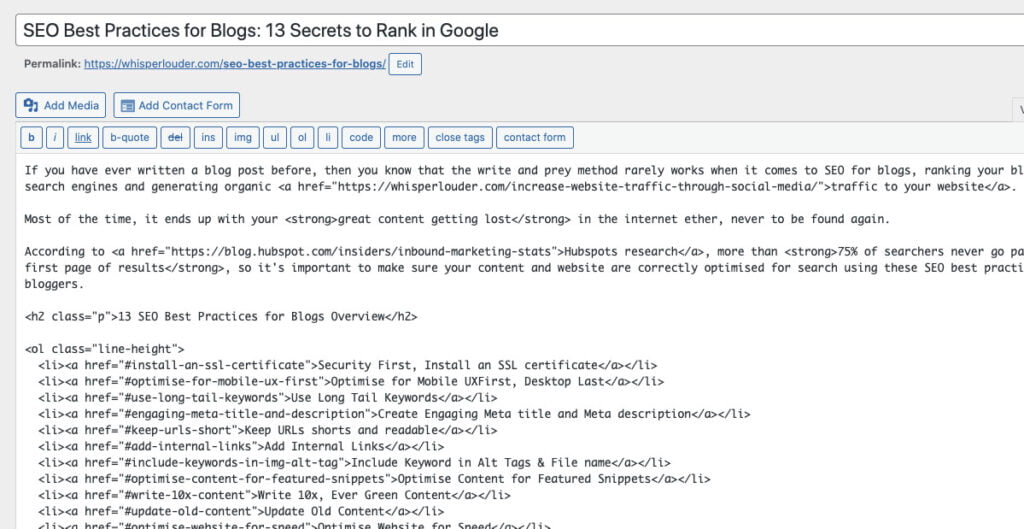
Over time, the reports provided by SCI Data will reveal blog post formats and popular topics among your readers. It’s already known that readers enjoy a variety of blog formats, but a blog niche usually determines which ones are most popular.
By using the Your most popular content report and analysis of the Avg. Duration of page view By analyzing your posts, you can determine exactly which topics and post formats are most interesting to your blog’s readers.
3. Optimize content based on popular keywords
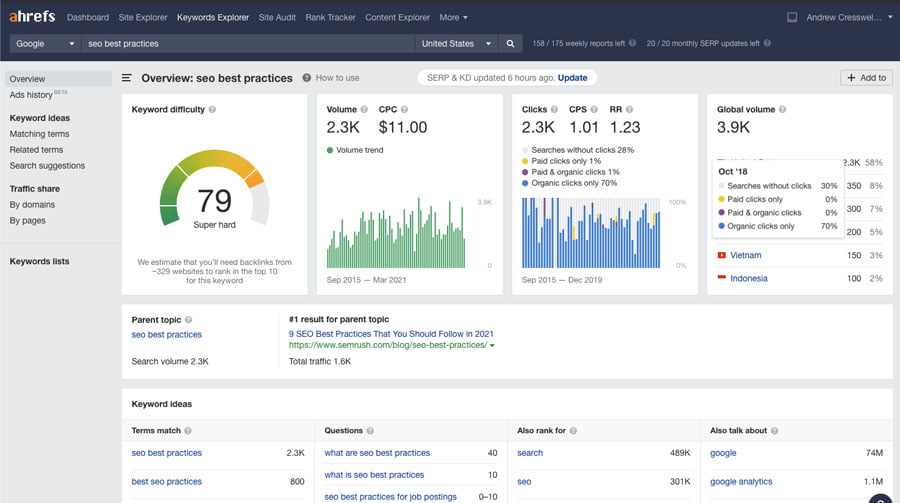
The Google search report The information provided by Search Console Insights gives you a small overview of how visitors find your website and what keywords they use. Since only some of your top keywords are listed, you’ll need to go to Google Analytics and read the report at Acquisition > Search Console > Queries
Once you have checked and noted the Google search report Your most searched queries and yours Trending searchesGo to these pages and try to further optimize your on-page SEO by adding more images and content to support these keywords and user search intent.
4. Connect with referring websites

There is an old saying; It’s not what you know, it’s who you know And unfortunately for introverts (myself included), the same goes for SEO. Networking is a big part of SEO and should not be neglected.
It’s easy to create a list of websites that accept blog posts, reach out to editors, and secure a free backlink. That’s easy! The hard part is taking this opportunity and turning it into a lasting friendship that is beneficial to both of you.
With the Report referring links from other websitesyou can identify backlinks that are already generating referral traffic. Once you’ve identified key influencers, try reaching out to them, thanking them for the feature, and finding out if there’s a way to return the favor.
5. Identify the top-performing social media channels

Not every social media platform is the same. What works for one company may not work for you. Social media marketing depends heavily on your business, its niche and the content provided. You wouldn’t be trying to target Instagram if you sold electric scooters to grandmas.
To identify the top-performing social media channels sending traffic to your website, take a look Social media report It lists important statistics, e.g. B. the platform that sends you the most traffic and the platform that generates the most engagement via time spent on page before leaving.
6. Identify new content with low engagement
We already have that Most Popular Content Report combined with Key figures for average page view time to determine which pages we believe are performing above average. However, if we analyze the same metrics, we can identify some of your worst-performing content.
The key to identifying poorly performing content is to look for pages or posts with a high number of views but a low average page view duration, which would be a clear indicator of poor performing content.
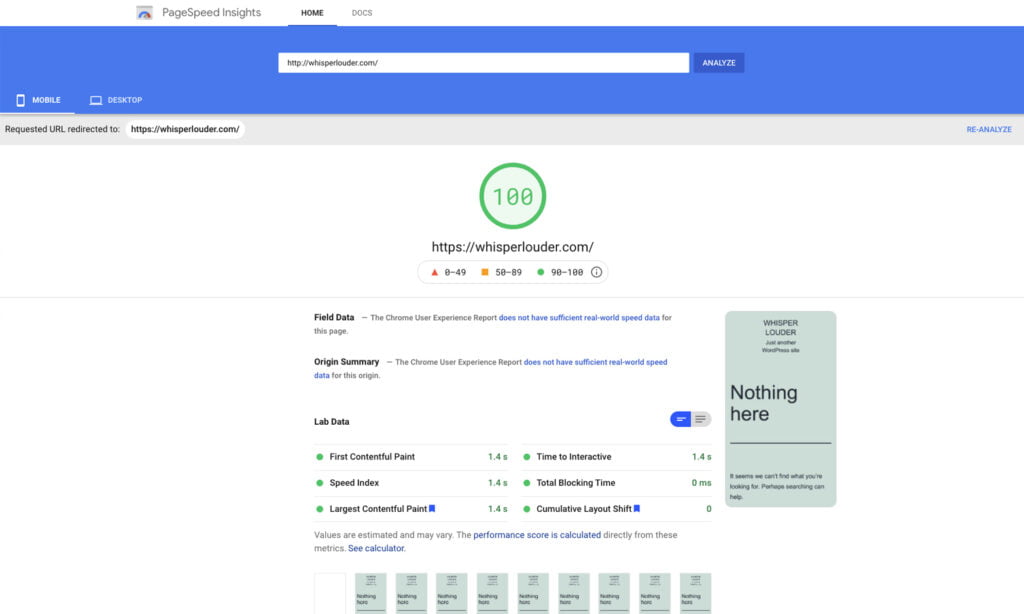
Optimizing this content can be difficult, but a good place to start would be to test your Core Web Vitals and make sure your site doesn’t have any speed or user experience issues. If these tests pass, I would recommend looking at your site’s interface and perhaps on-page SEO factors to ensure you are providing the right content for the searcher’s intent.

